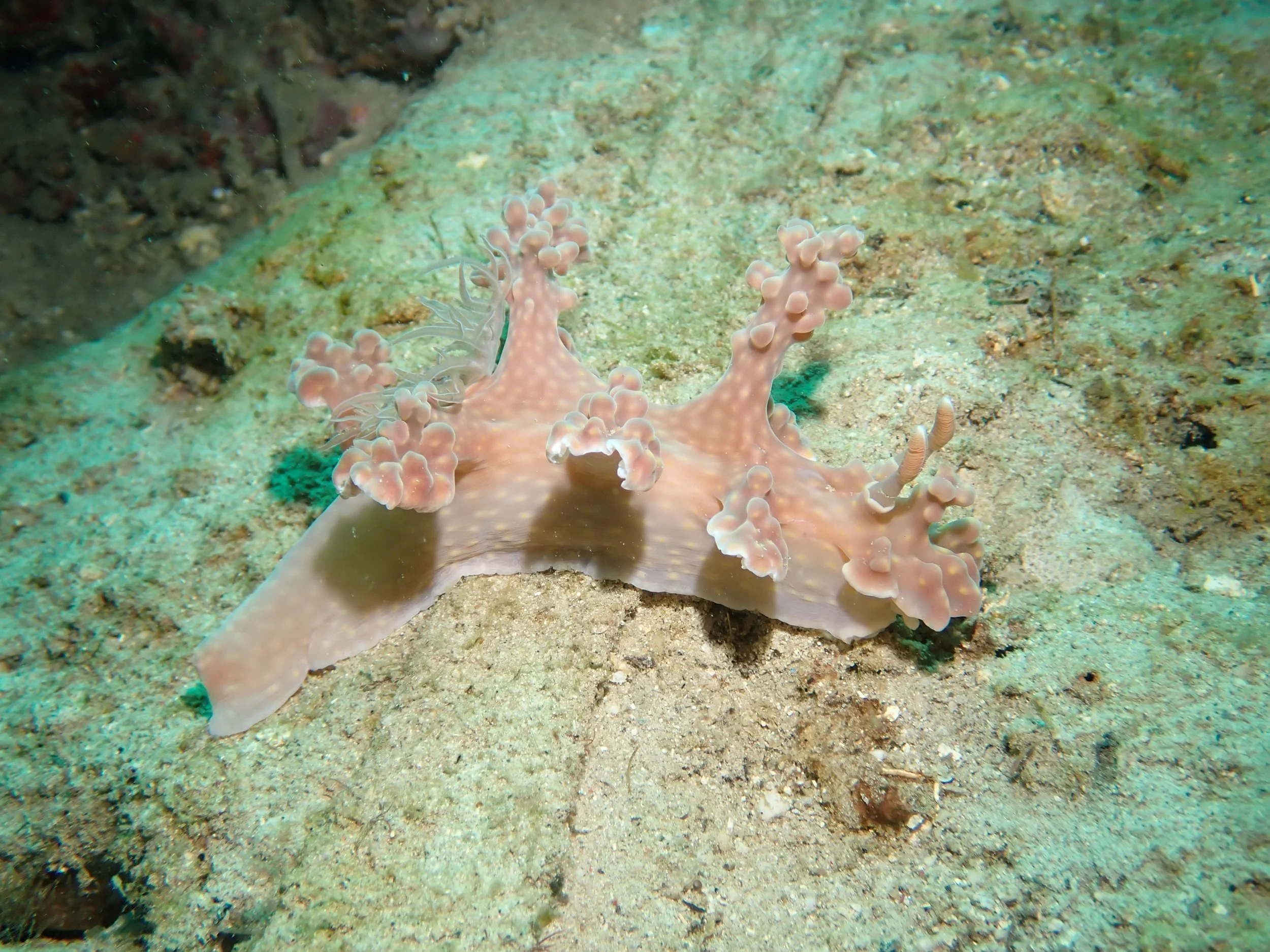
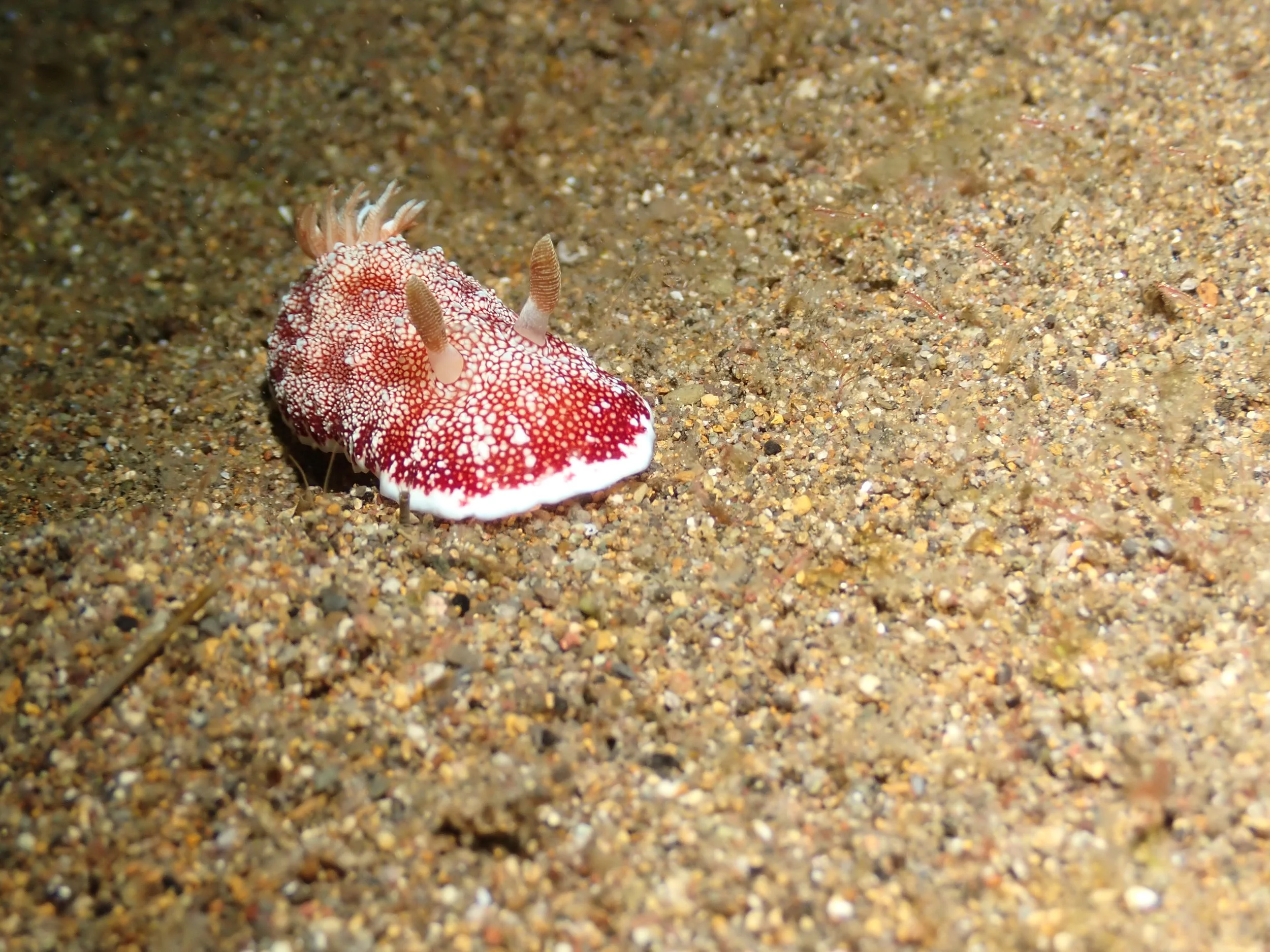
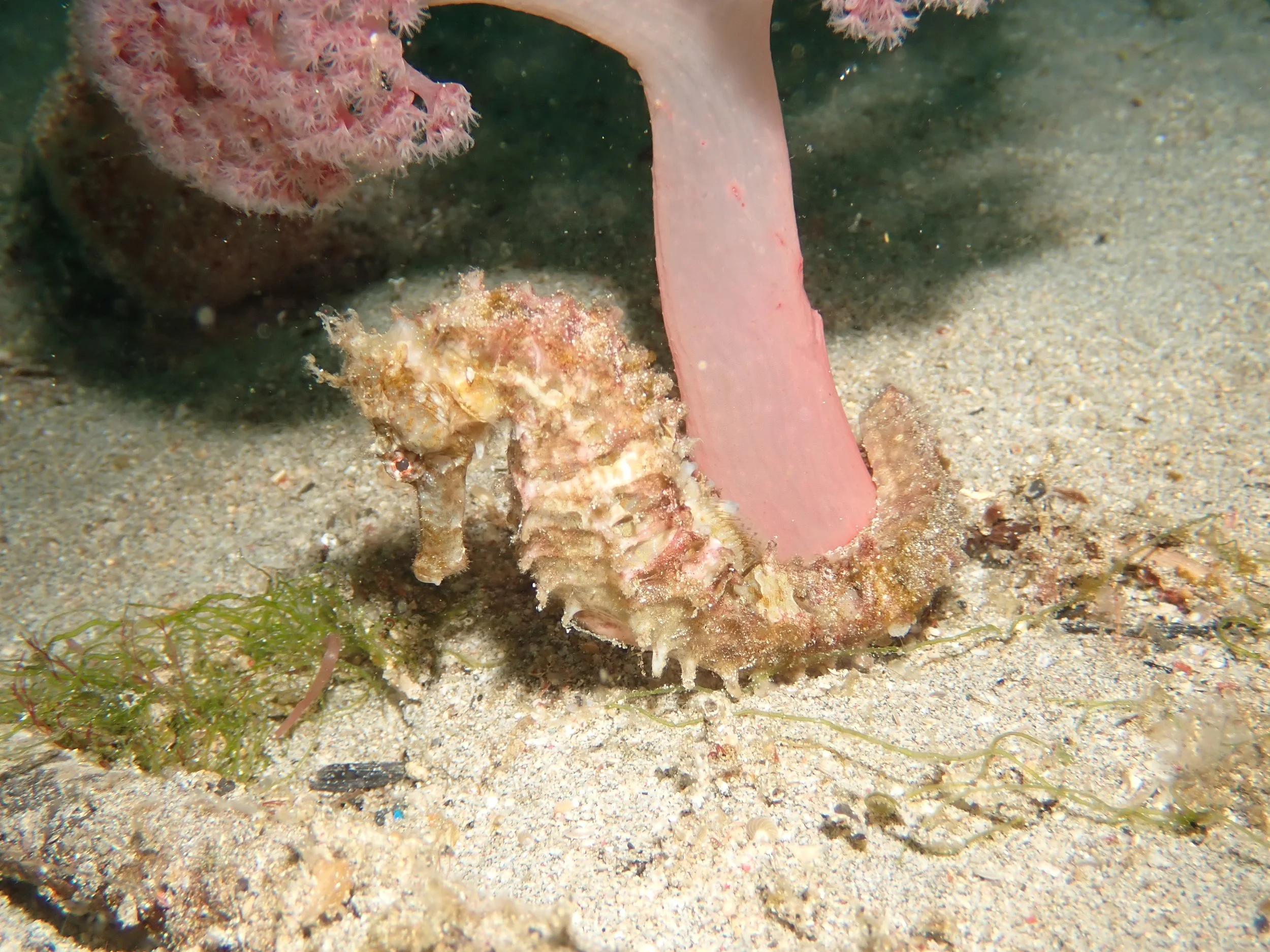
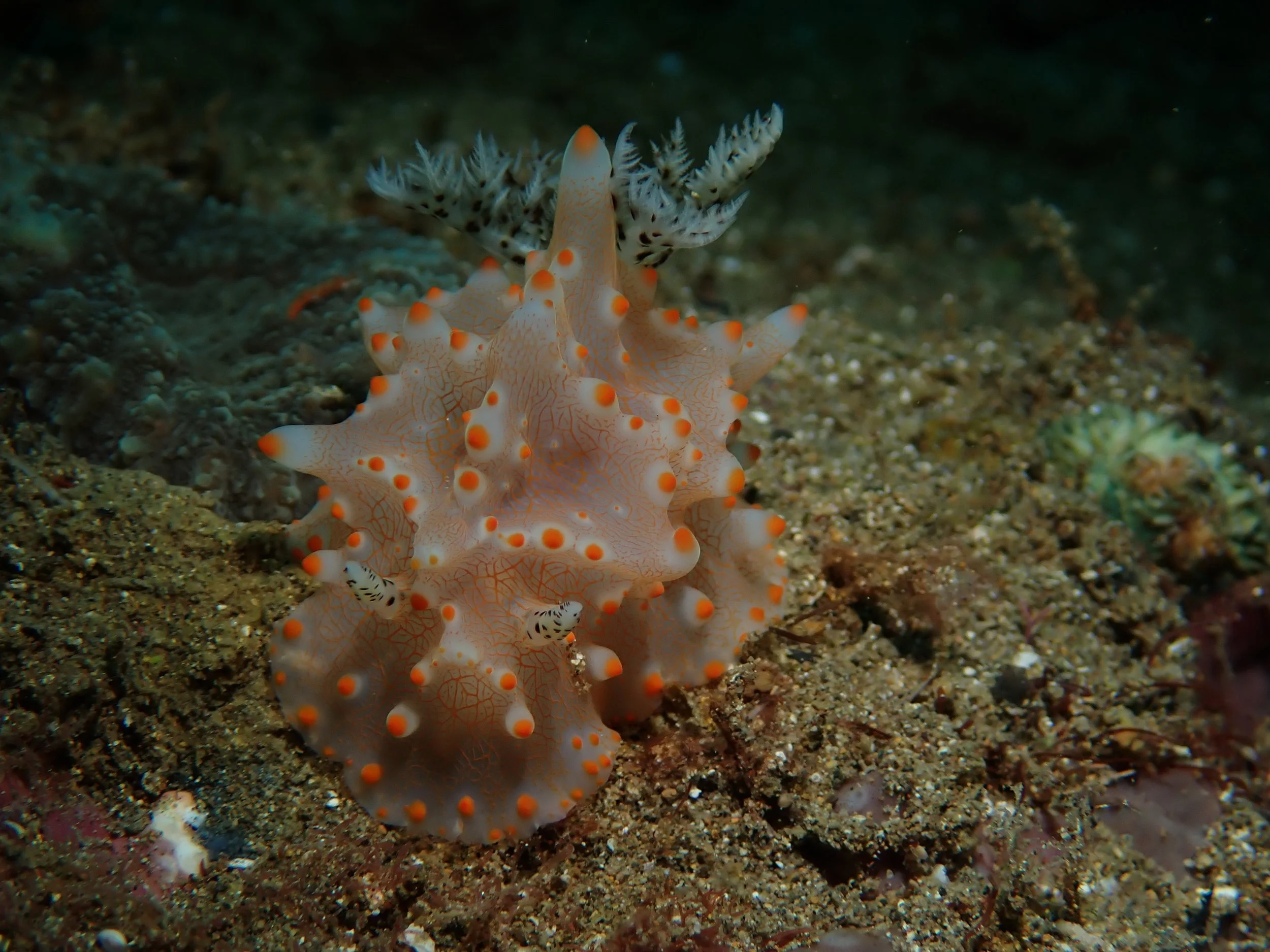
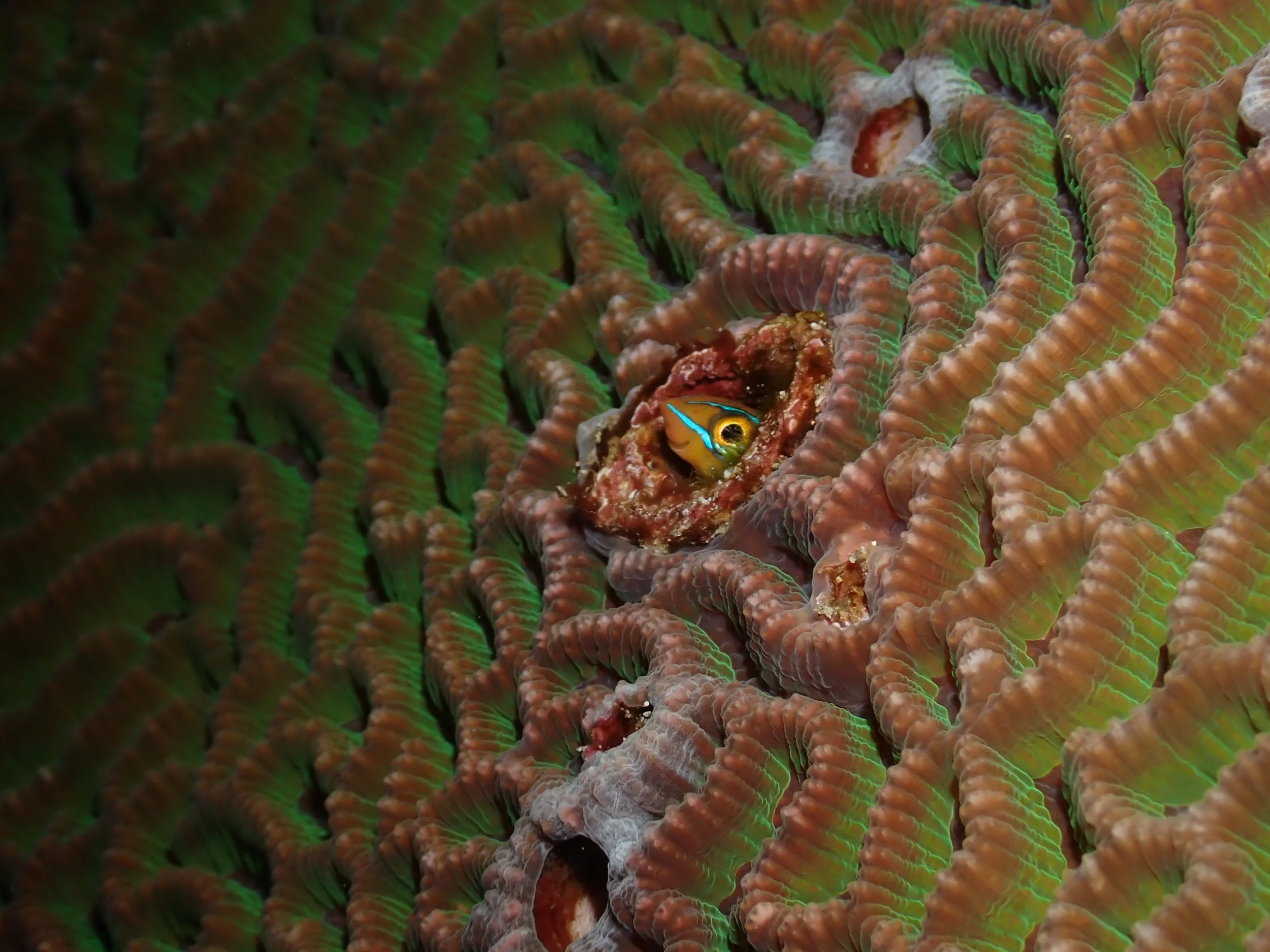
Dumaguete, Negros Oriental

I keep forgetting to tell you how courteous the Filipinos are. They consistently greet you and introduce themselves (even the tricycle/cab drivers). The cutest phrase I remember is “ma’am-sir” said all together as one word. Yes ma’amsir. Thank you ma’amsir. :)

We don’t normally talk about our accommodations on these trips (other than the extreme low-end like in Nepal), but our last resort of the trip, south of Dumaguete at Dauin, was just amazing. The diving was as spectacular as the views from the pool -
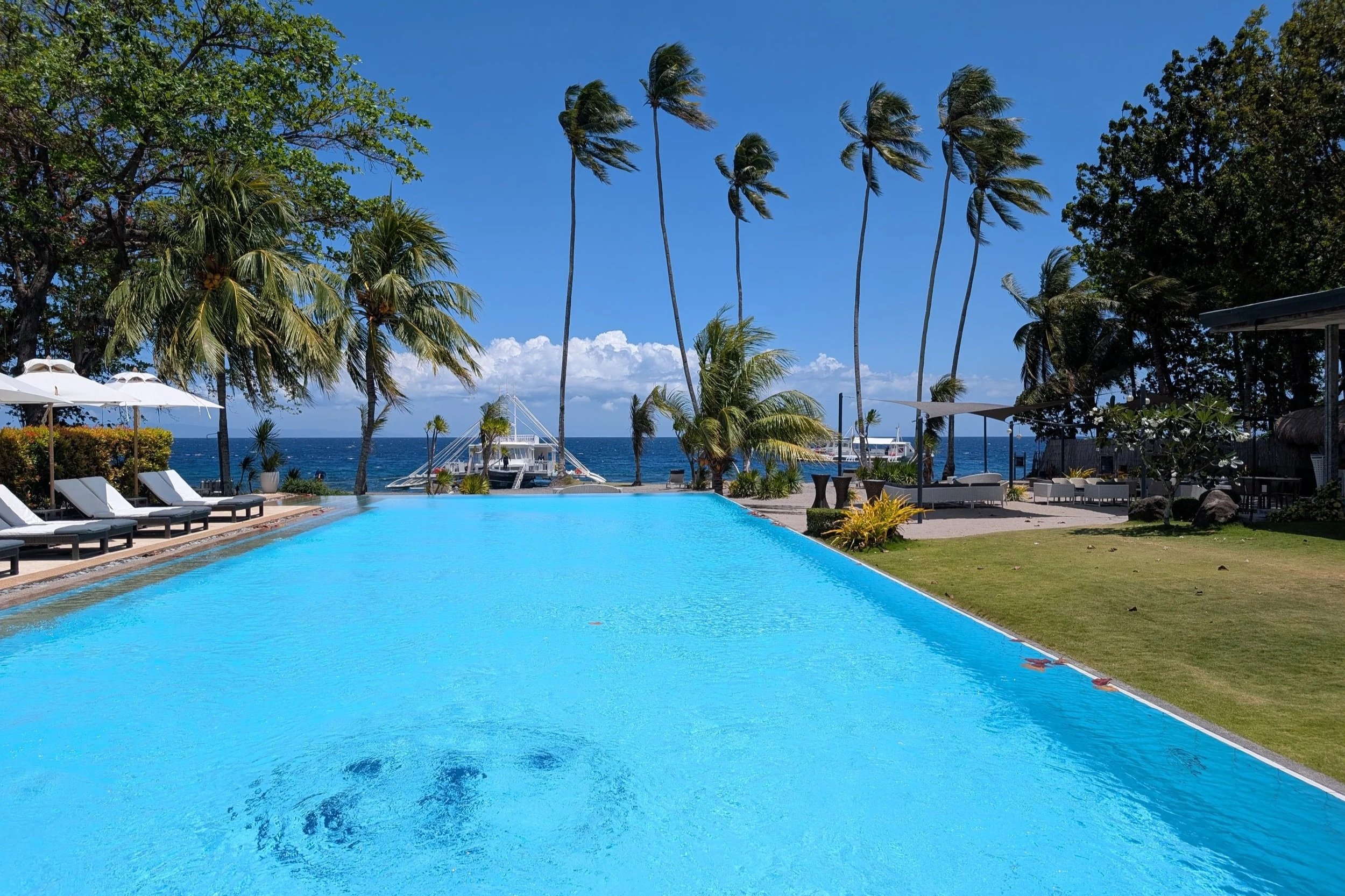
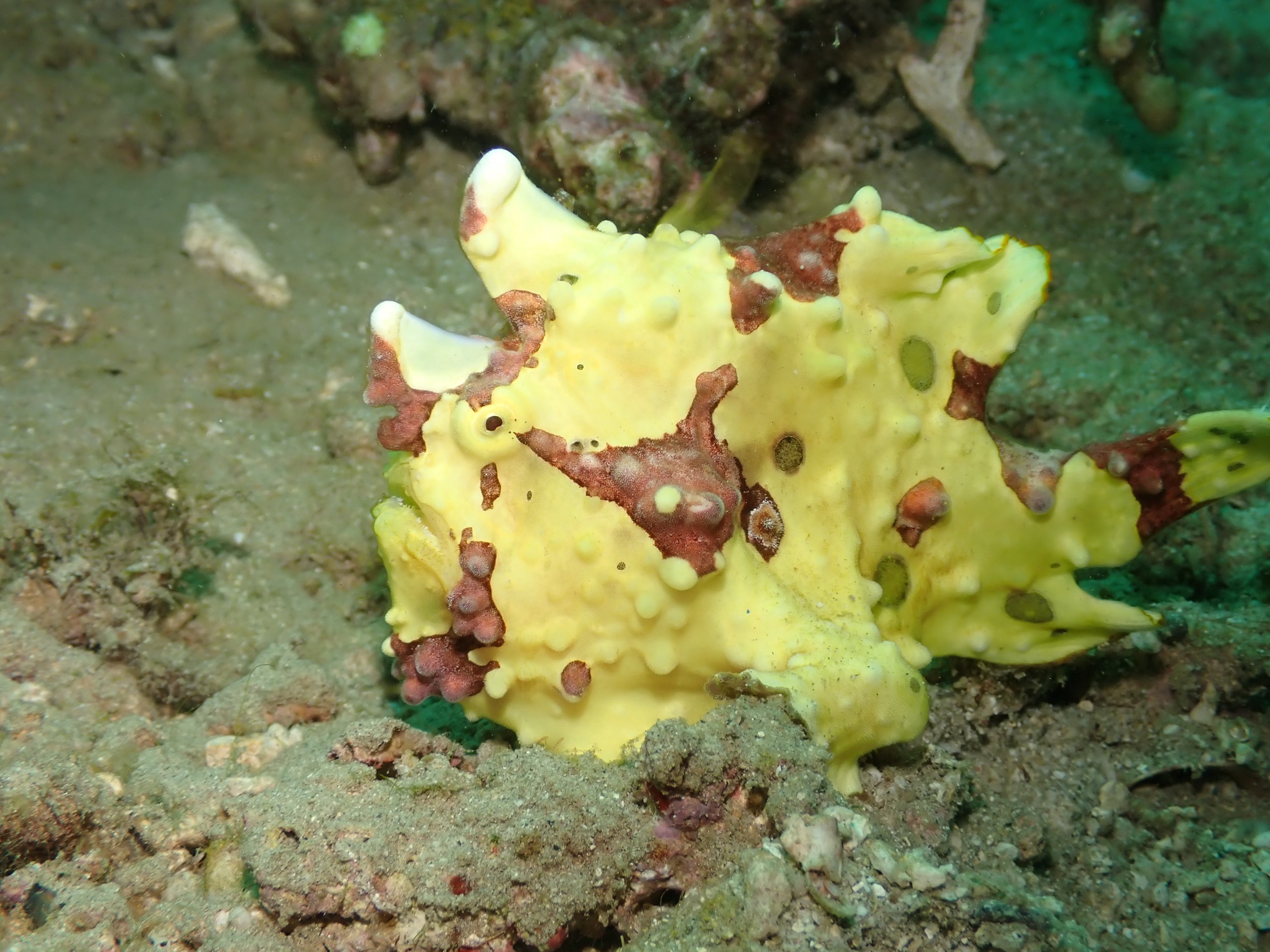
The dive boats left from the rocky beach, where you see the large outrigger in the photo above. We did 2 morning dives each of the 10 days of our stay, and even though we totaled over 50 dives for the entire trip, we still saw new critters or fish on every dive! I had shown you a frogfish on a previous post, but it was amazing how abundant they were here…
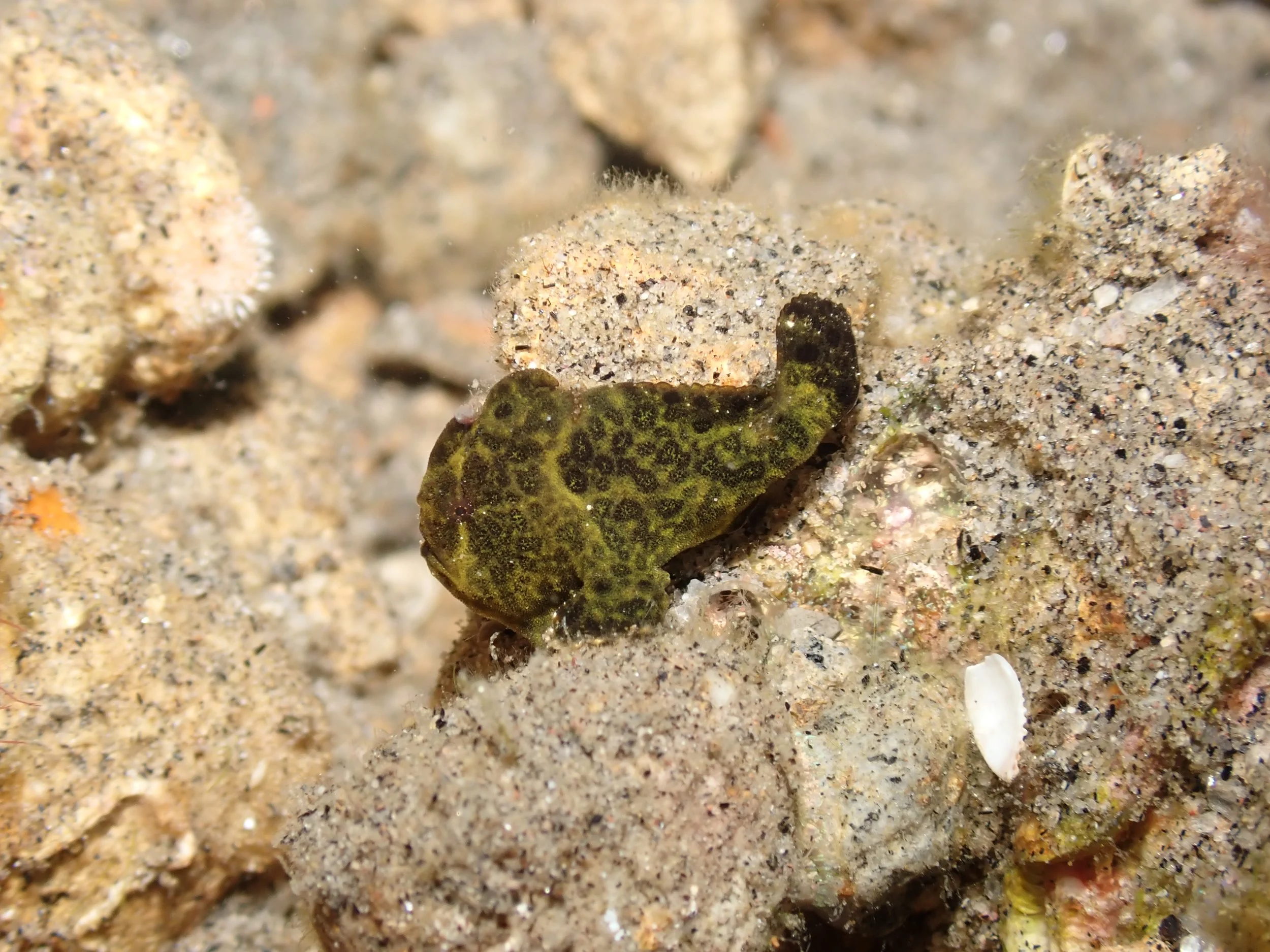
… and in an amazing array of sizes…
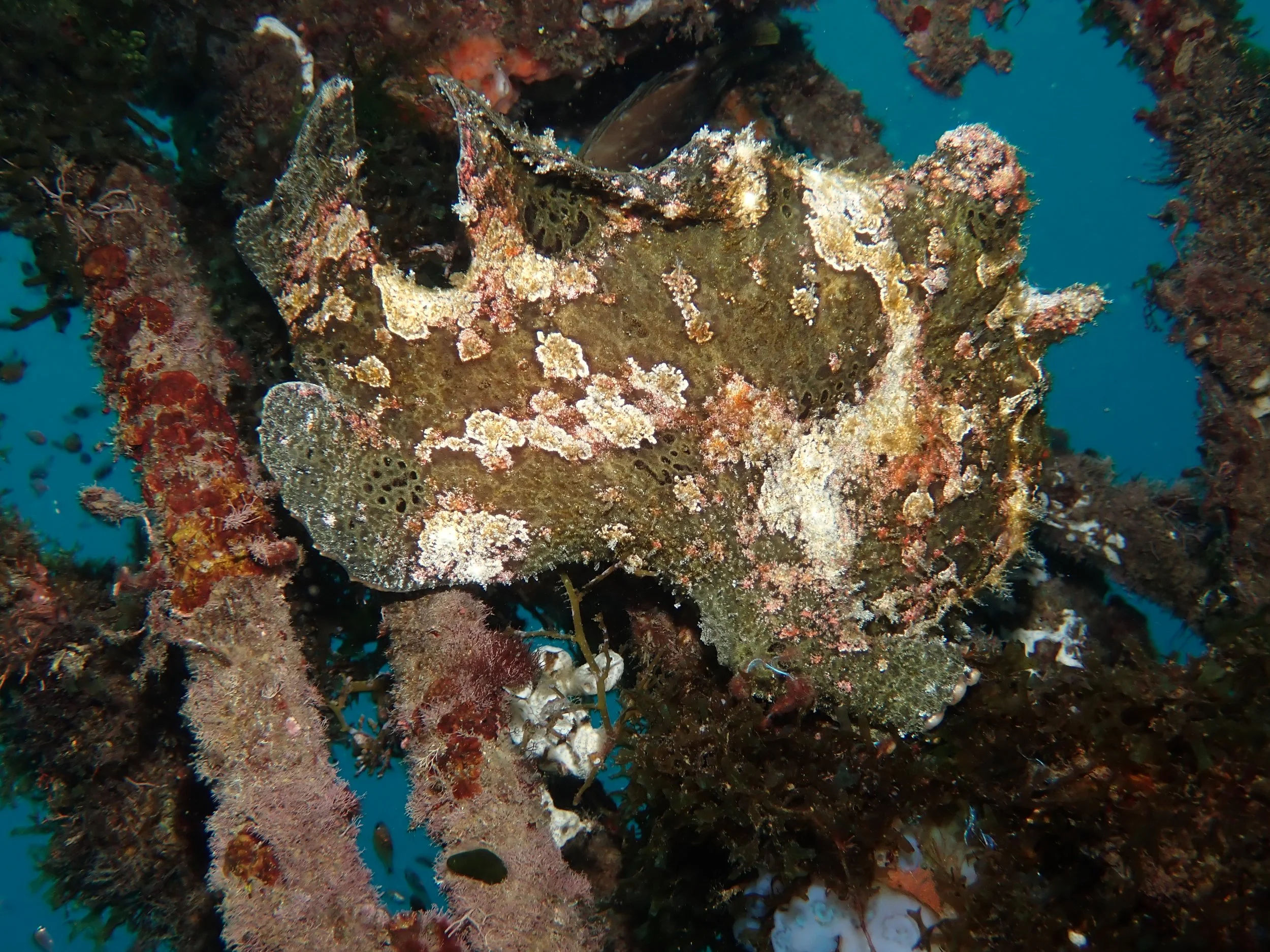
a Giant Frogfish (hopefully you can see beyond his camouflage to note its outline)
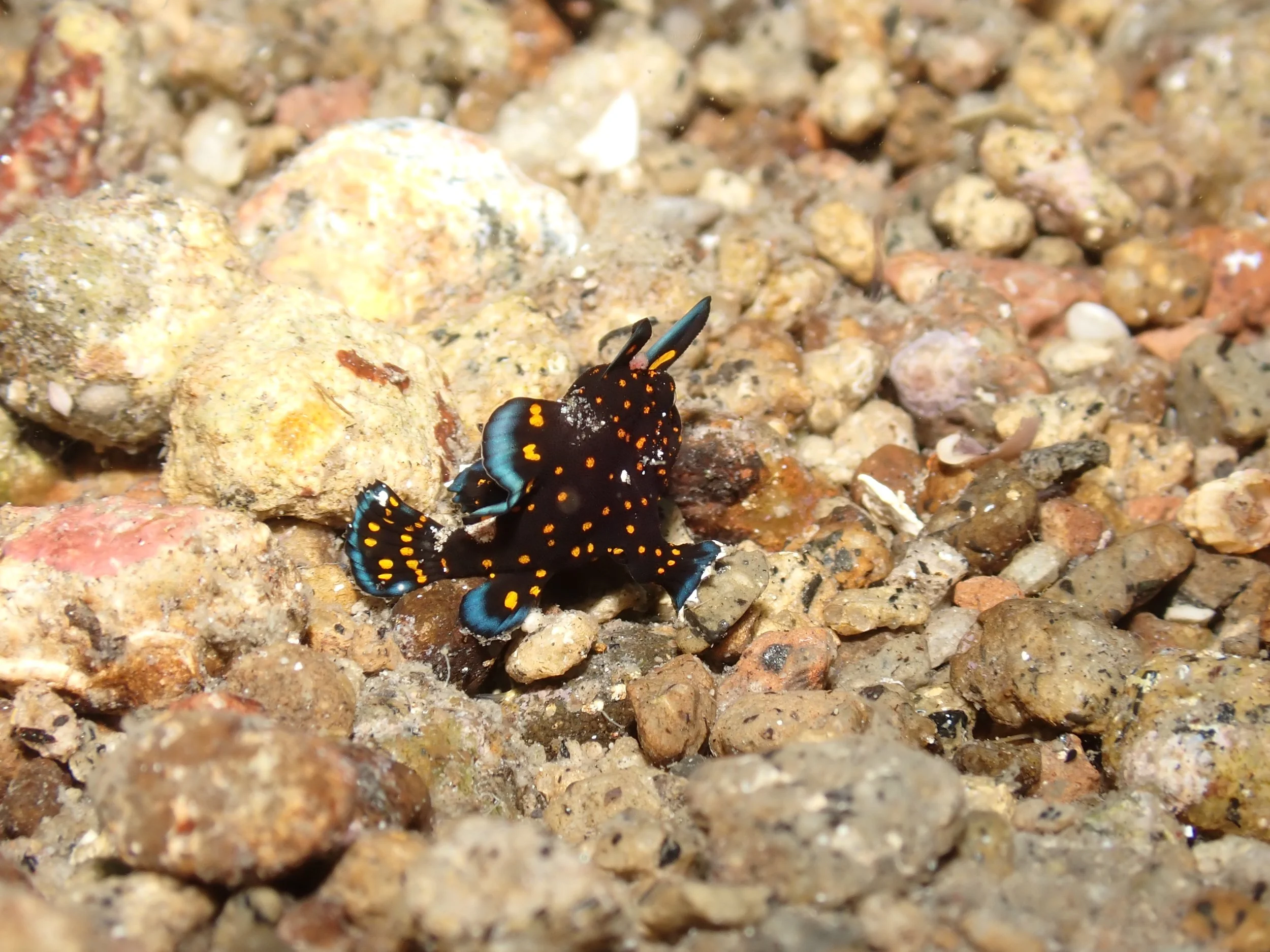
.. and colors -
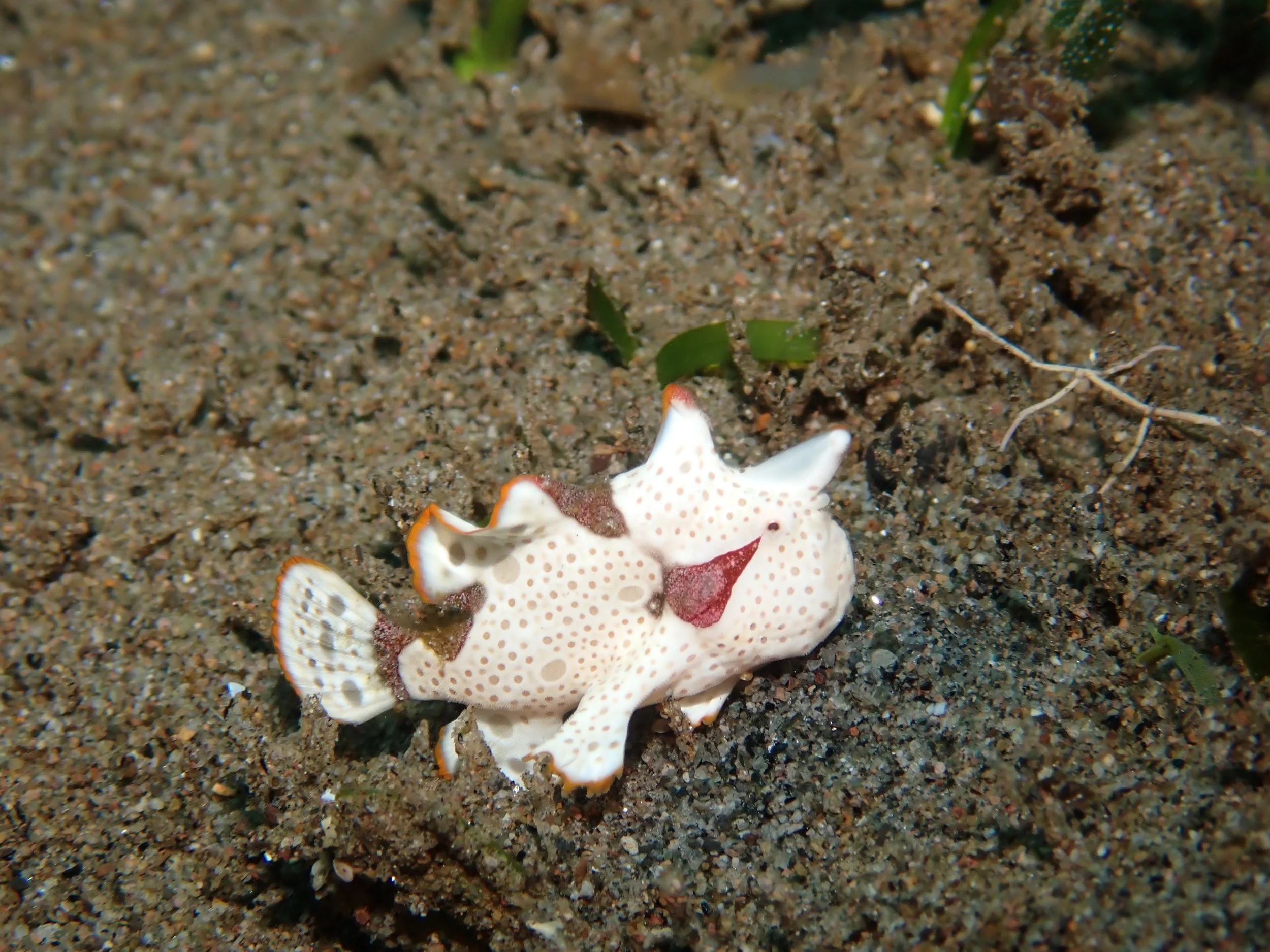
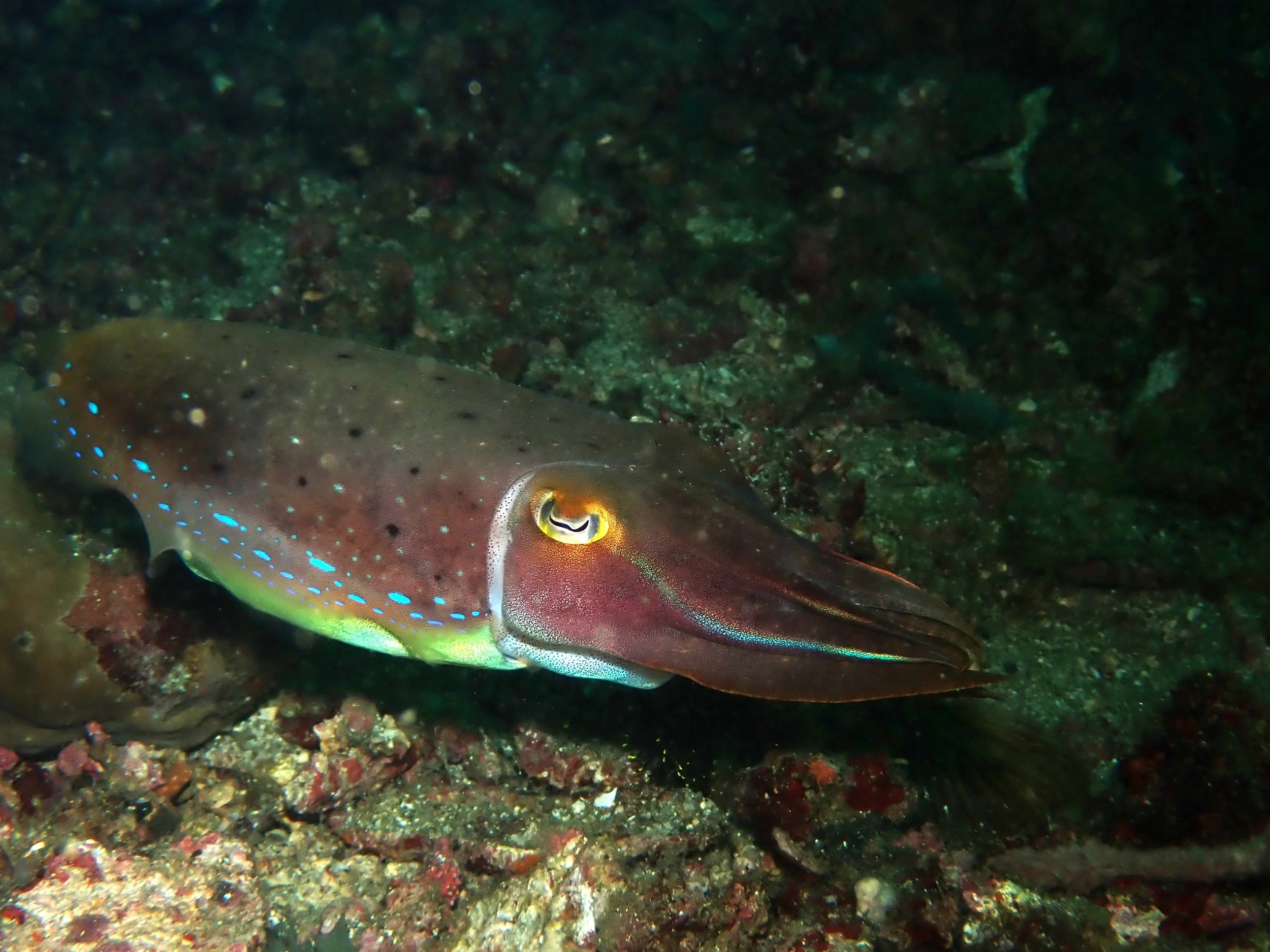
Those last two were both juvenile Painted Frogfish and were in the range of 1-2”, while the giant one was dinner plate size. We also were treated to many cuttlefish…
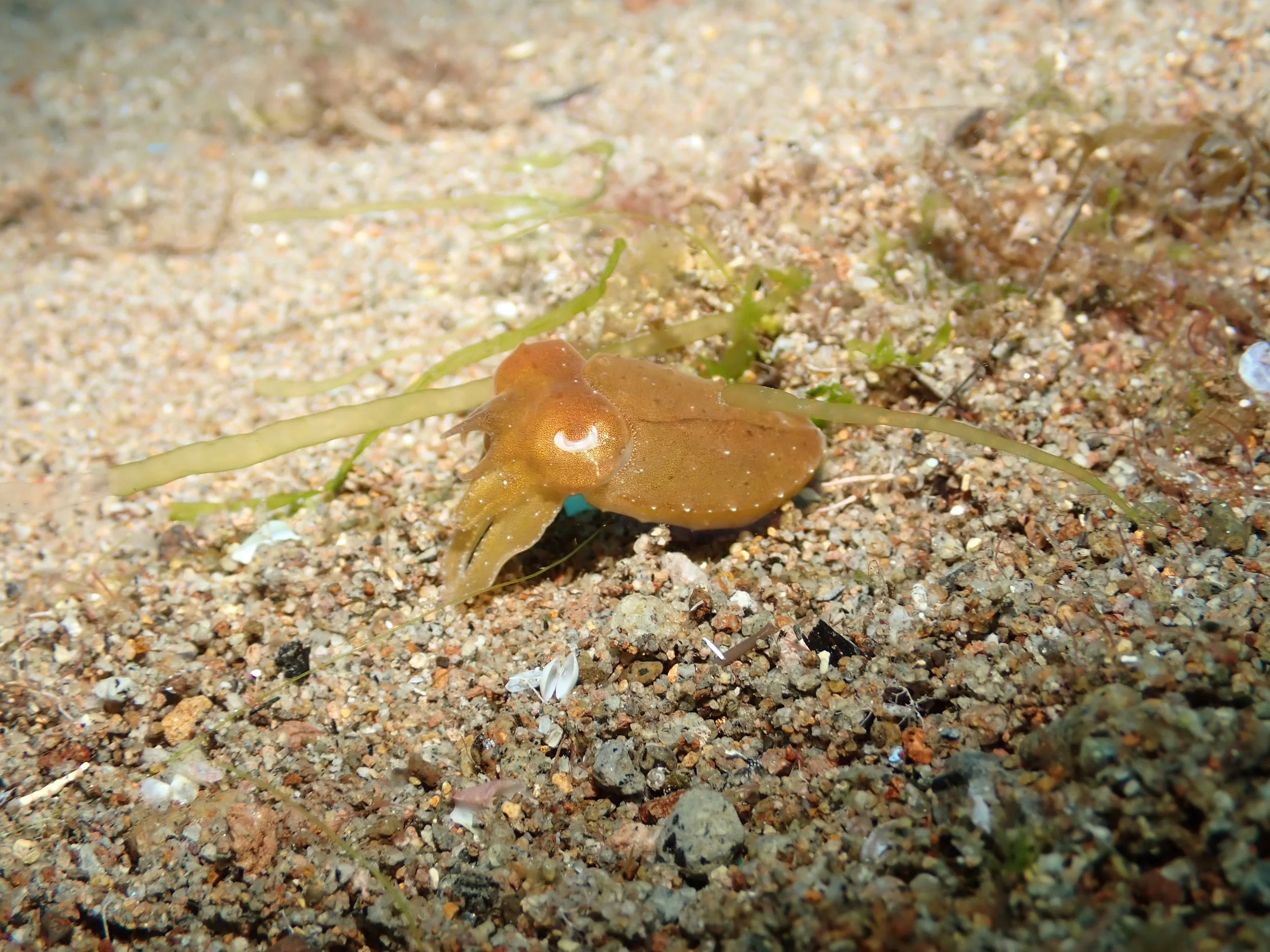
The one above is a baby Broadclub Cuttlefish, measuring only about 1 inch. Next is a video (the usual reminder here to open this post in your browser by clicking the link at the bottom of the email) of a slightly bigger one showing how they move, as well as communicate with changing colors on their skin -

Did you see the dark bands passing repeatedly down its “forehead”? (Those were not shadows from the water surface above.) My absolute favorite of this family were the Flamboyant Cuttlefish…
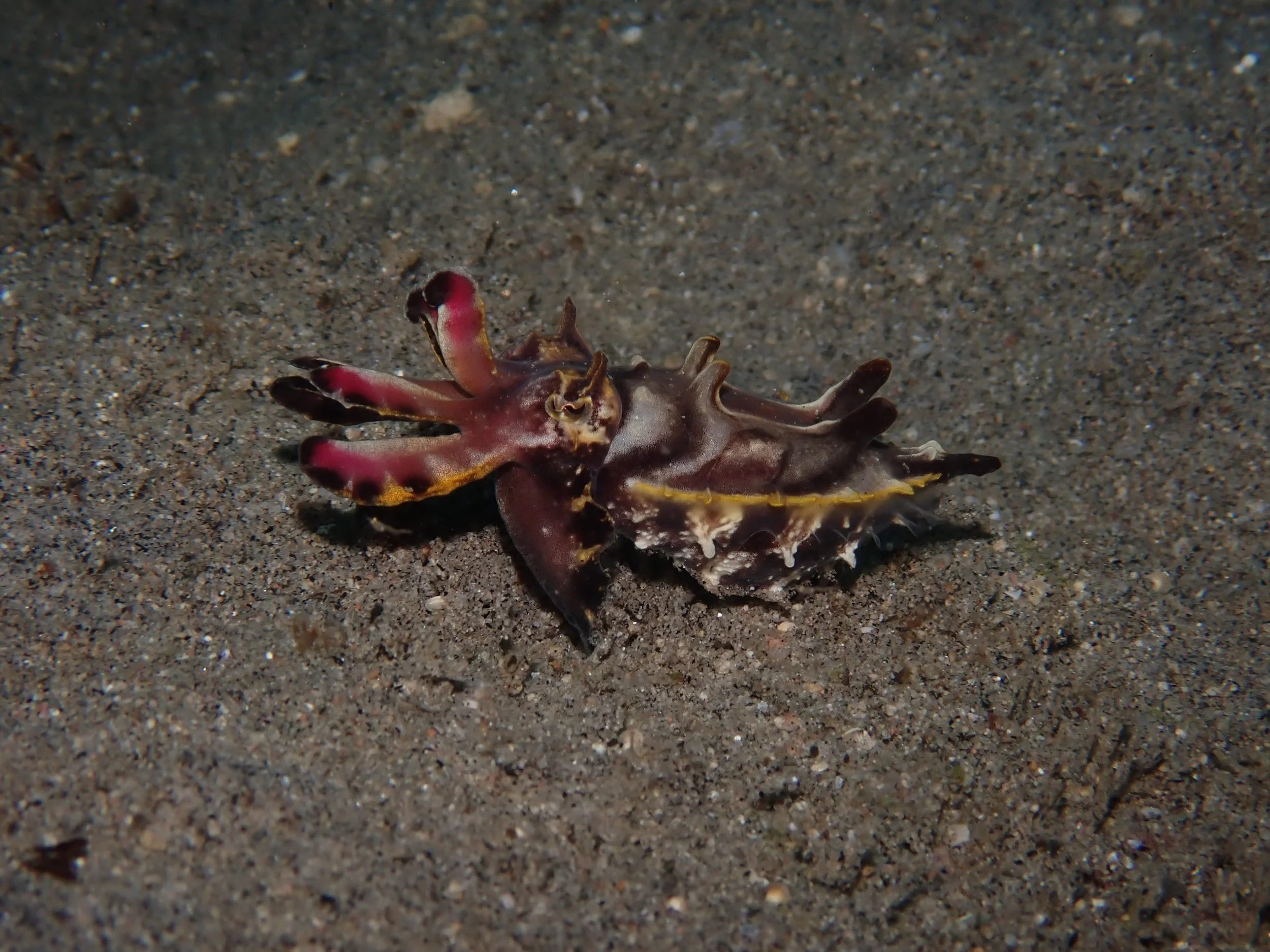
… and they look even better in action -

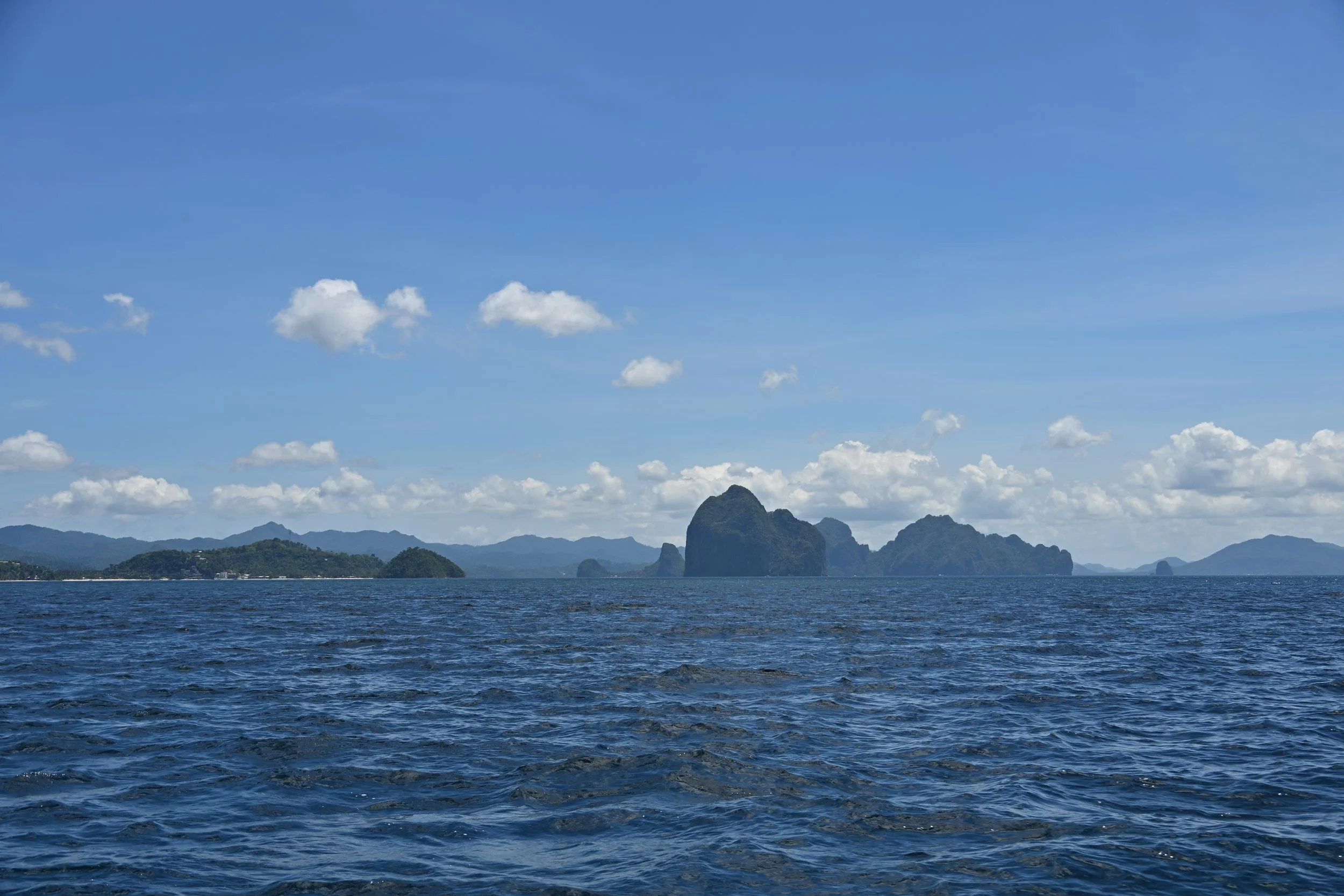
It was so nice to be at a land-based dive operation, with numerous dive site only a few minutes boat ride away. This let me show you the beautiful island of Negros -
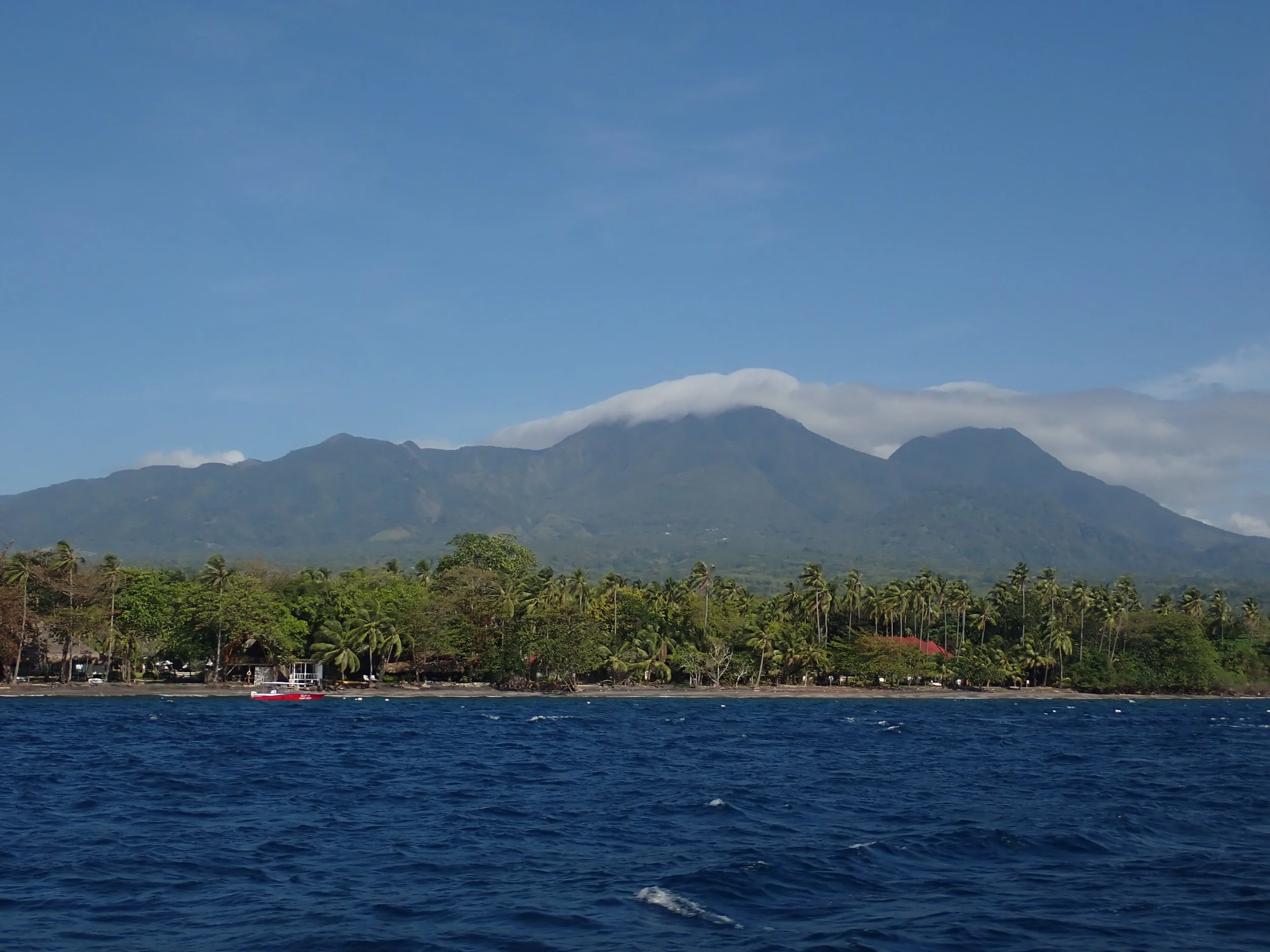
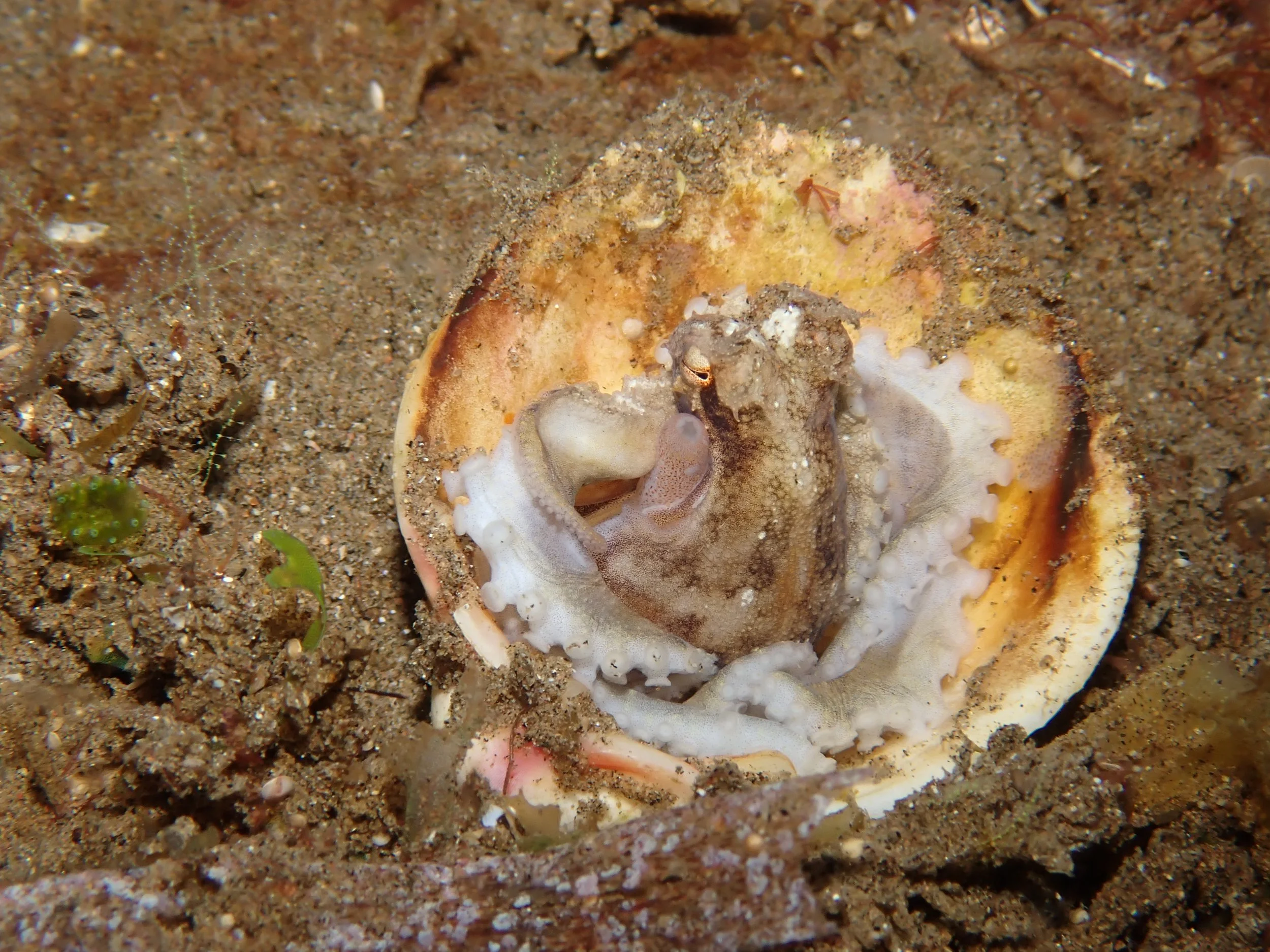
Ok, that was the brief intermission from the wonderful and wacky underwater life that kept me mesmerized. We saw several types of octopuses, including this darling Coconut Octopus “hiding” in a scallop shell -
Our trophies in this category were seeing the wonderful Wunderpus…
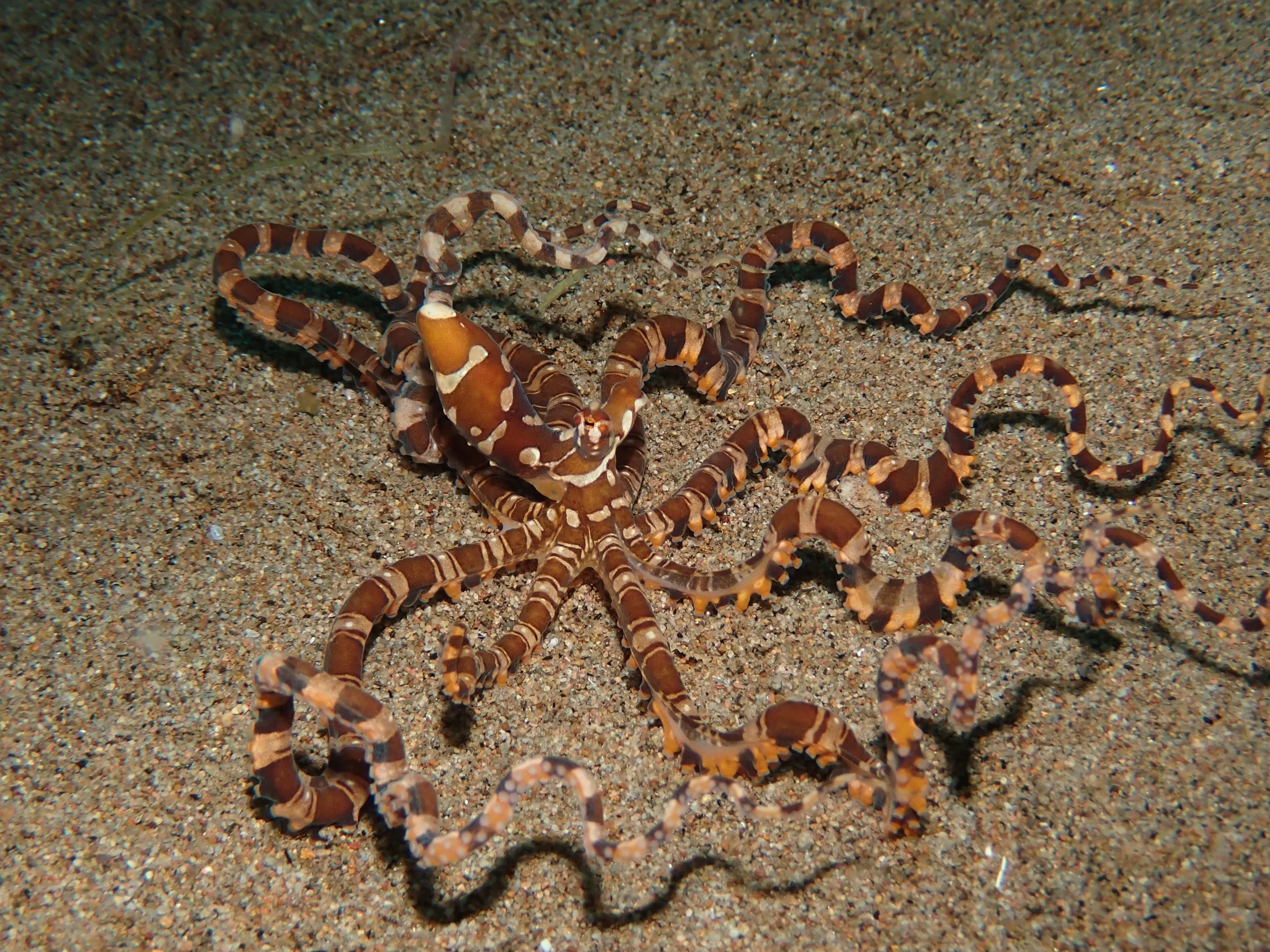
… which was even more wonderous as it moved along (be sure and check out the freaky shifting colors on the eyes) -

… and the equally magnificent Mimic Octopus…
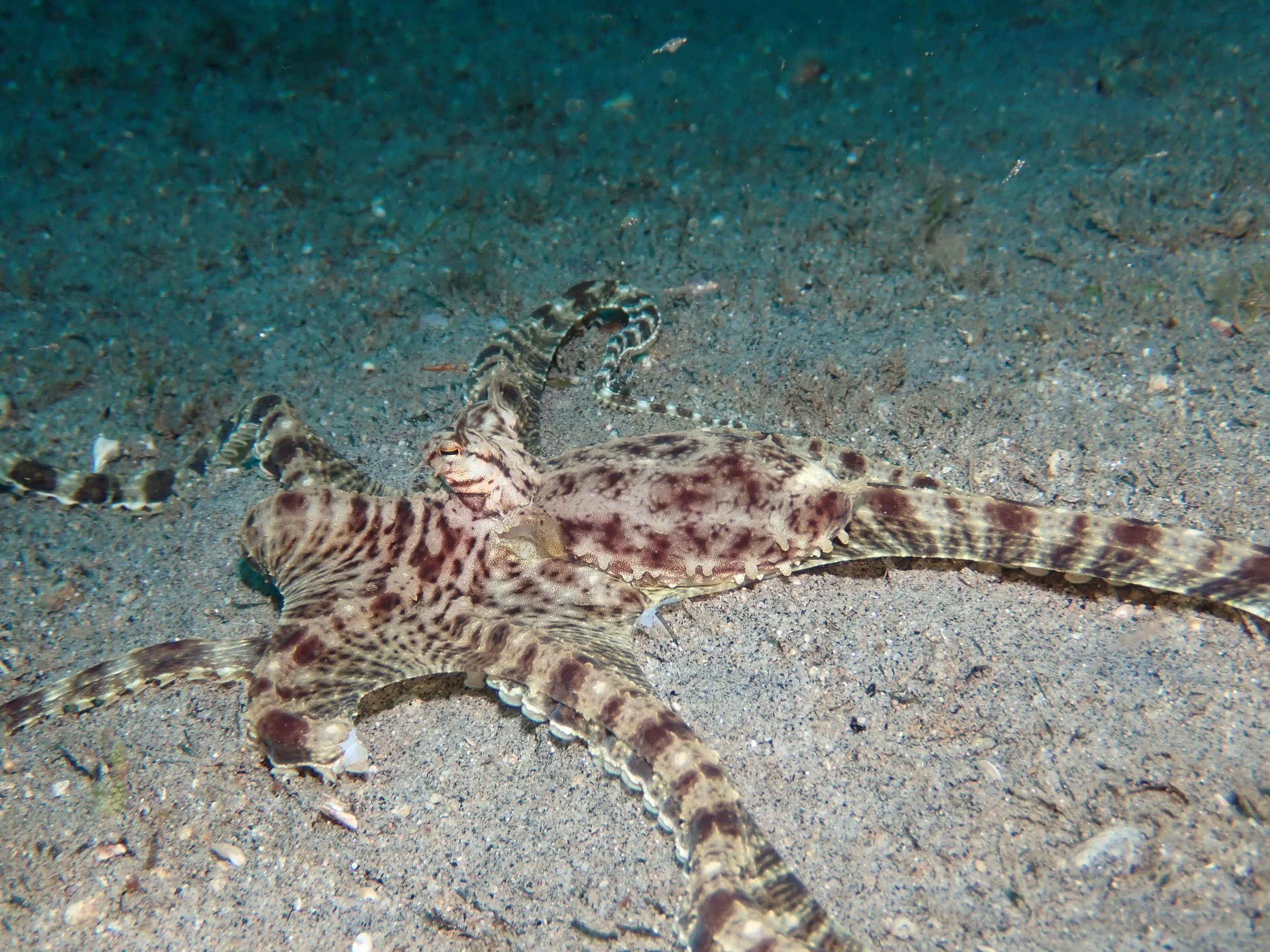
… which was way cooler on video -

Those sharp-eyed among you may have noticed it had lost part of an arm.

Back to cuttlefish briefly - our guide showed us several coconut shells with Flamboyant Cuttlefish eggs (these were just about to hatch)…
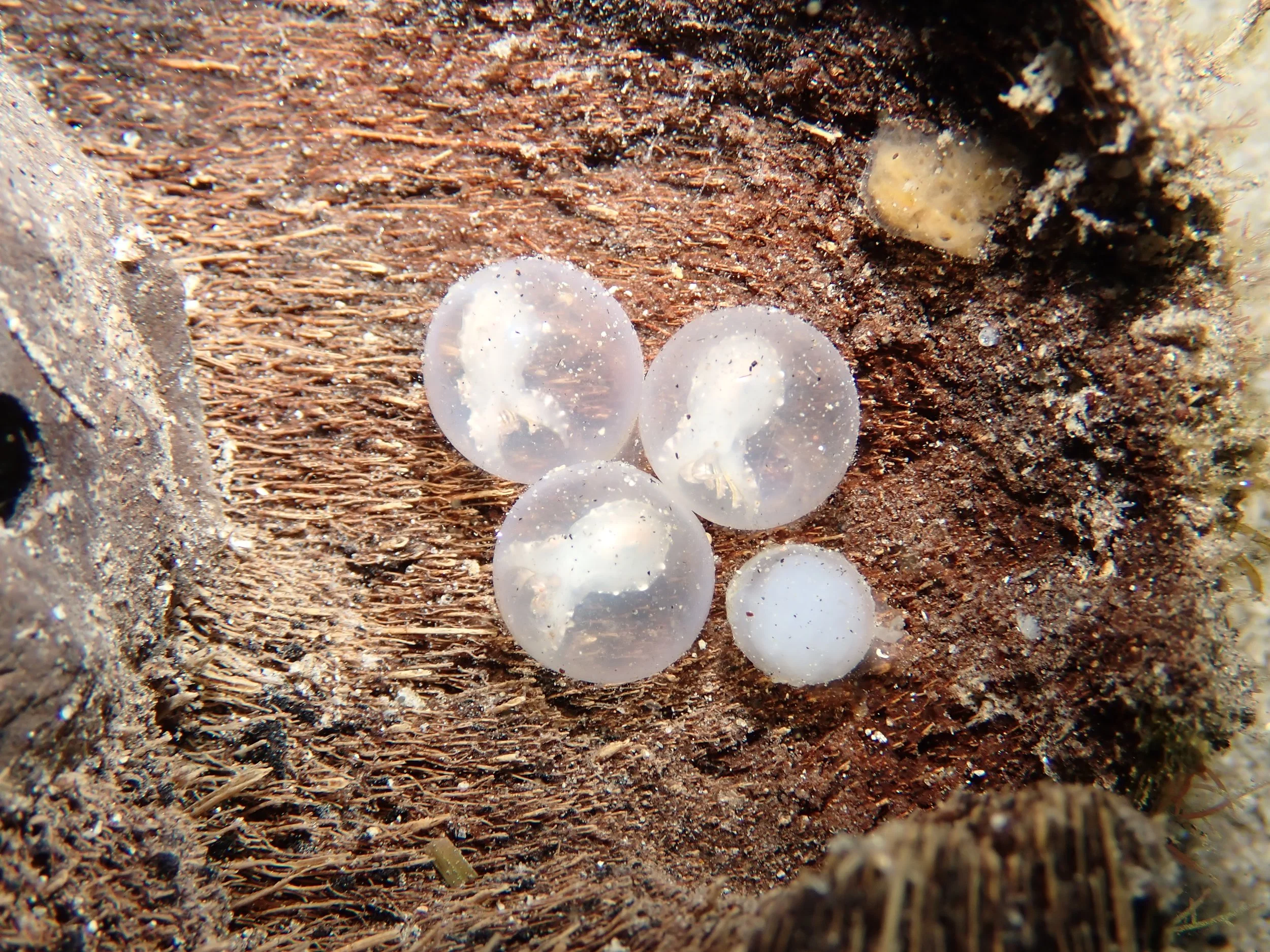
… along with a newly hatched one (the pointer stick has a diameter of ~ 1/4”) -

A very cute juvenile fish is the Yellow Boxfish. We always referred to them as “bumblebees” given their coloration, size, and mode of locomotion. This one is about an inch -

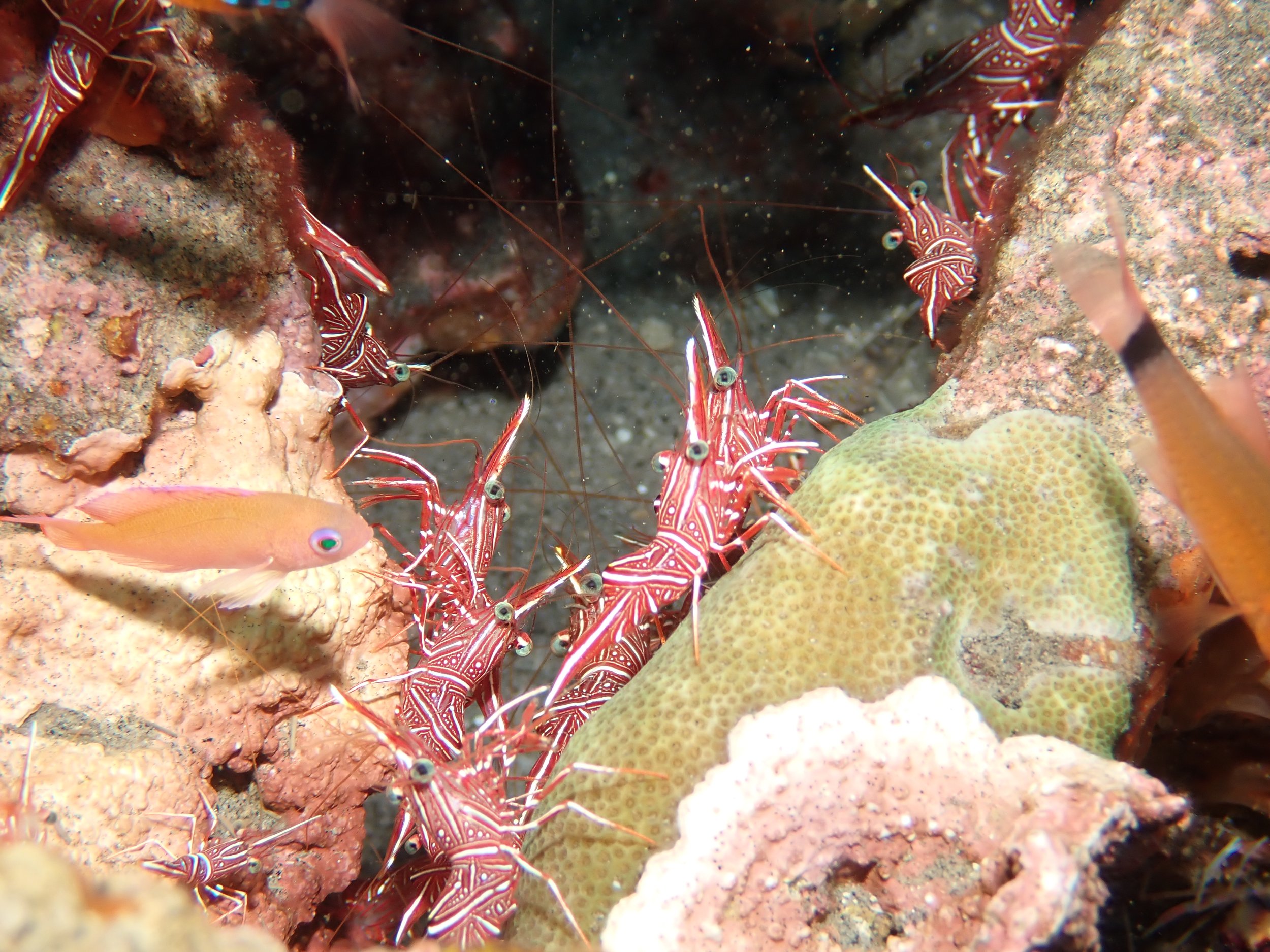
Another new species for us was the Hinge-beak Shrimp…
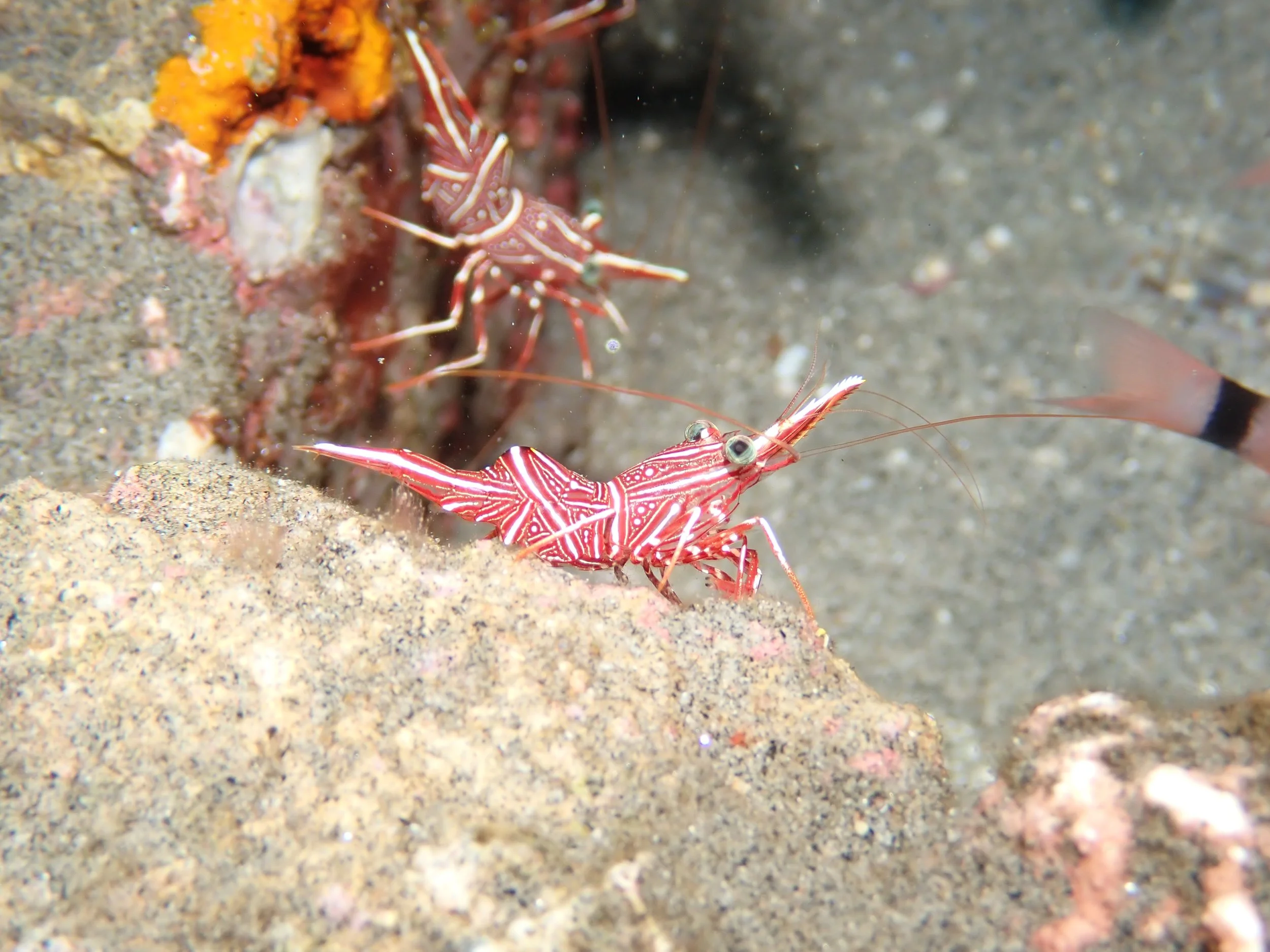
… which gave me the creeps and had me thinking of cockroaches when there were a bunch of them -
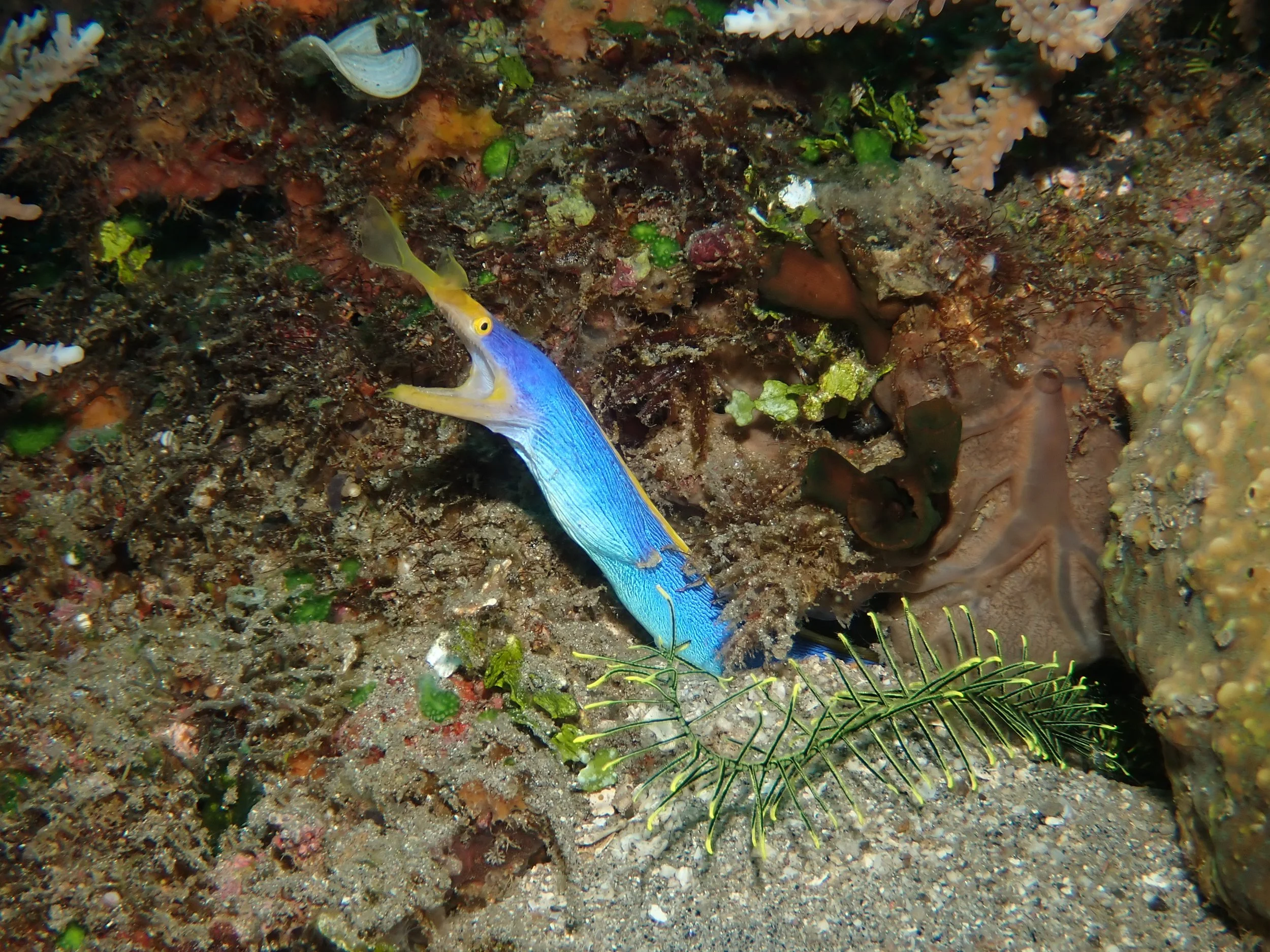
I’d be remiss if I didn’t share some of the most colorful denizens we encountered, including this Ribbon Eel…
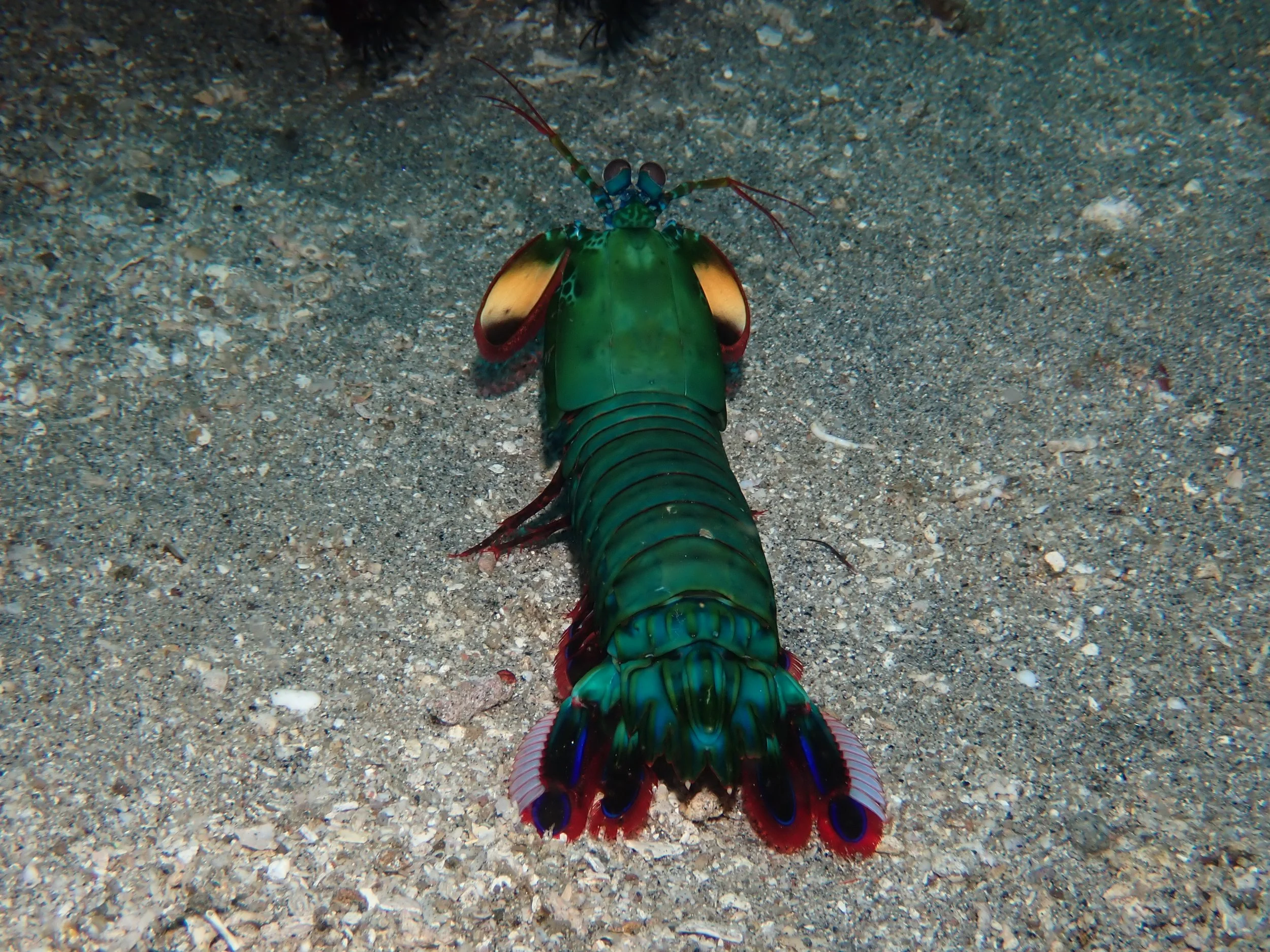
… and the Peacock Mantis Shrimp (which is the size of a small lobster) -
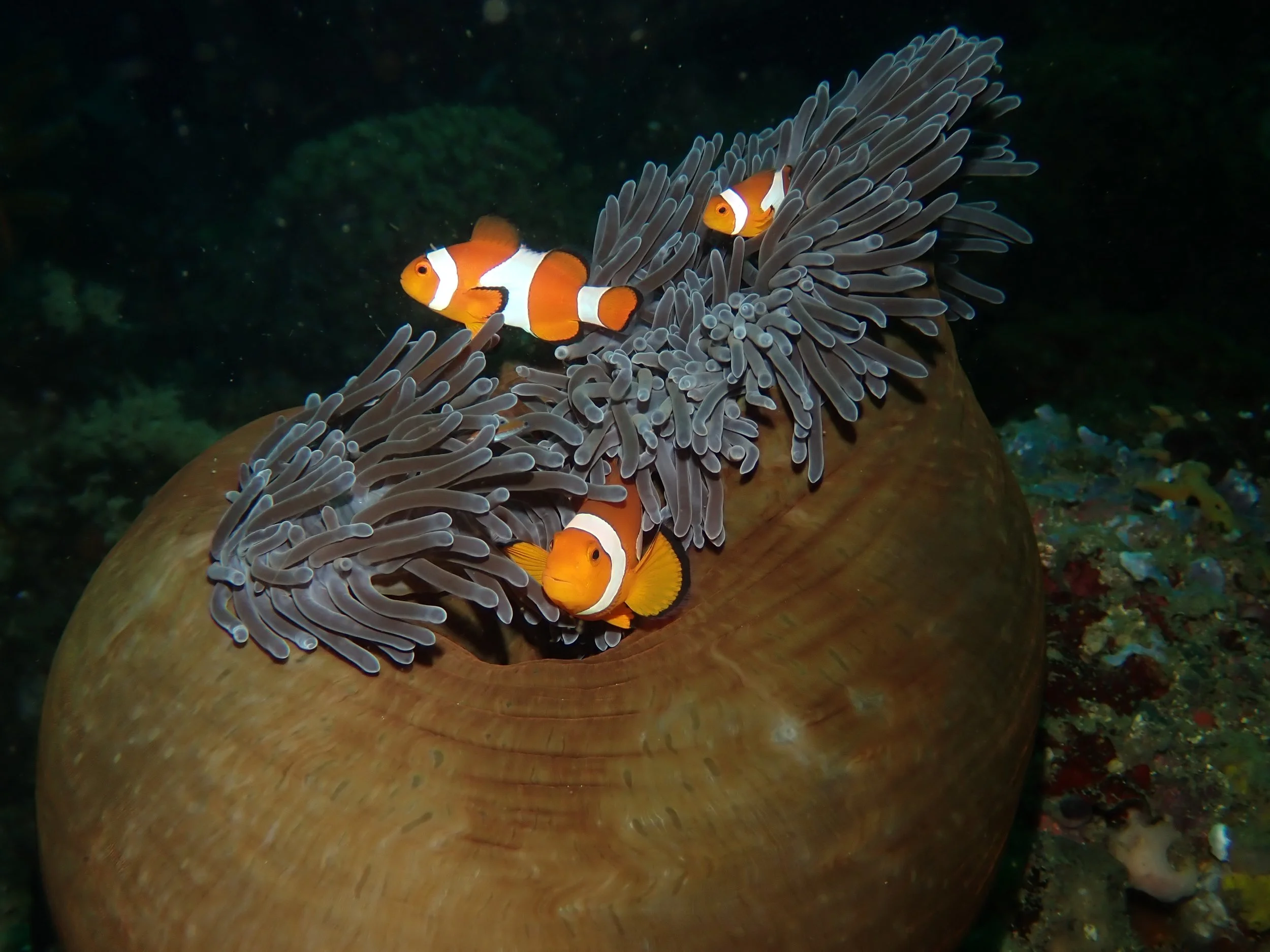
Here’s an interesting video that gives you a sense of scale. Squat Anemone Shrimp, shown first, are commonly referred to as “sexy shrimp”, and they often share an anemone with Anemonefish (here Saddleback) -

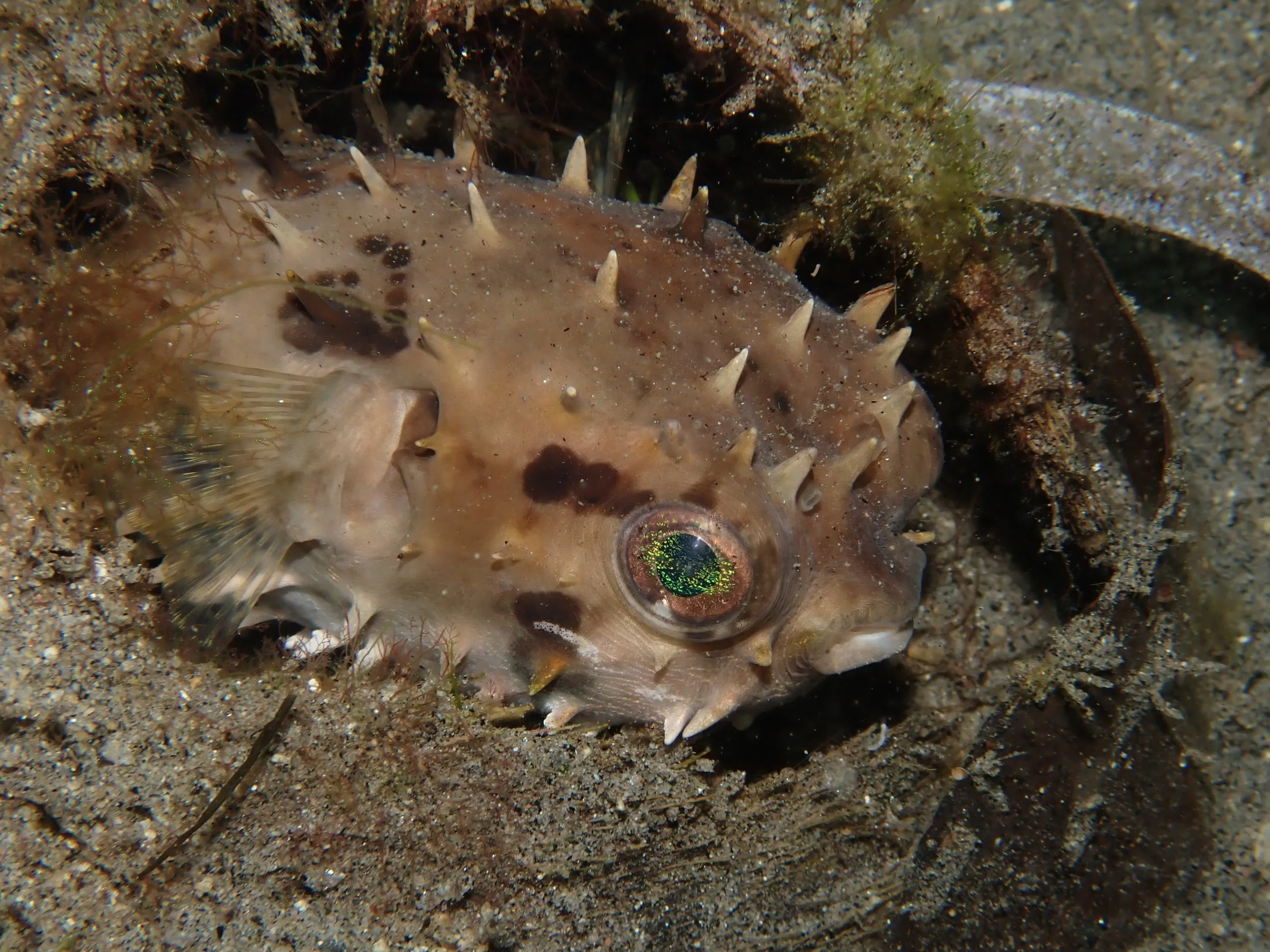
This Orbicular Burrfish has the coolest eyes…
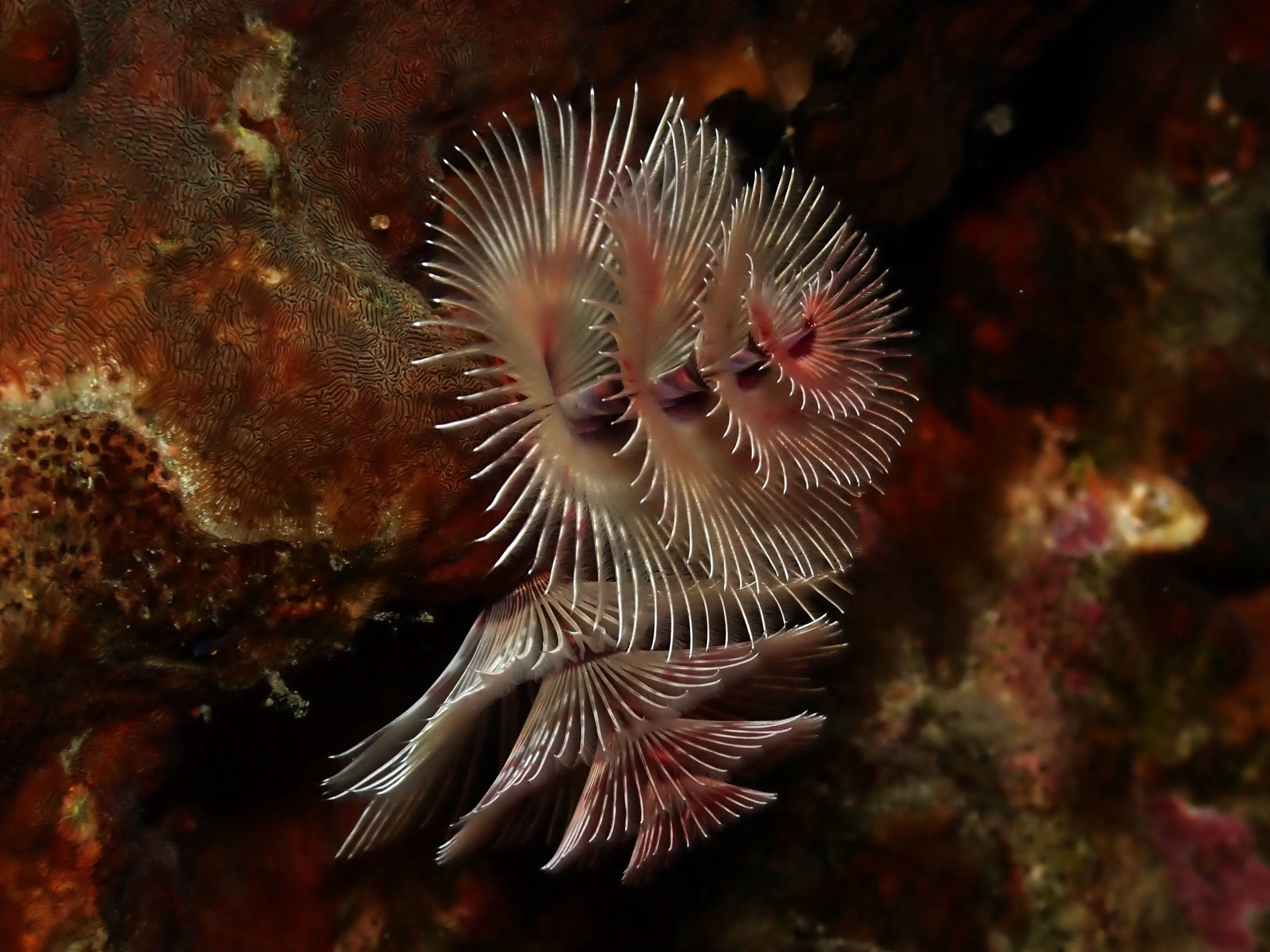
… while these Christmas Tree Worms came across as quite elegant -
Steve took this still out of a video he shot, and I thought it was quite fitting to close out this Philippines trip for us. “Here’s looking at you, kid” -
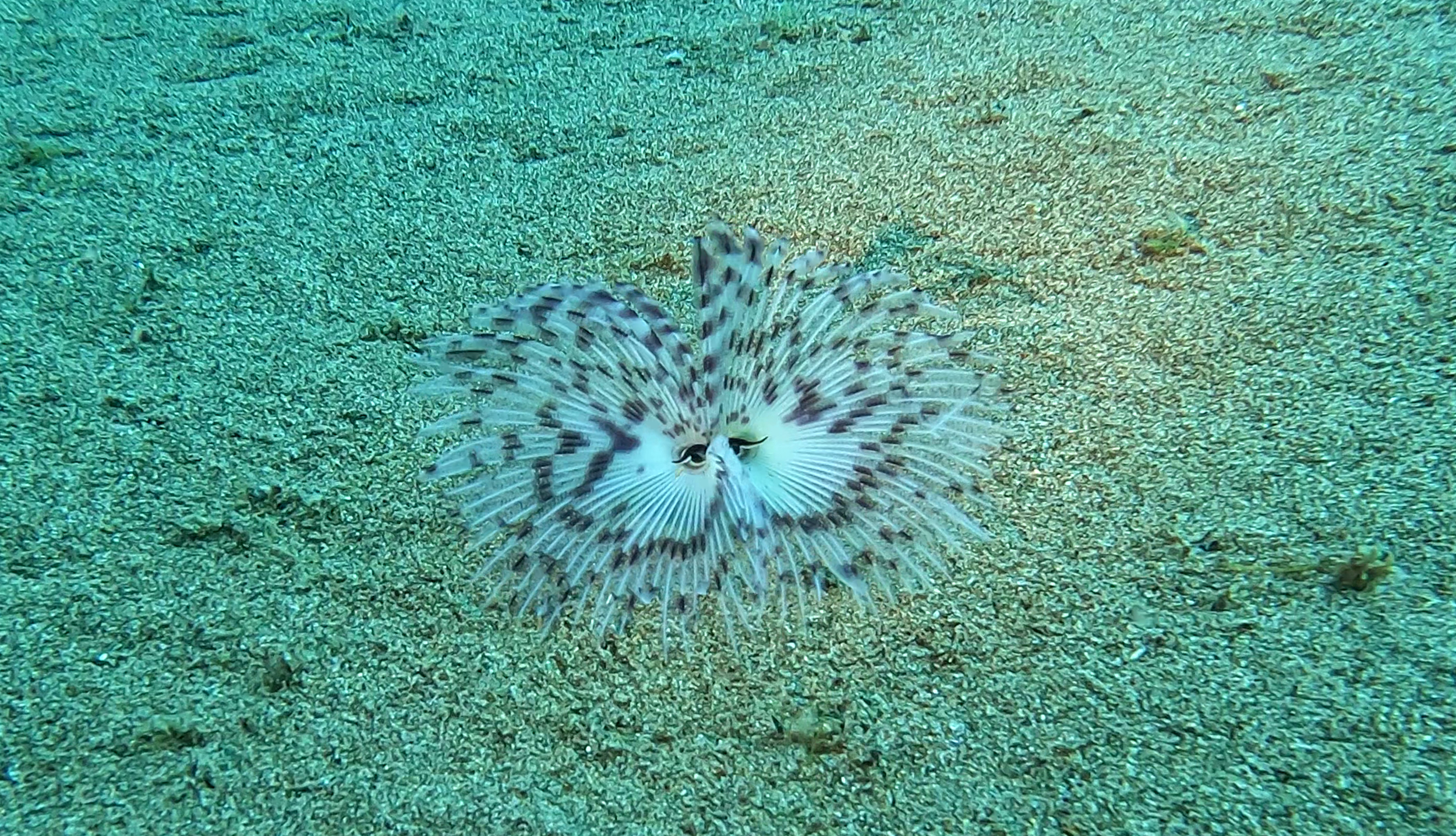
a Featherduster Worm
Moalboal, Cebu

We flew from Palawan to Cebu island for our next diving piece. We stayed overnight in Cebu City, the second largest city in the Philippines, and “toured” the historic area. This area was very dirty and not well maintained, and the noted sites were largely unimpressive. So if you ever find yourself here, I’d say to give the “historic” area a miss.
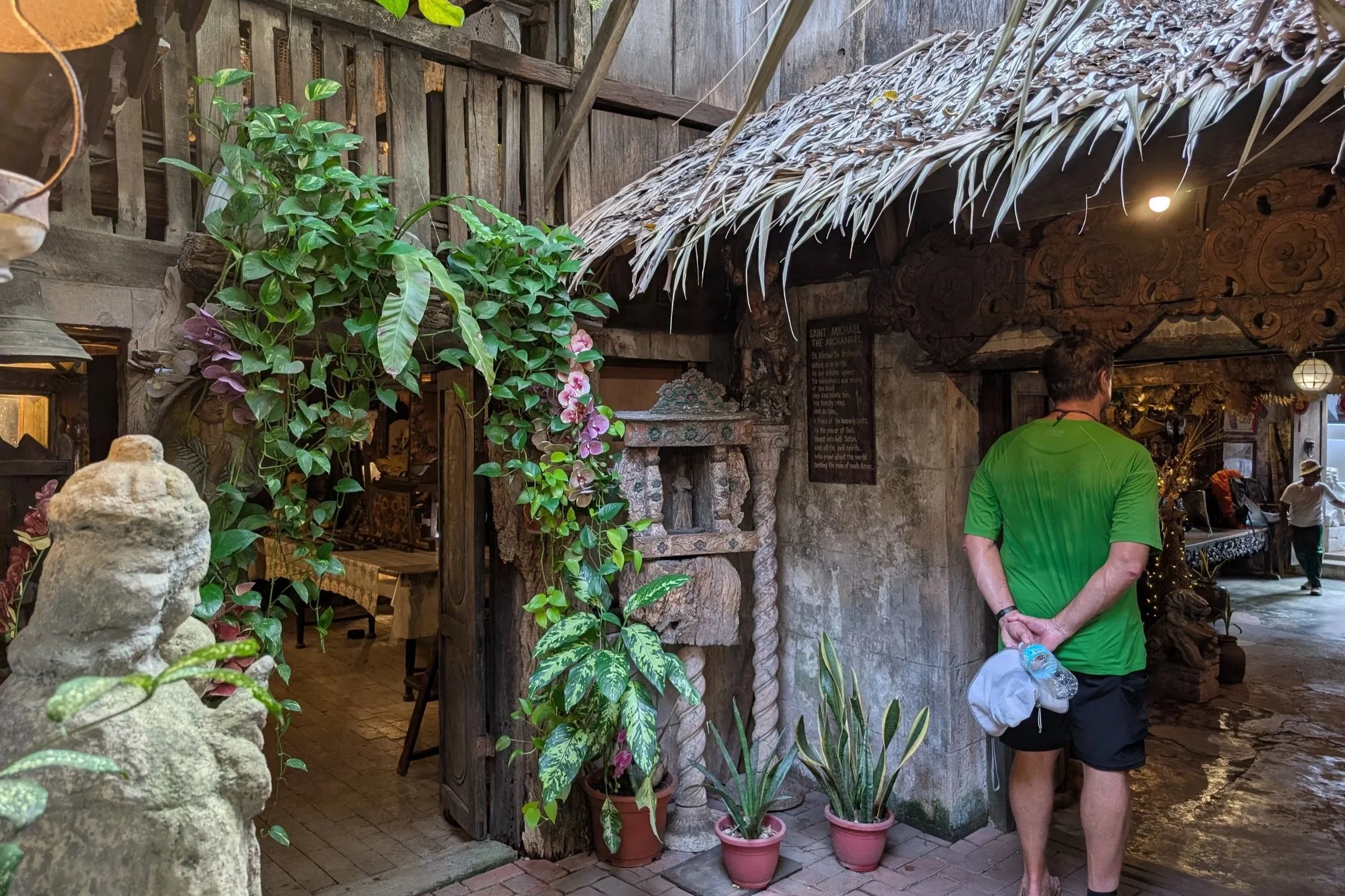
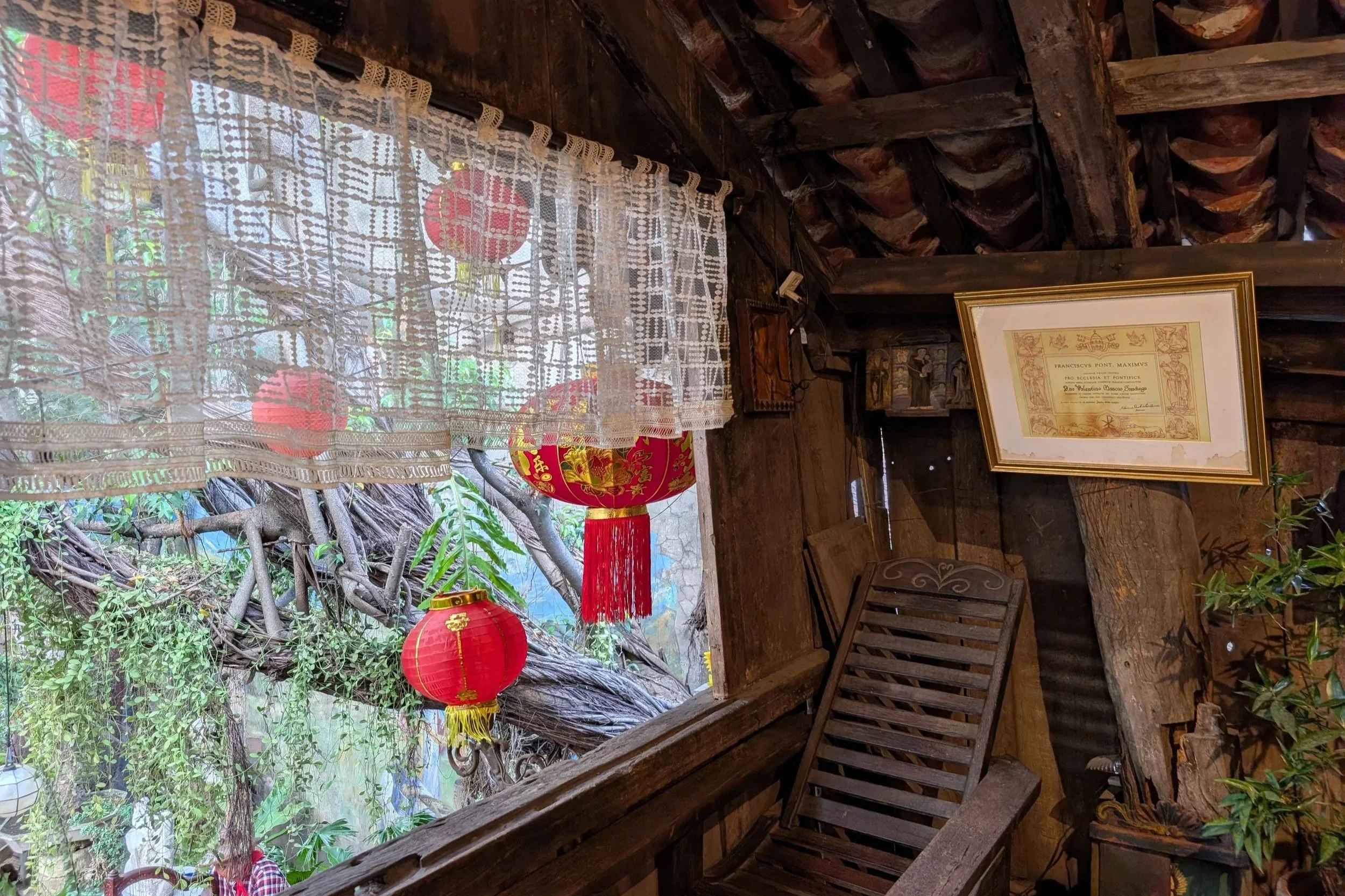
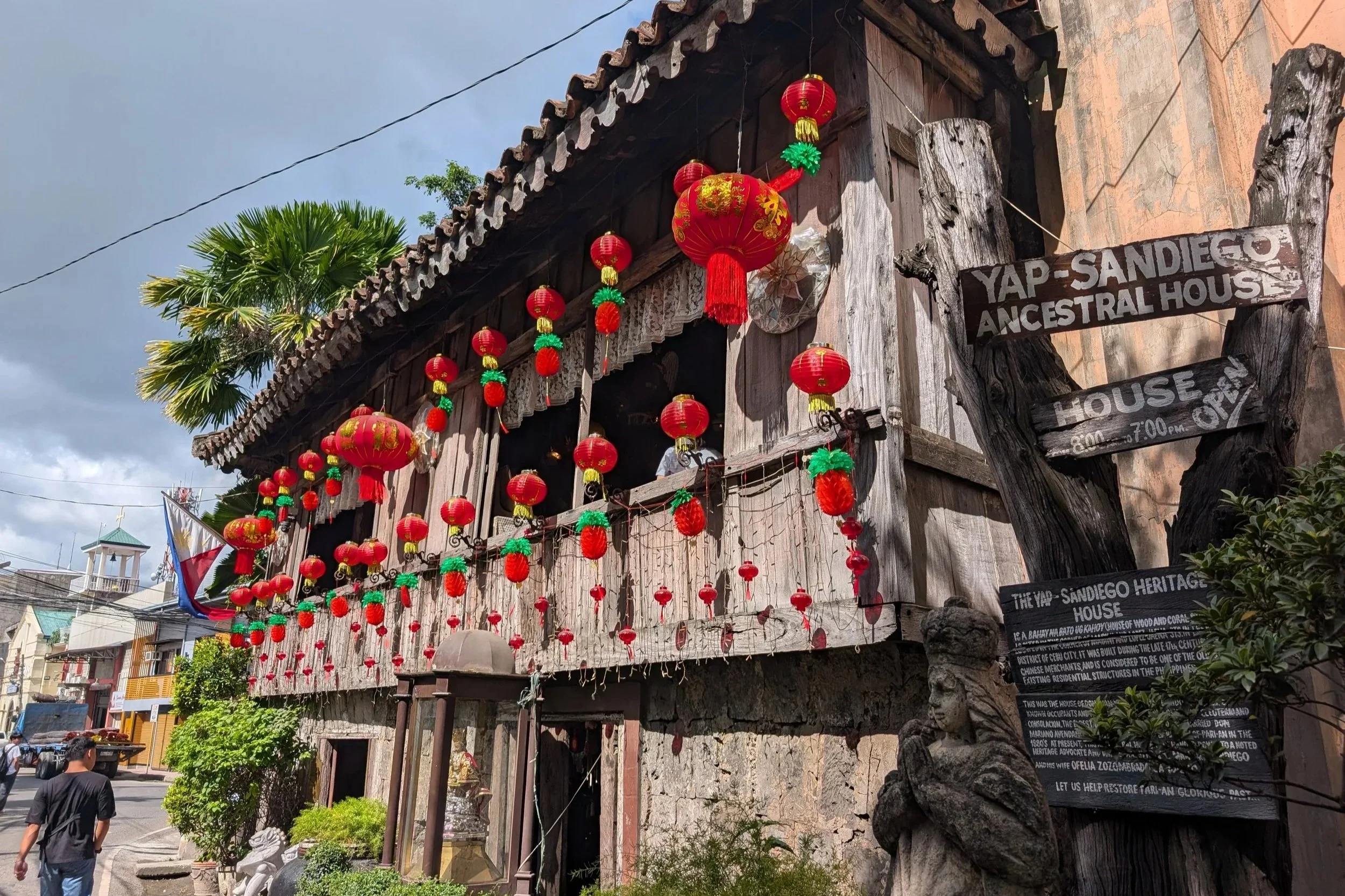
We did enjoy touring the Yap-San Diego House…

This is one of the oldest houses in the Philippines and was built in the late 17th century.

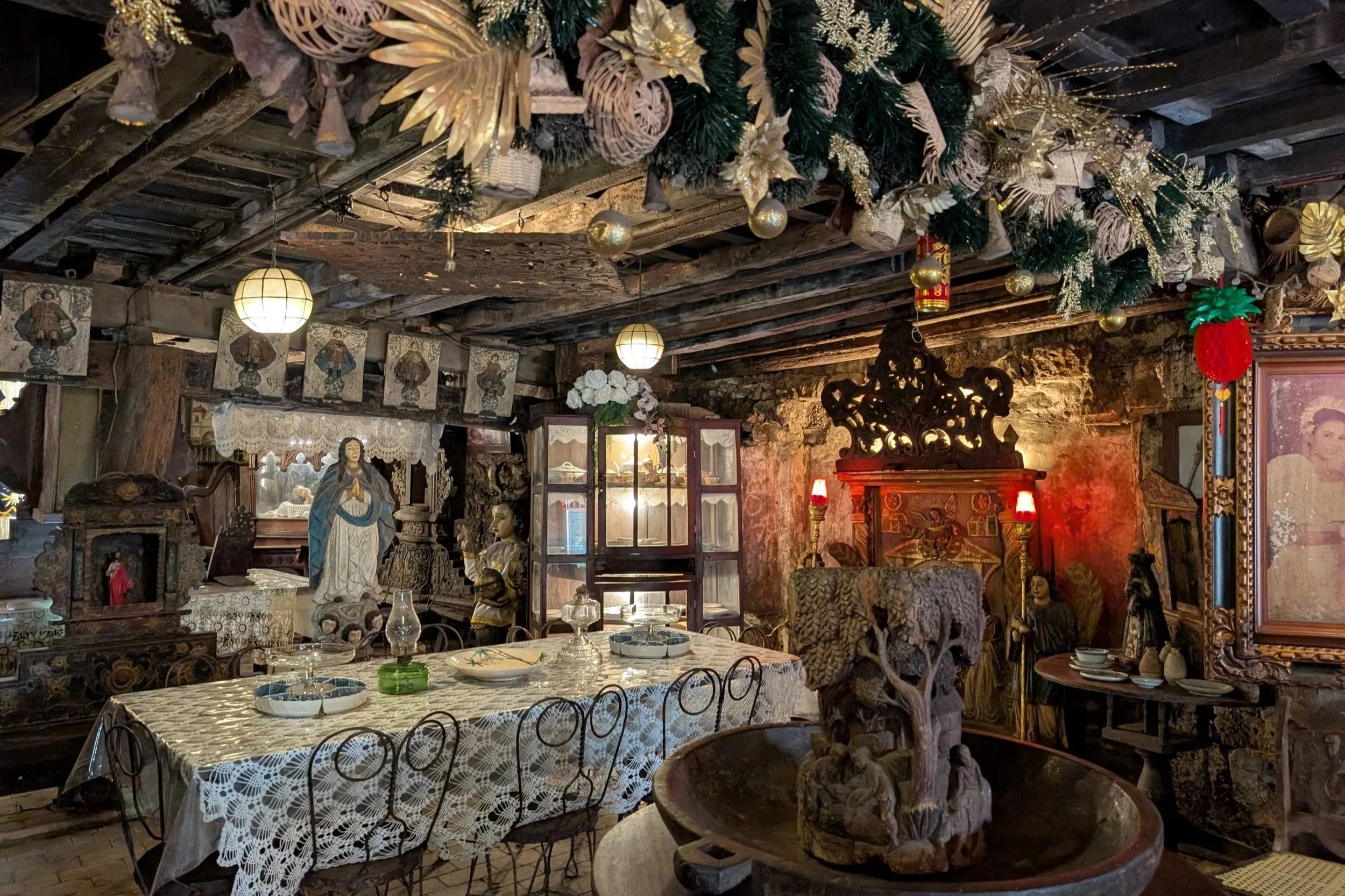
The interior was packed with religious objects and furniture…

… had very low ceilings…

notice where Steve’s head lands on the doorframe

… and the roof was terracotta tiles -

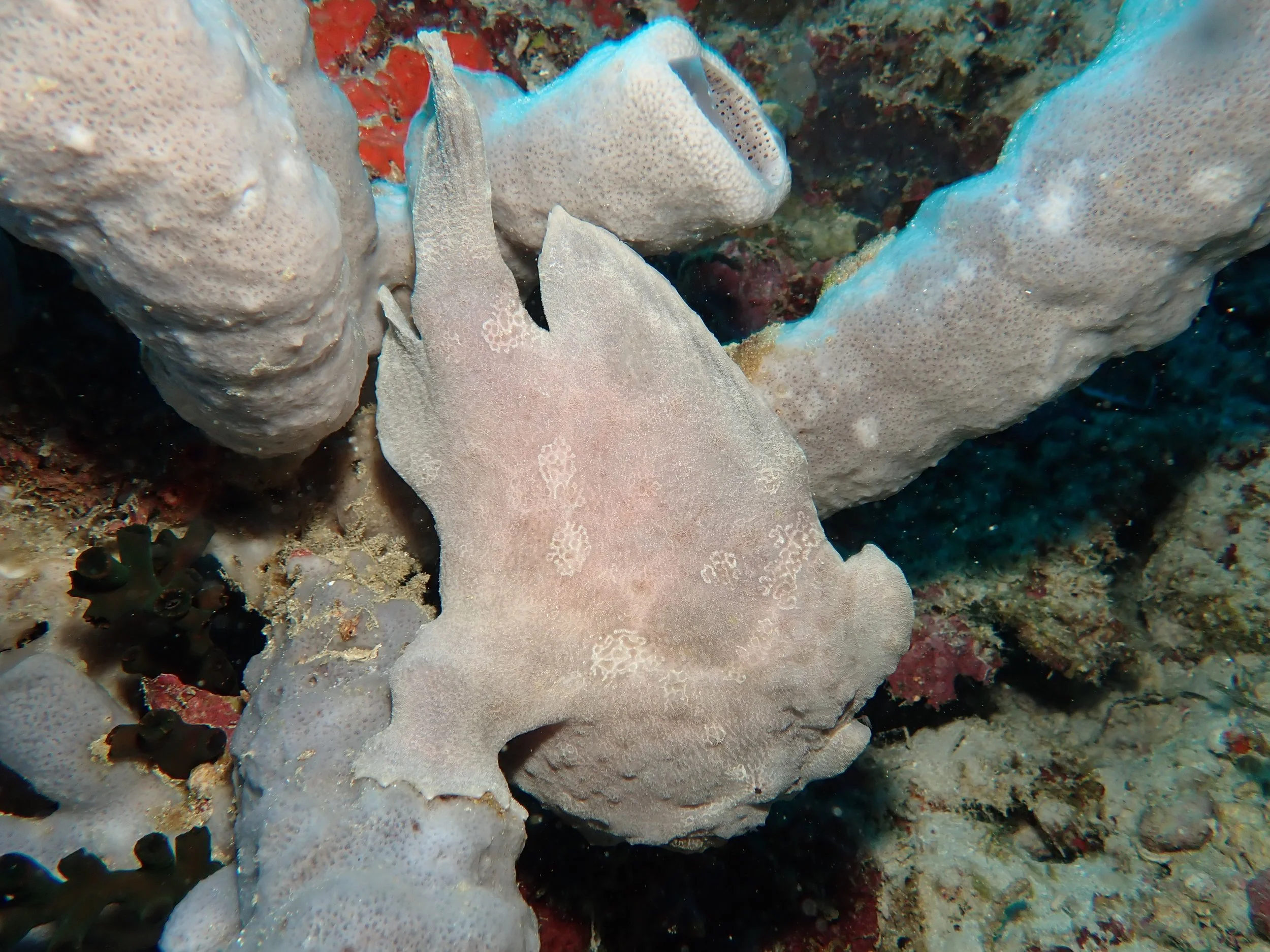
We were then driven 3+ hours across the island to the west side and the town of Moalboal for more diving. On our first day, we saw Giant Frogfish…

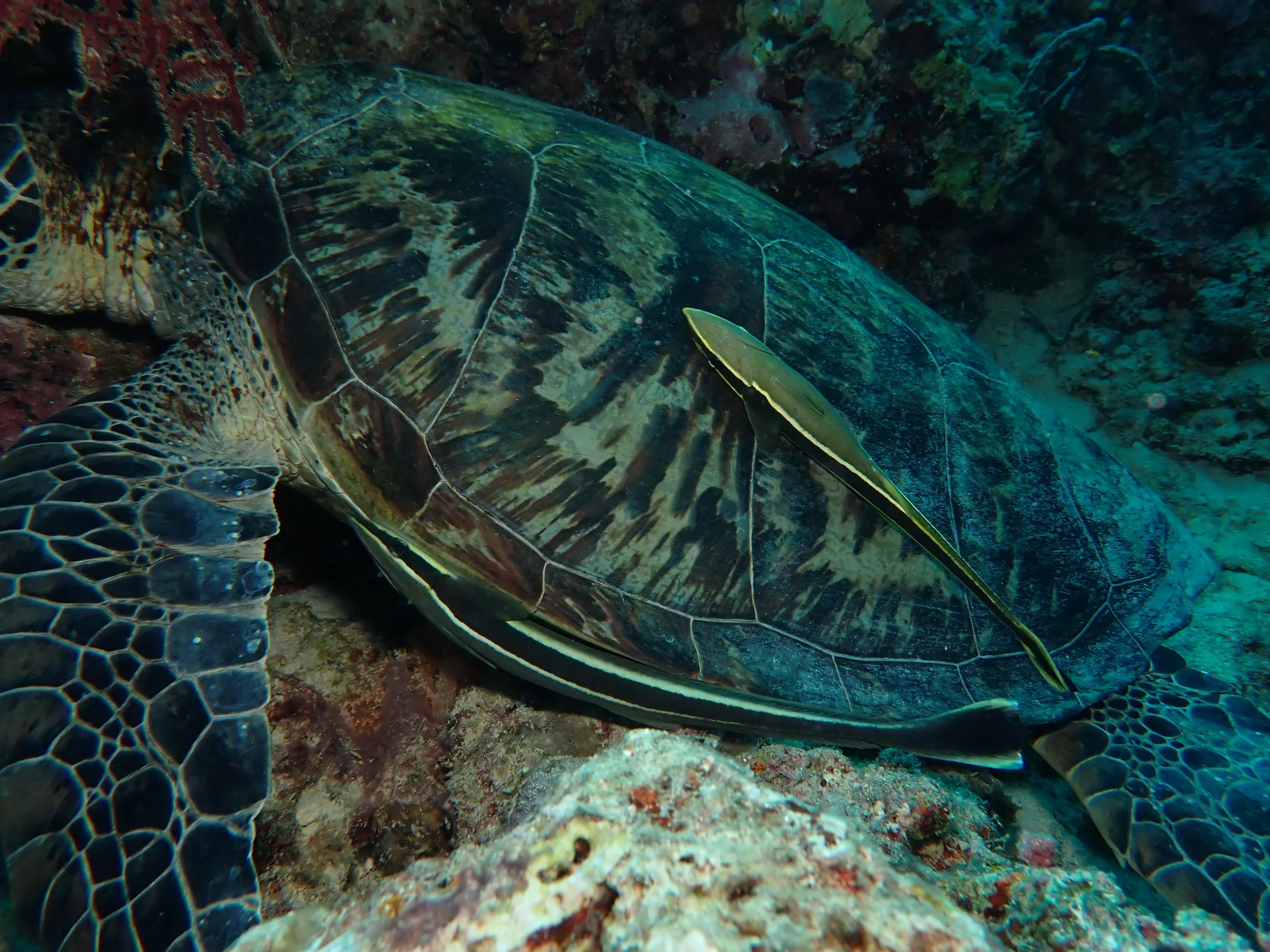
… big turtles (that were giving a ride to some free-loading remoras)…

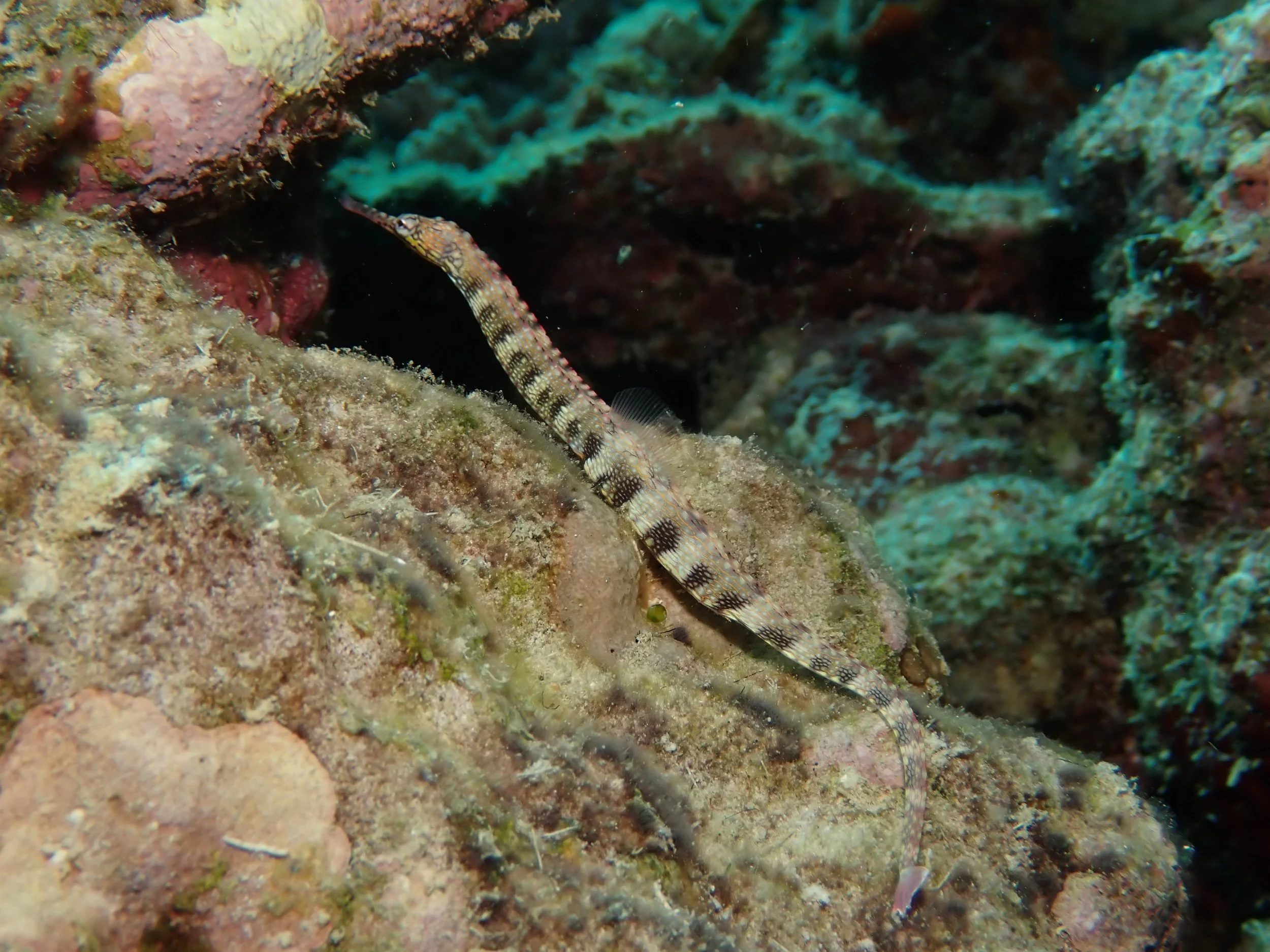
… pretty Reeftop Pipefish…

… and graceful Banded Pipefish (this is a video, so be sure and open this post in your browser or click the link at the bottom of the email)

Did you notice that one had a row of eggs on its belly? We’d never seen that before!

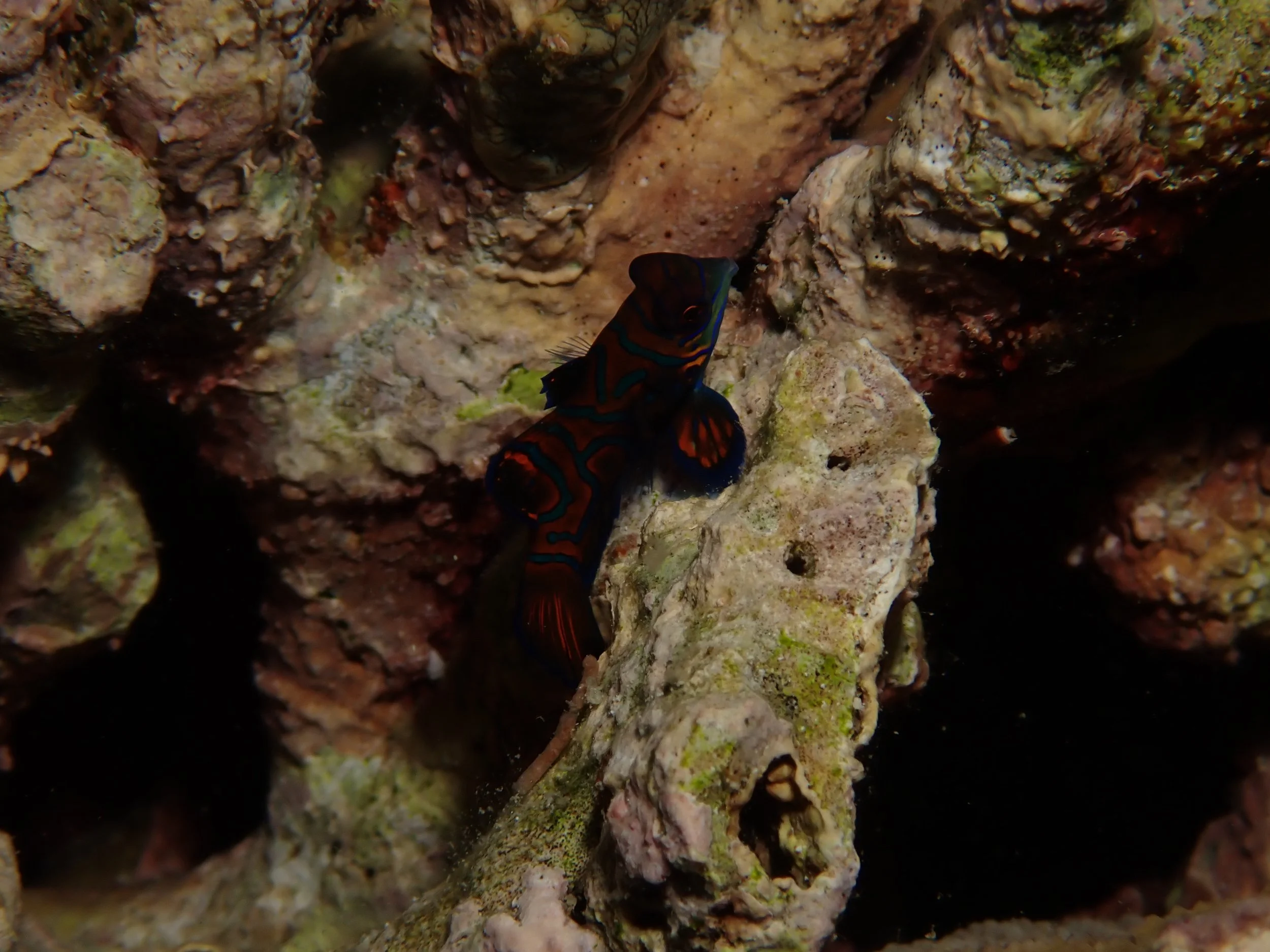
One of the main reasons I wanted to dive here was the possibility of seeing Mandarinfish mating at sunset.

They are gorgeous little fish (2-3 inches long), but are only really active at dusk (hence the poor light in the photo above). Our guide told us not to use flash while they were mating, but that he would shine a light over them as they started to rise -

We were lucky enough to see 6 episodes, and they were facing me during this one -

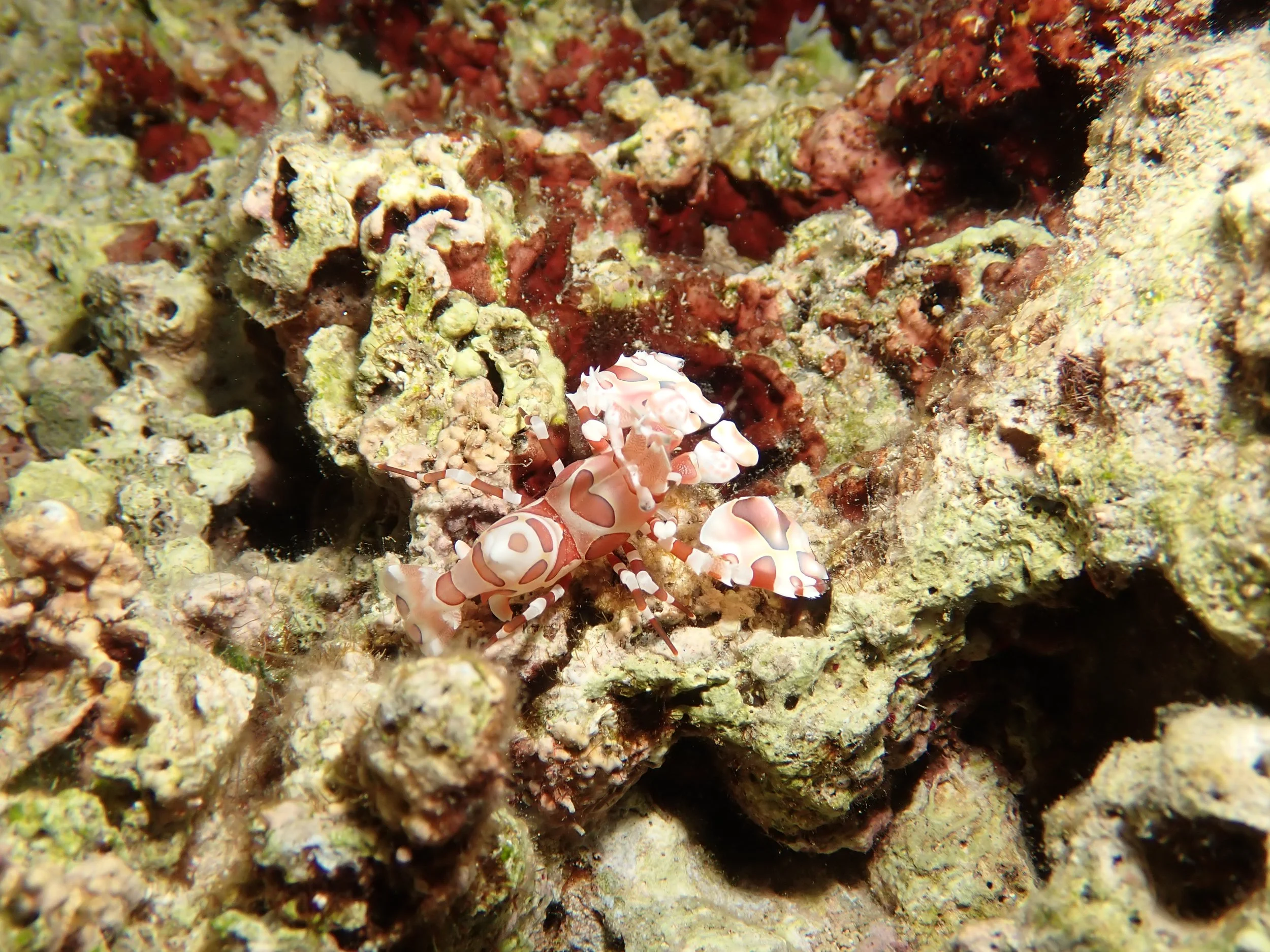
After we left the Mandarinfish in peace, we continued on a night dive, seeing a Harlequin Shrimp…

… that the guide briefly prevented from retreating into its hole…

… and watch a Prawn disappear after dancing -

The other main reason I wanted to dive at Moalboal was because of the massive school of sardines that are always present just off the coast. There were a lot of free divers and snorkelers at the surface, as we dove below the school at about 40 feet -

It was fun to swim right into the school and see it swirl away from you -

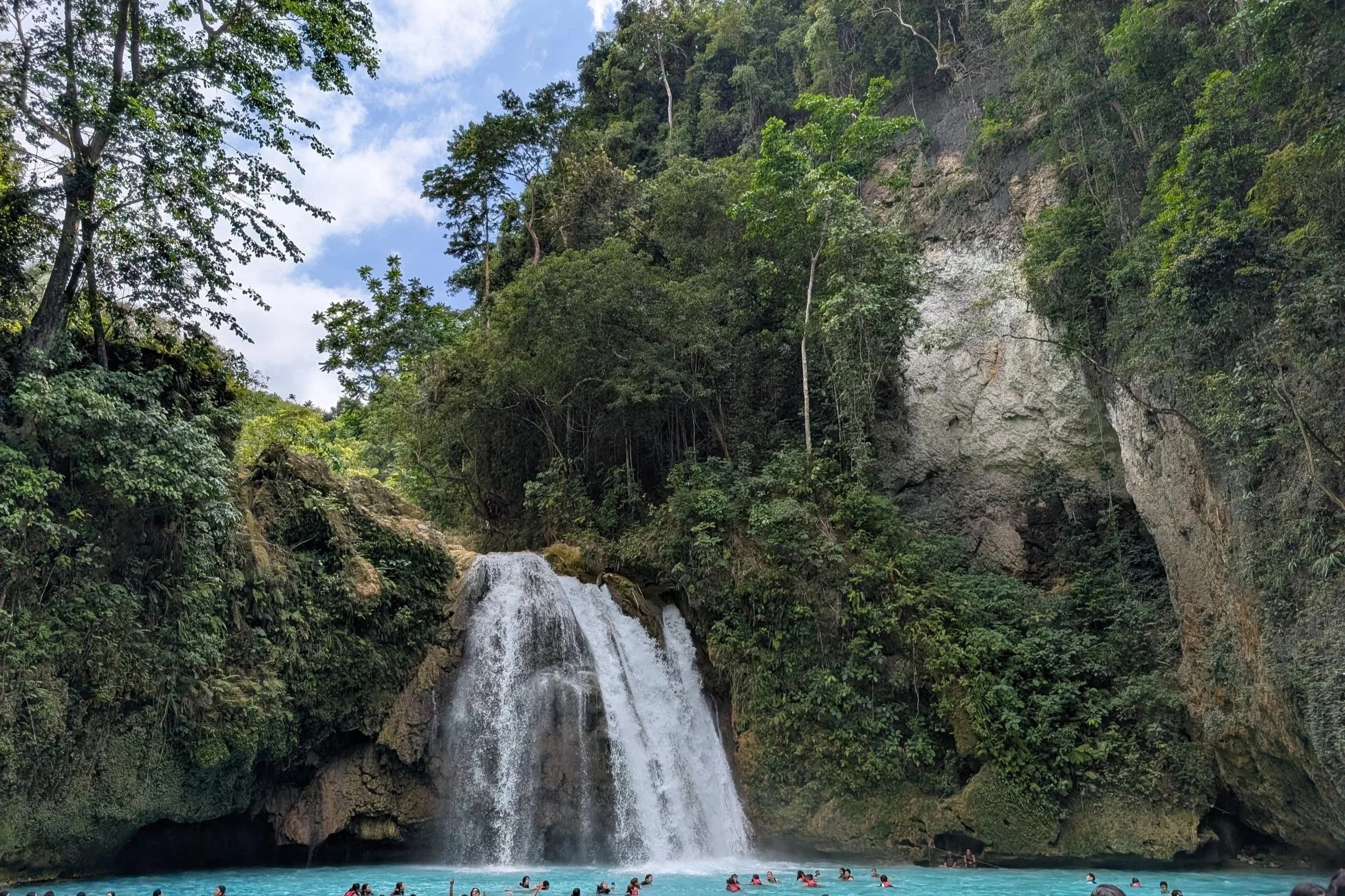
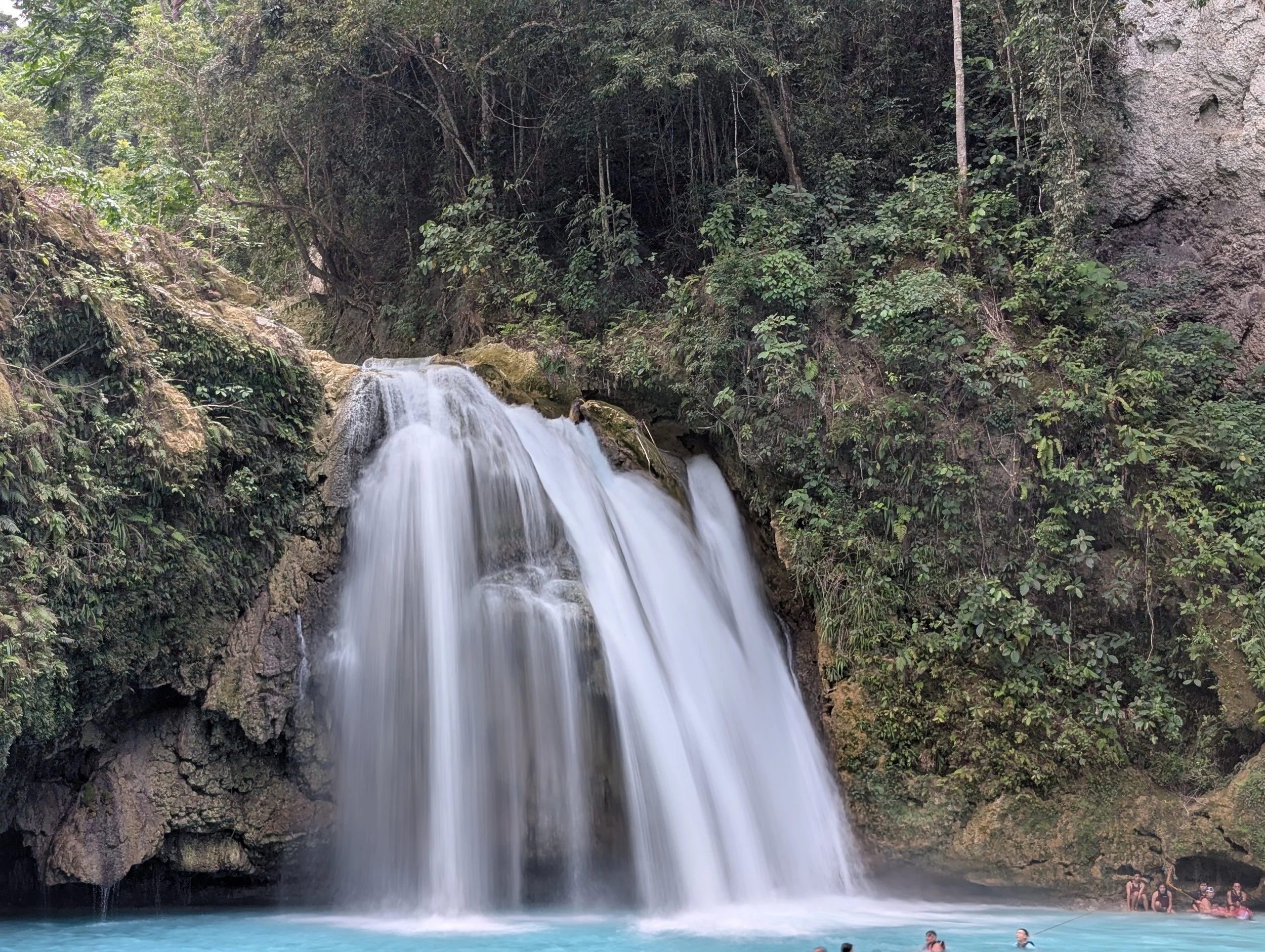
On our second afternoon, while our diving gear was drying out, we made an excursion to see Kawasan Falls. Unfortunately, it was a Saturday, and everyone around had decided to cool off there. I tried to crop out most of the people and still let you see the gorgeous turquoise water -

I’ll close with an artsy shot (long exposure), and resume more diving pictures (oh yes!) in the next post -

El Nido, Palawan

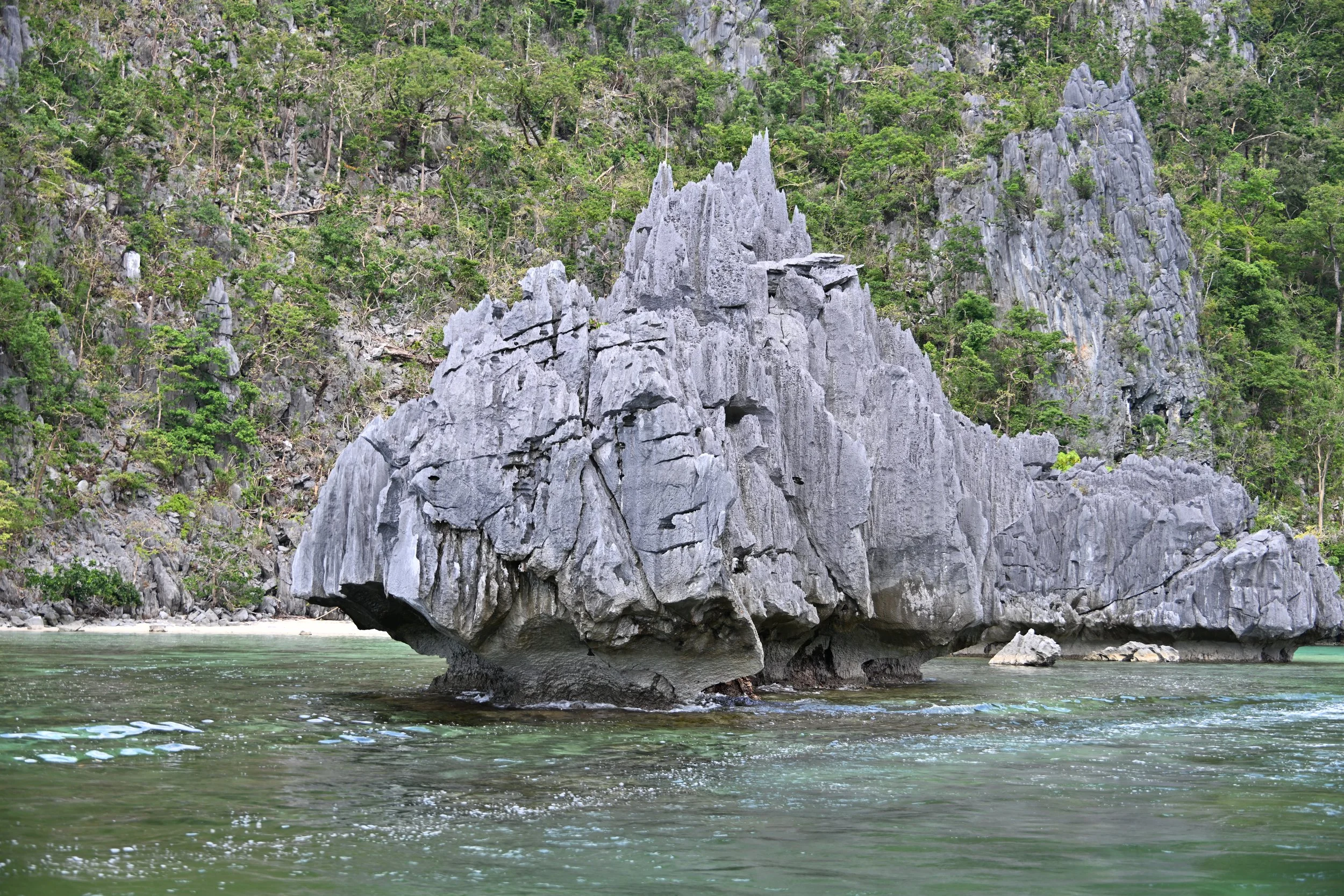
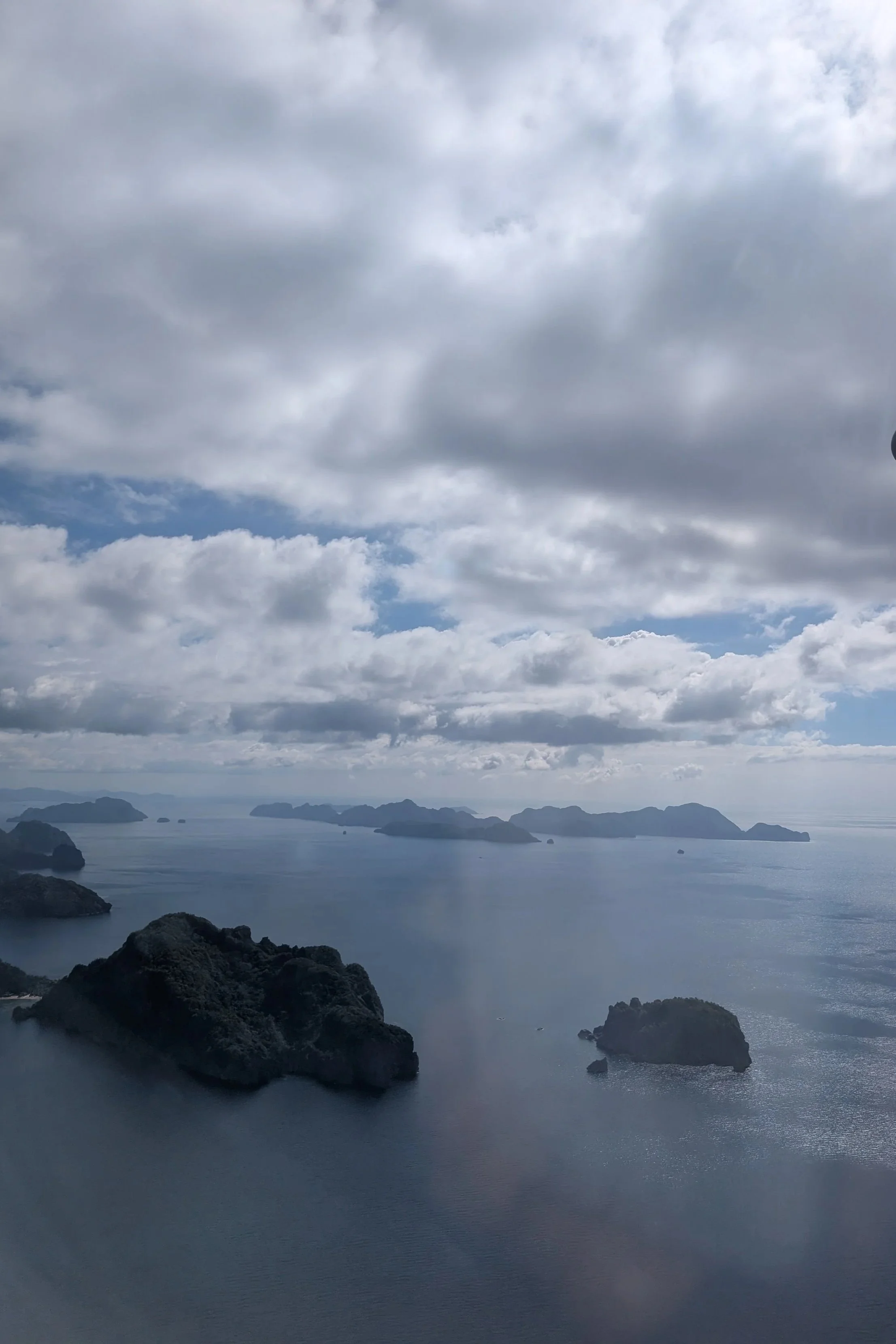
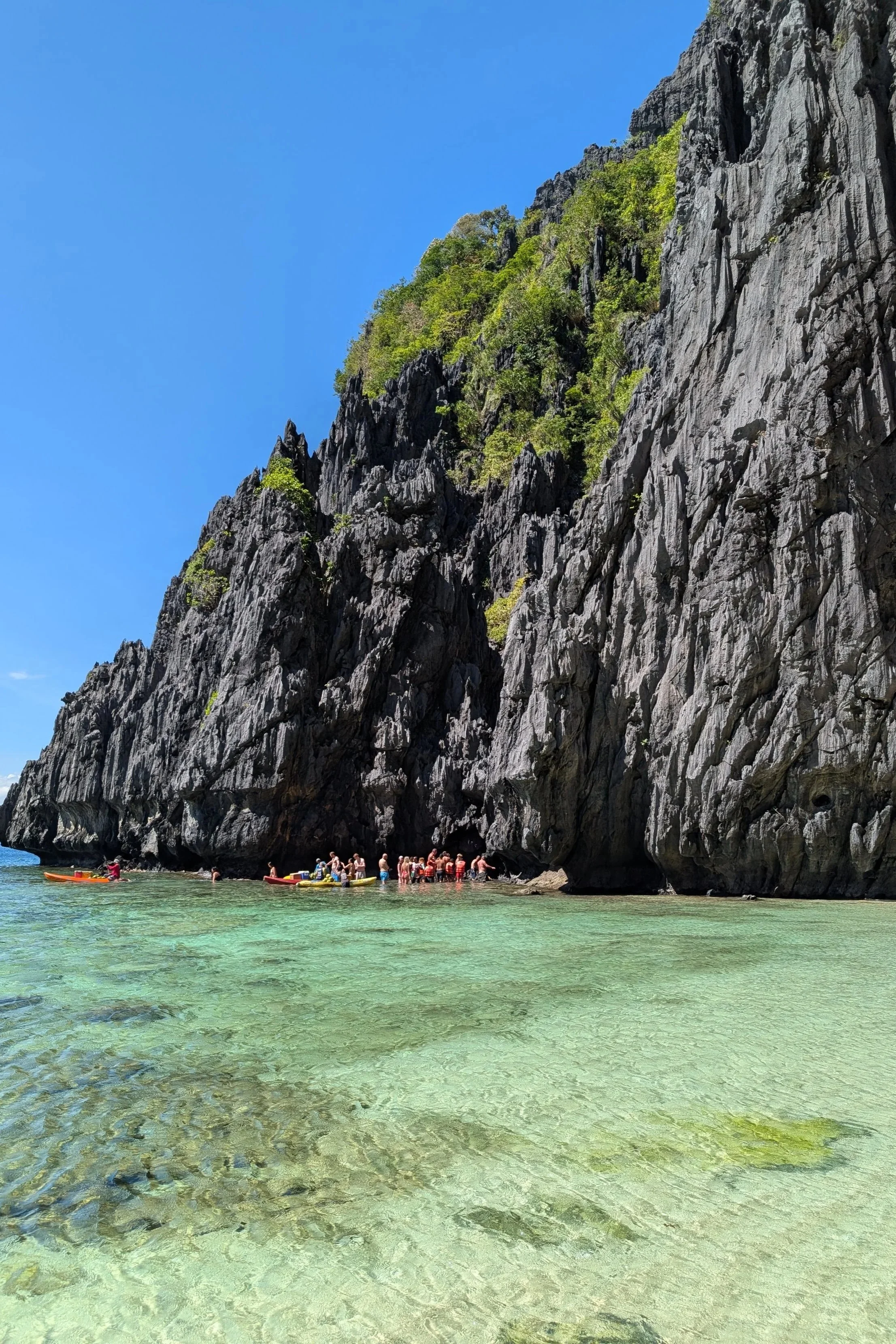
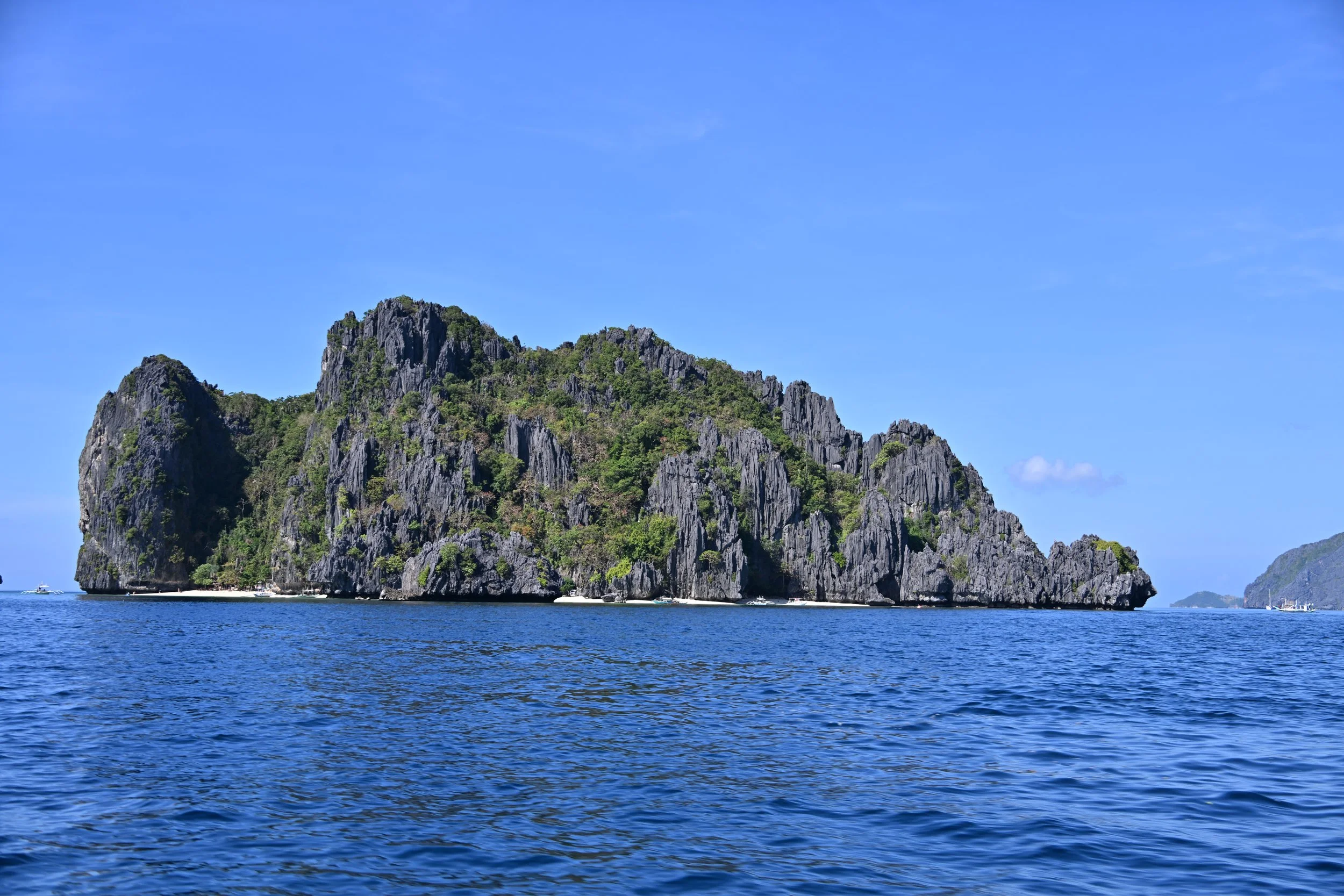
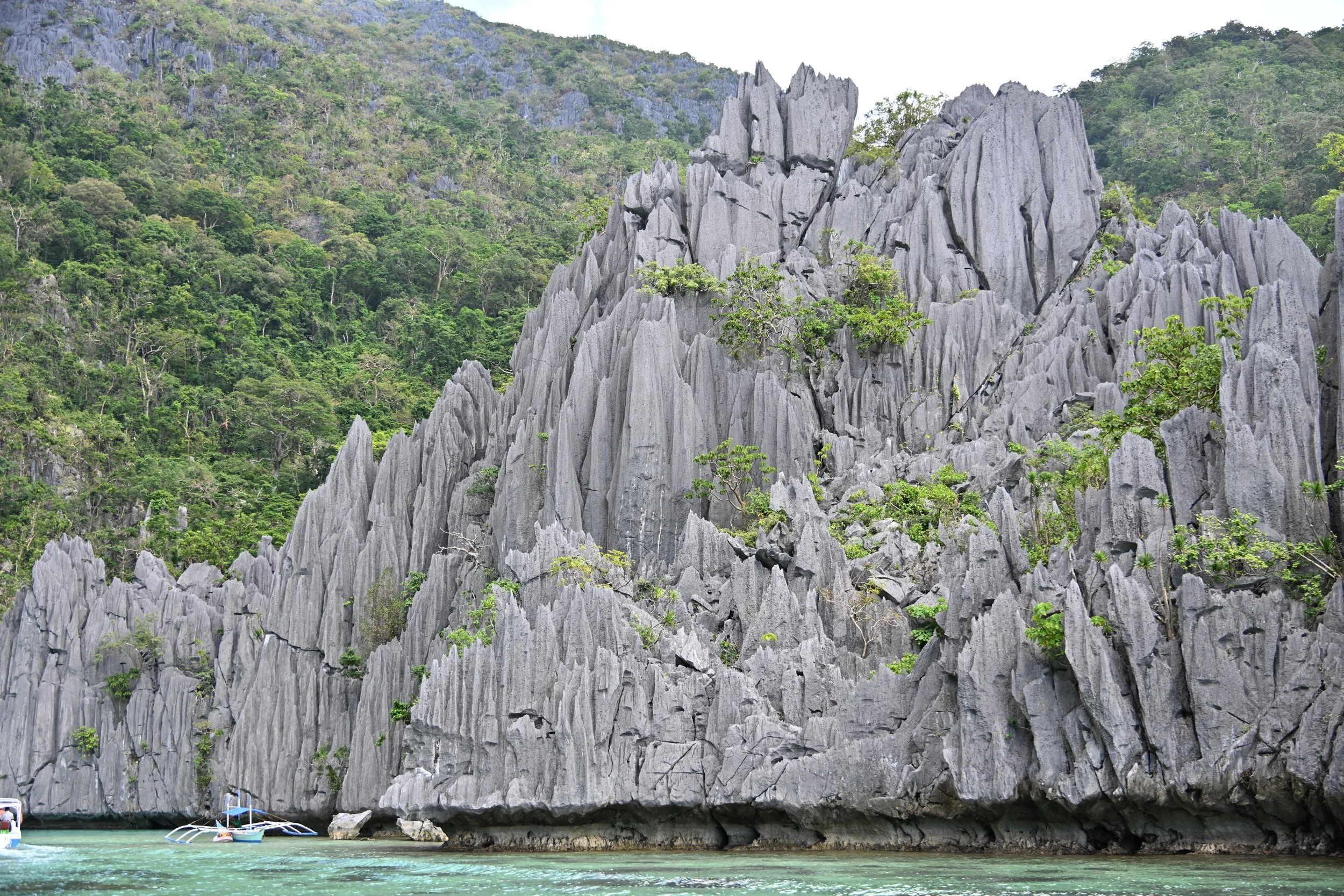
Palawan is the westernmost island of the Philippines. El Nido sits near the north end of the island on the west coast. Just offshore are 45 islets of various sizes (Bacuit Archipelago) made of karst/limestone that reminded us of the Tsingy in Madagascar -

Before I talk much about the karst islands and touring them, I want to share where we stayed and our arrival. The next picture taken from the prop plane wasn’t very good, but you can get the idea of the scattered islands -

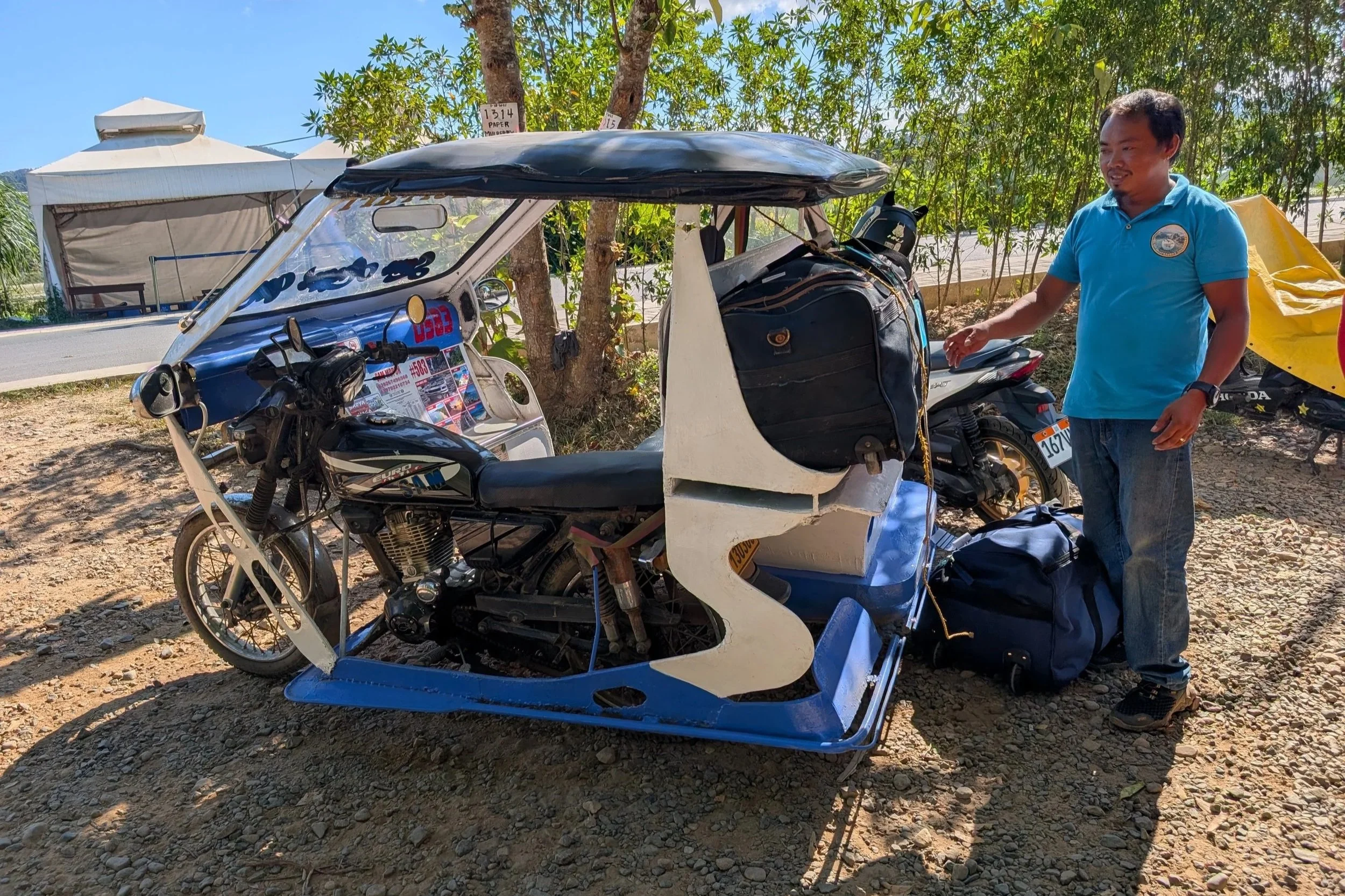
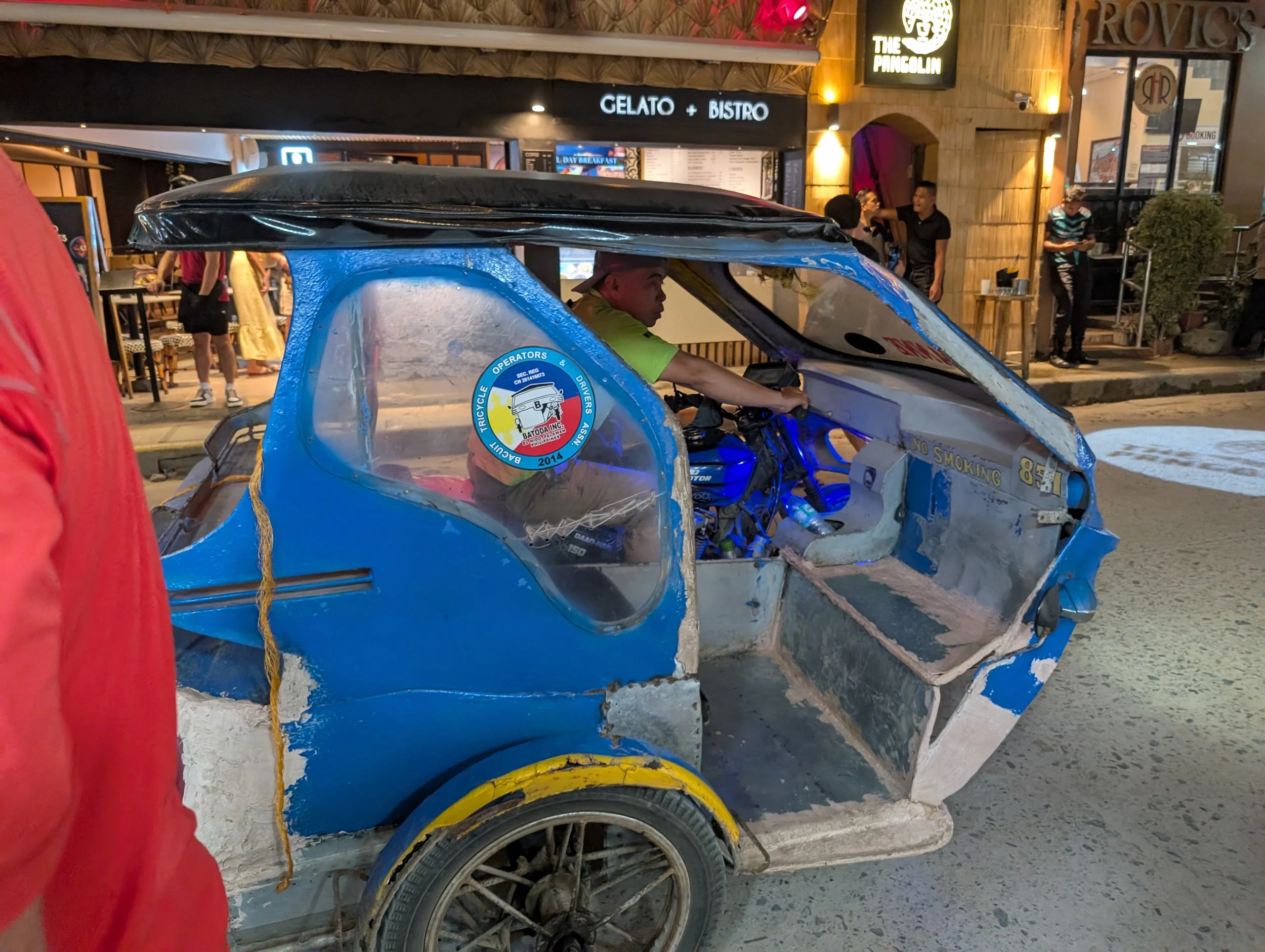
We hired this tricycle (which barely held our bags and ourselves)…

… to take us to our beach hotel -

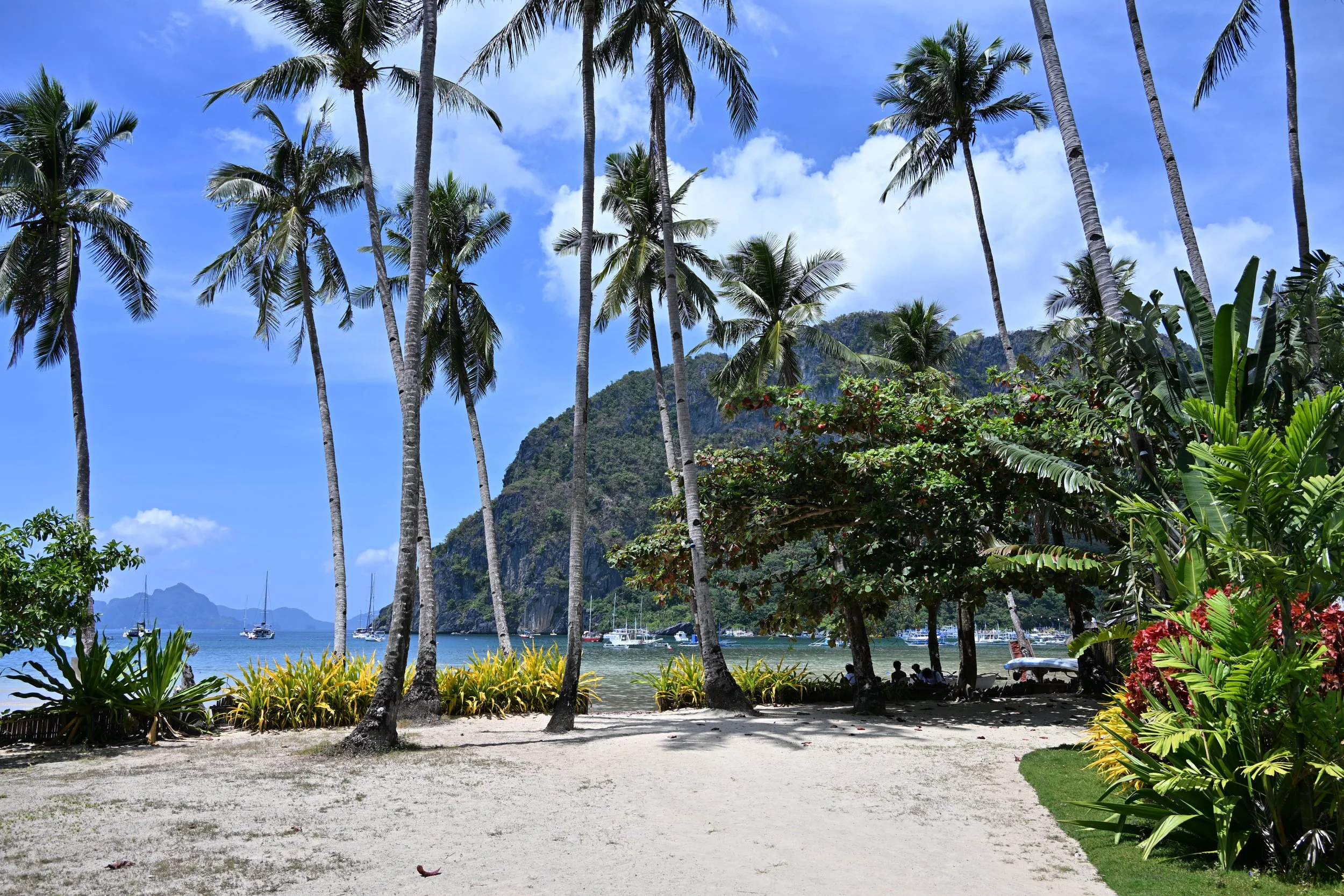
view from our front porch

The 3 night stay here was our vacation from our dive vacation. :)

The next picture shows better what the inside of a tricycle looks like -

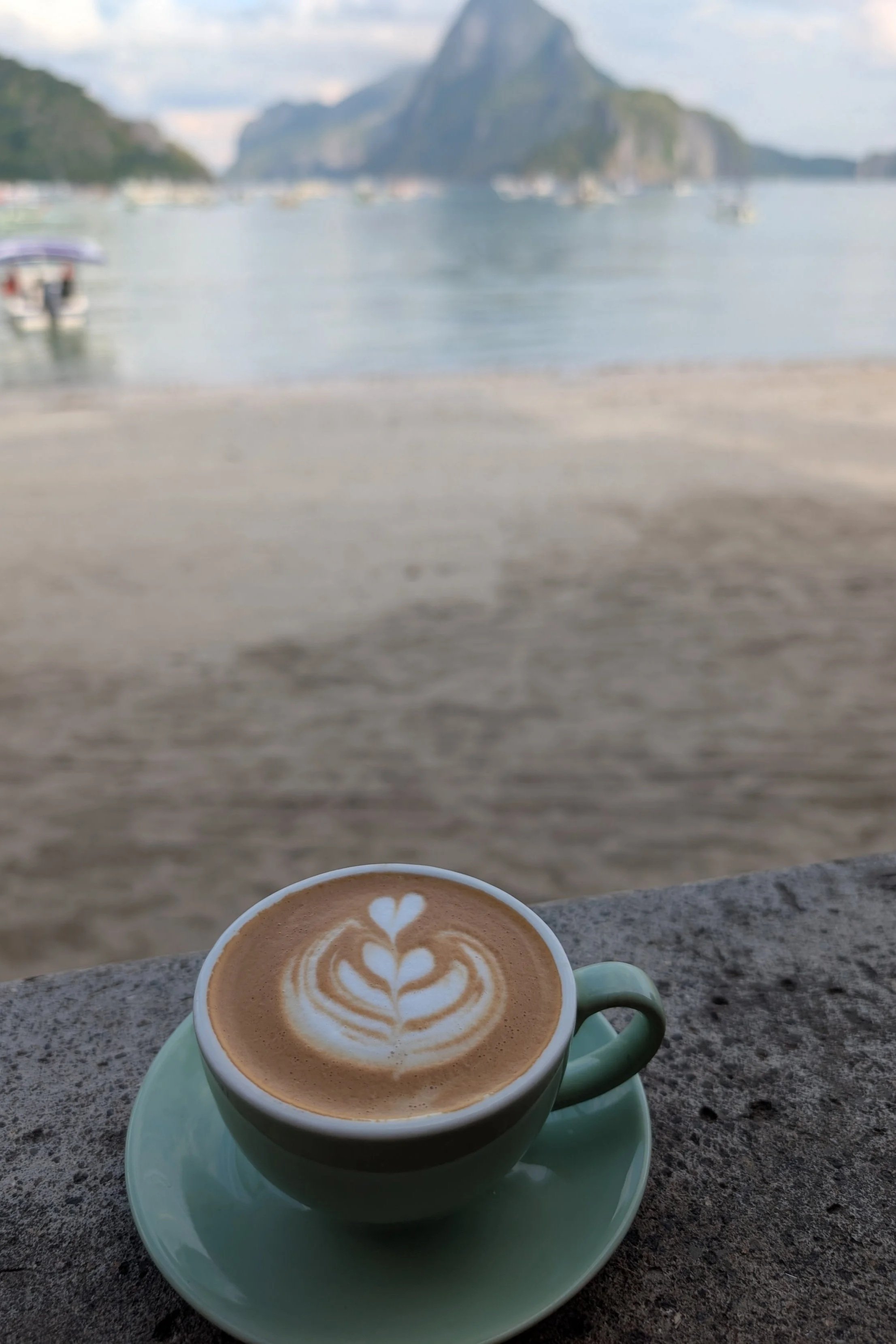
On our first morning, we were very lucky to grab a beachside view with our breakfast -

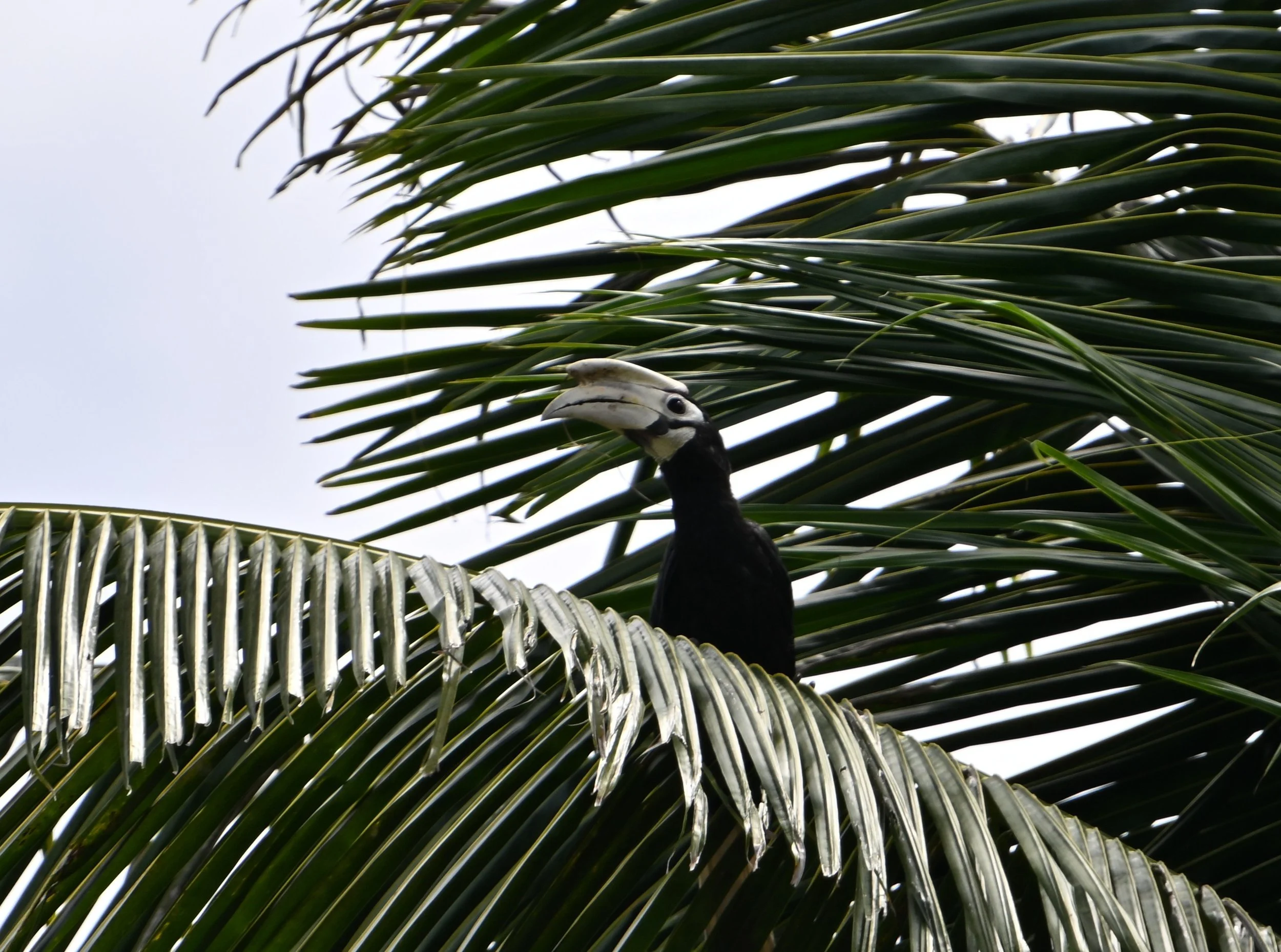
I heard loud chatter in the trees above our room and found the endemic Palawan Hornbill -

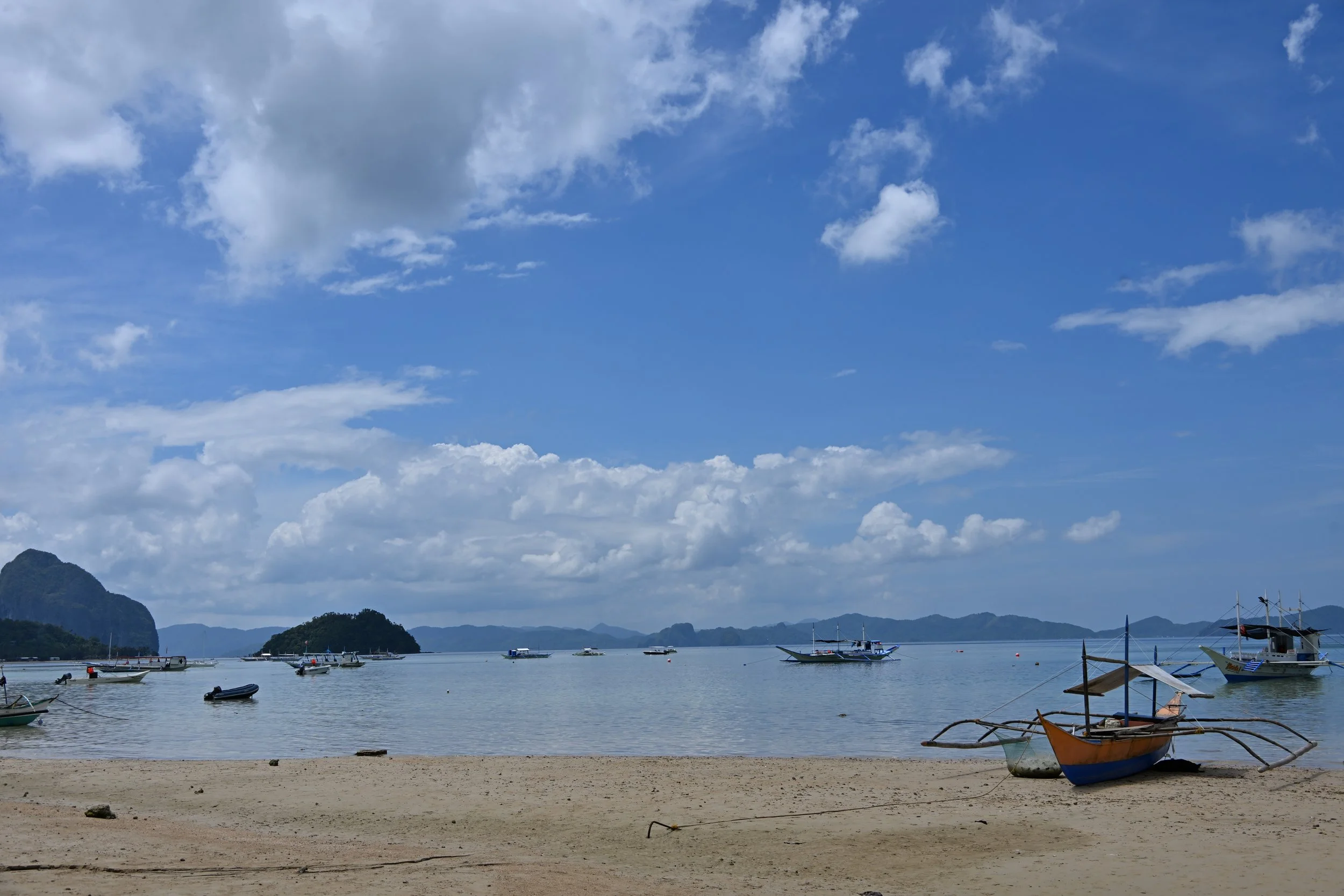
There are boats everywhere…

… ready to take tourists out on tours of the islands. Interestingly, all tour companies offer the same set of tours - Tour A, B, C or D, or a combination thereof. Each tour offers different highlights, and you can opt for a traditional boat with outriggers, that will take you and 20 of your closest friends on a day long excursion to see 5 or 6 sights. Or you can do as we did and hire a private speedboat that will combine the sights of 2 tours, and try to avoid the crowds as much as possible.

We had a beautifully sunny day for our cruise…

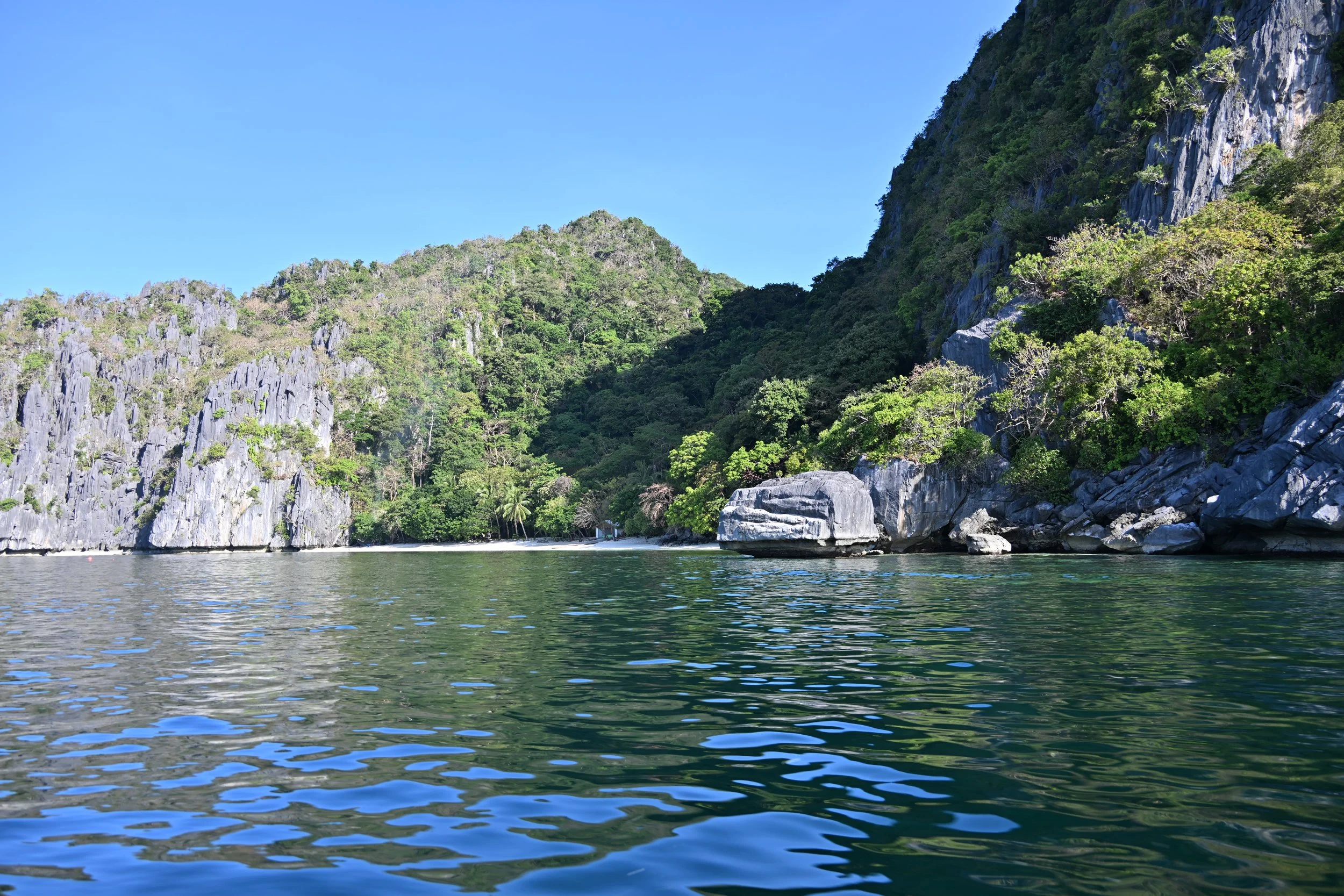
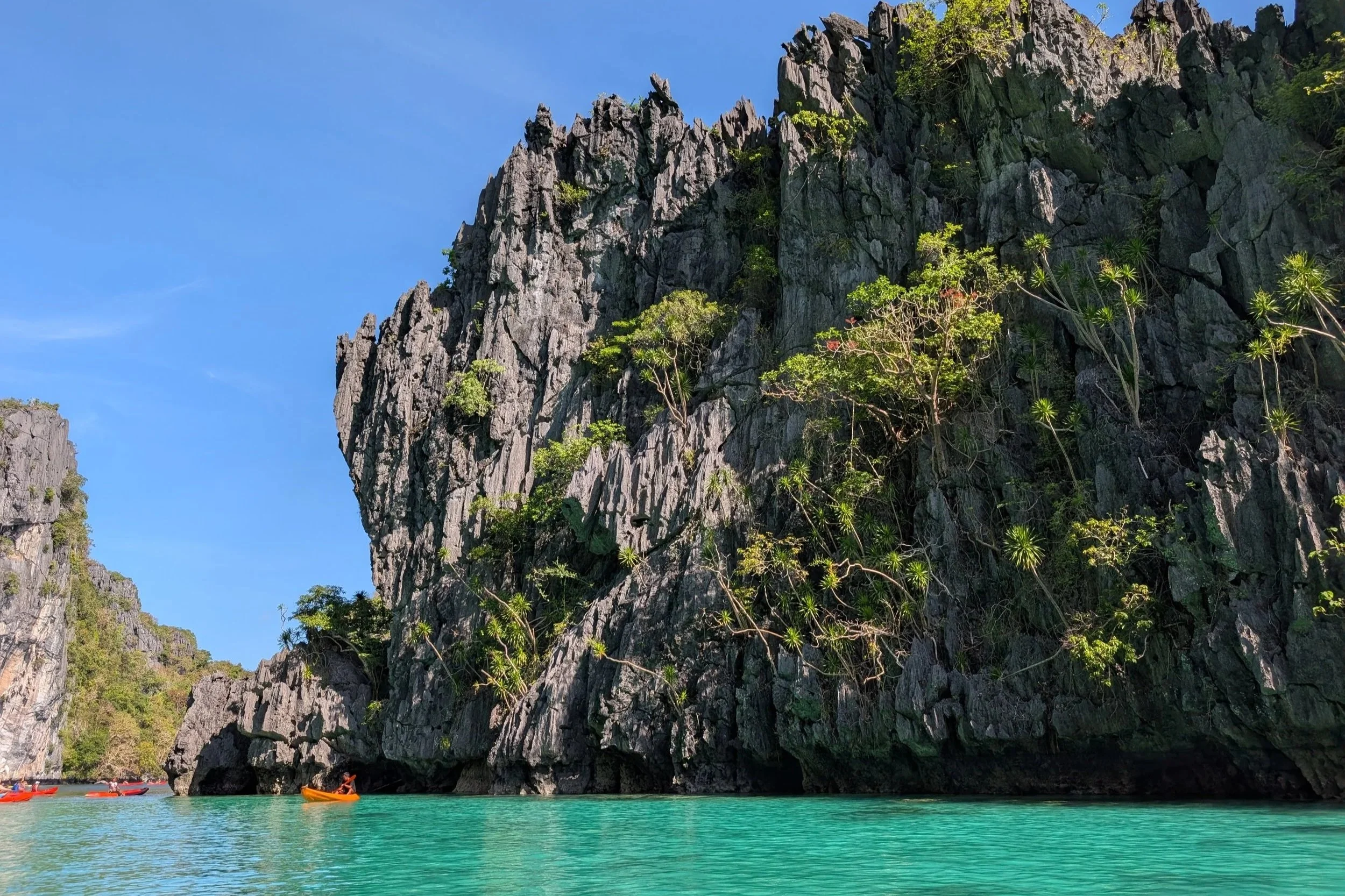
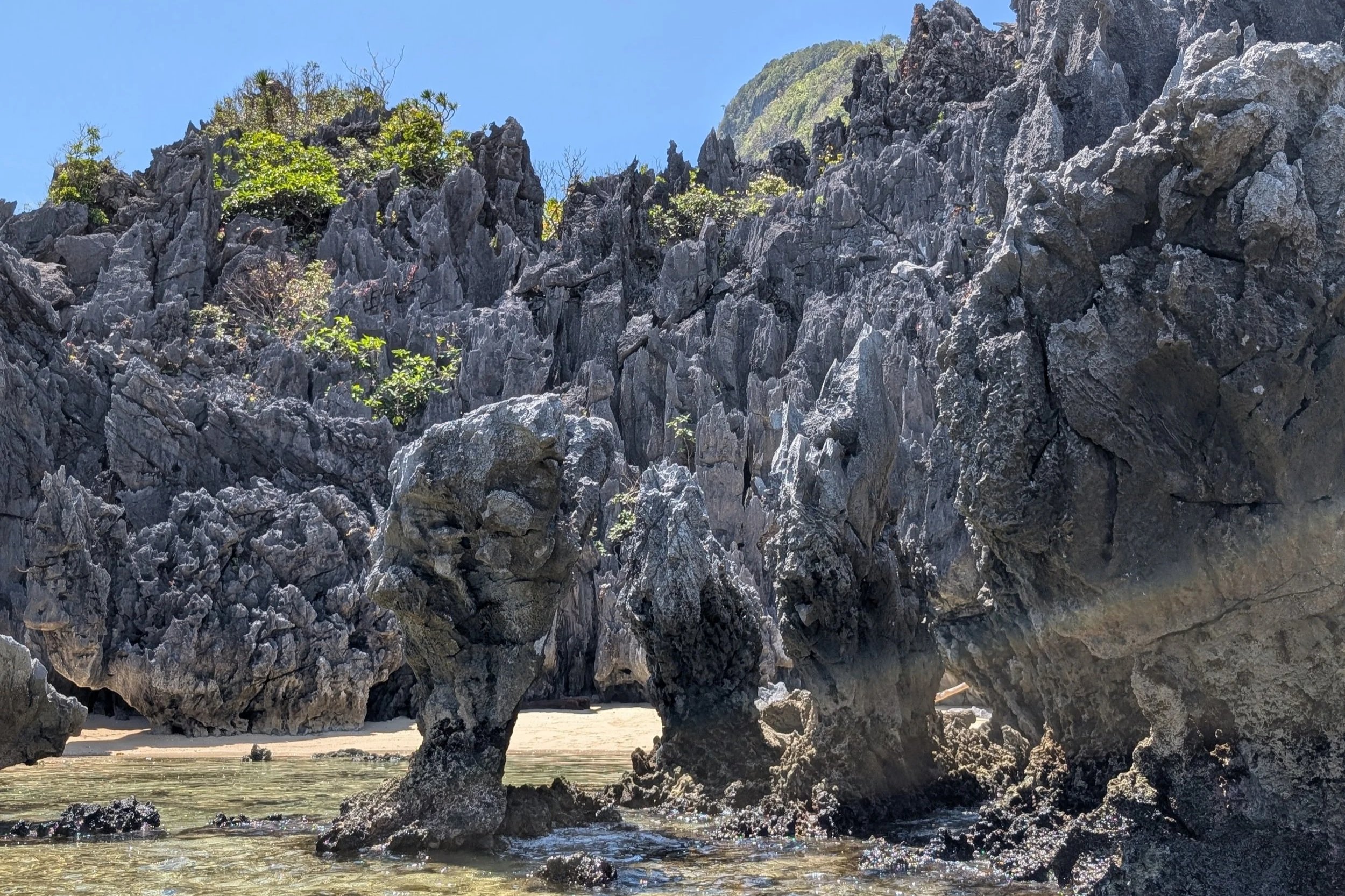
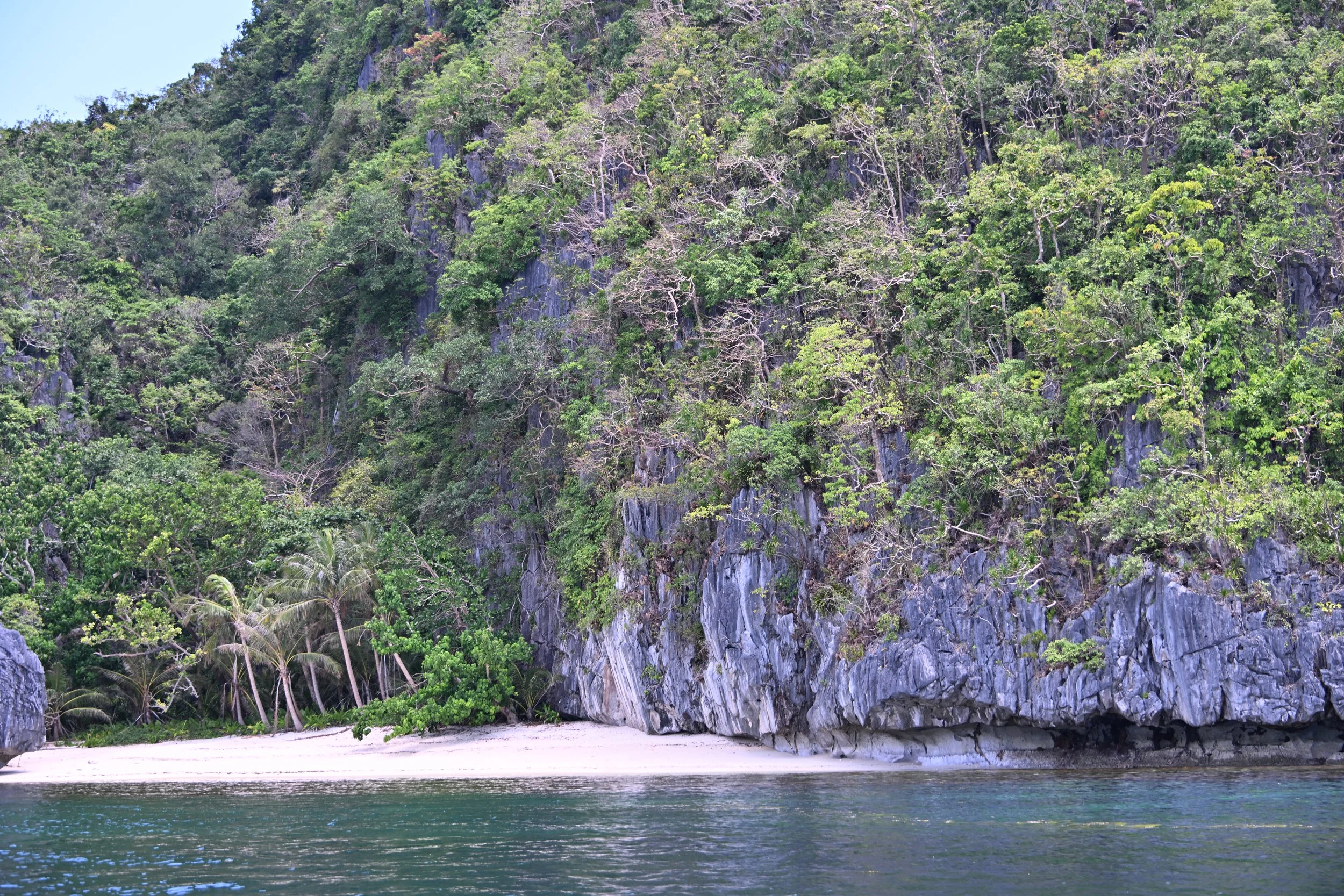
… and we were quickly introduced to the karst making up the islands, and the beautiful beaches they held.

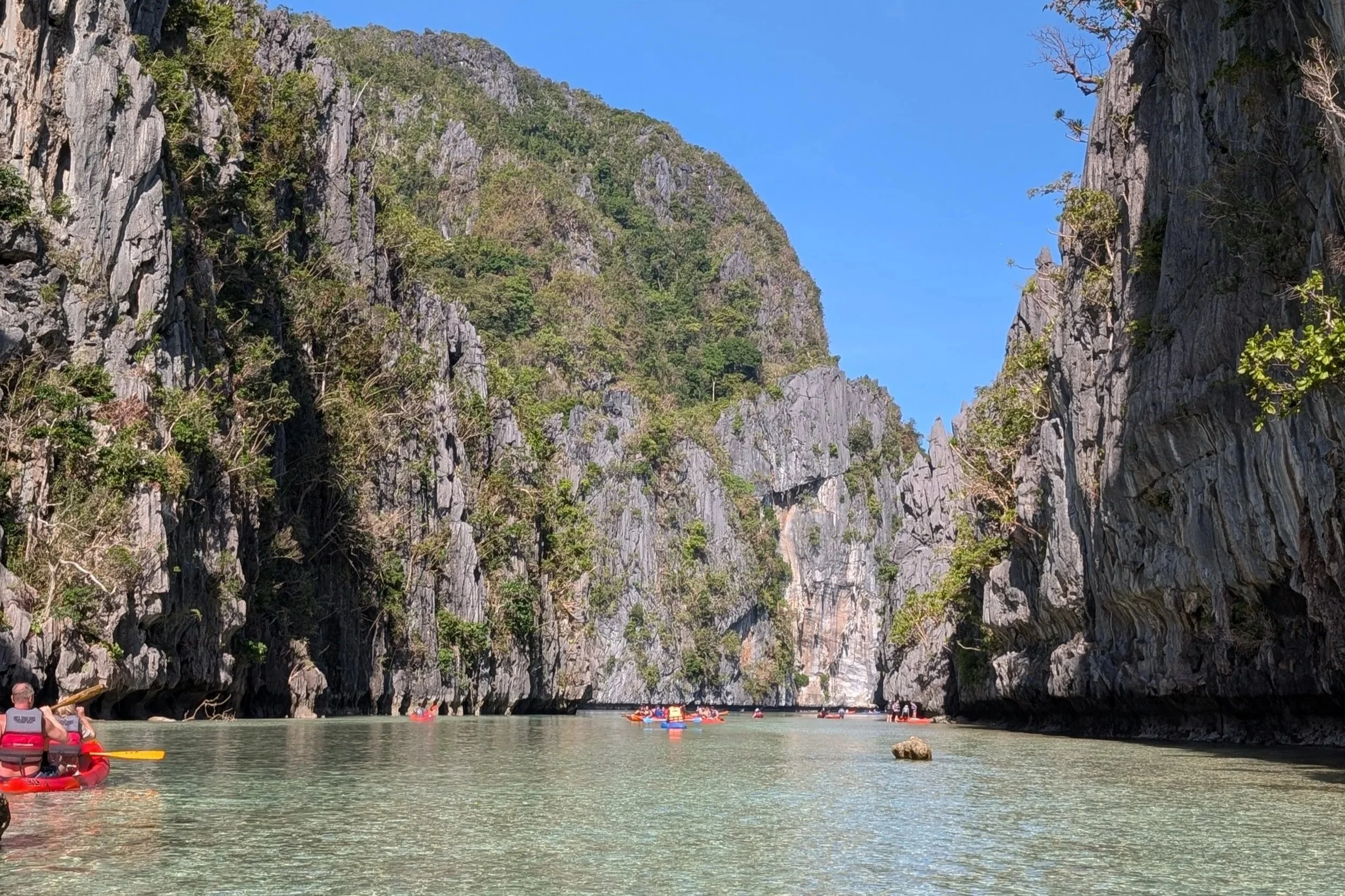
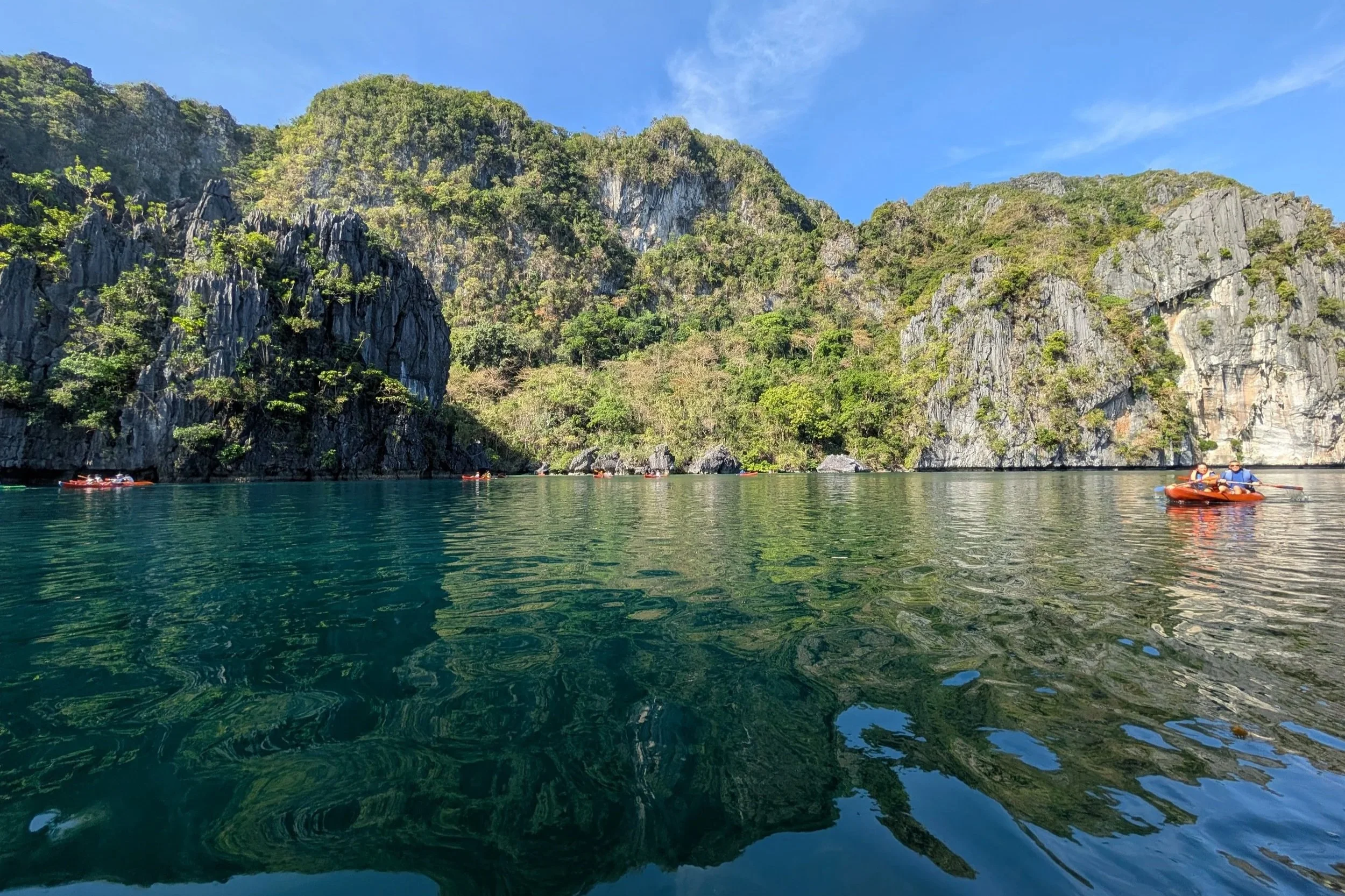
Our first stop was to Big Lagoon, sharing with about 20-30 other kayaks…

… but there was plenty of room for everyone -

The color contrasts of the water, sky and rock were quite beautiful -

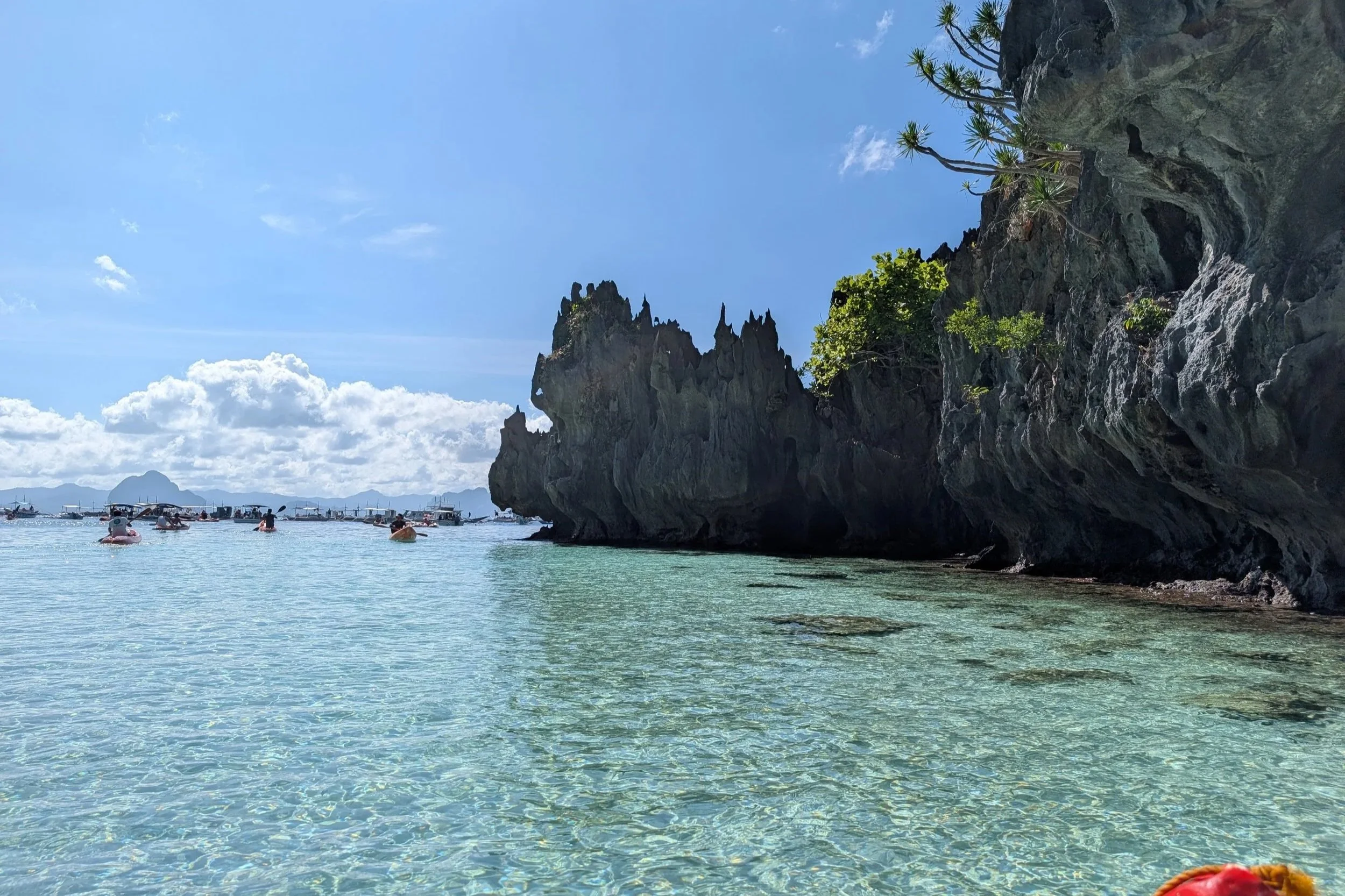
As we headed out of Big Lagoon, we were shocked to see that many more boats had come in -

I thought the rock formation in front of us looked like a Frogfish with its mouth open

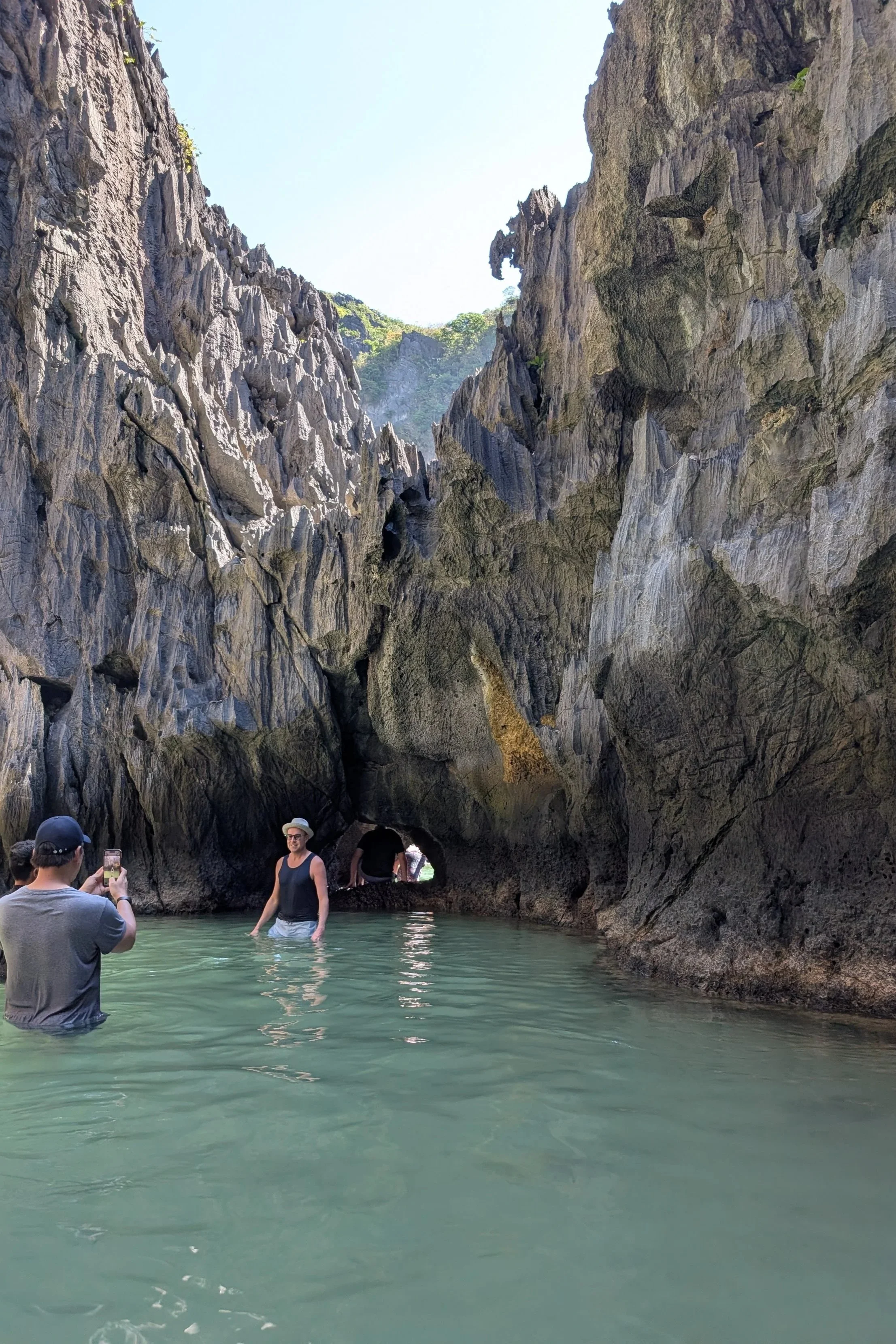
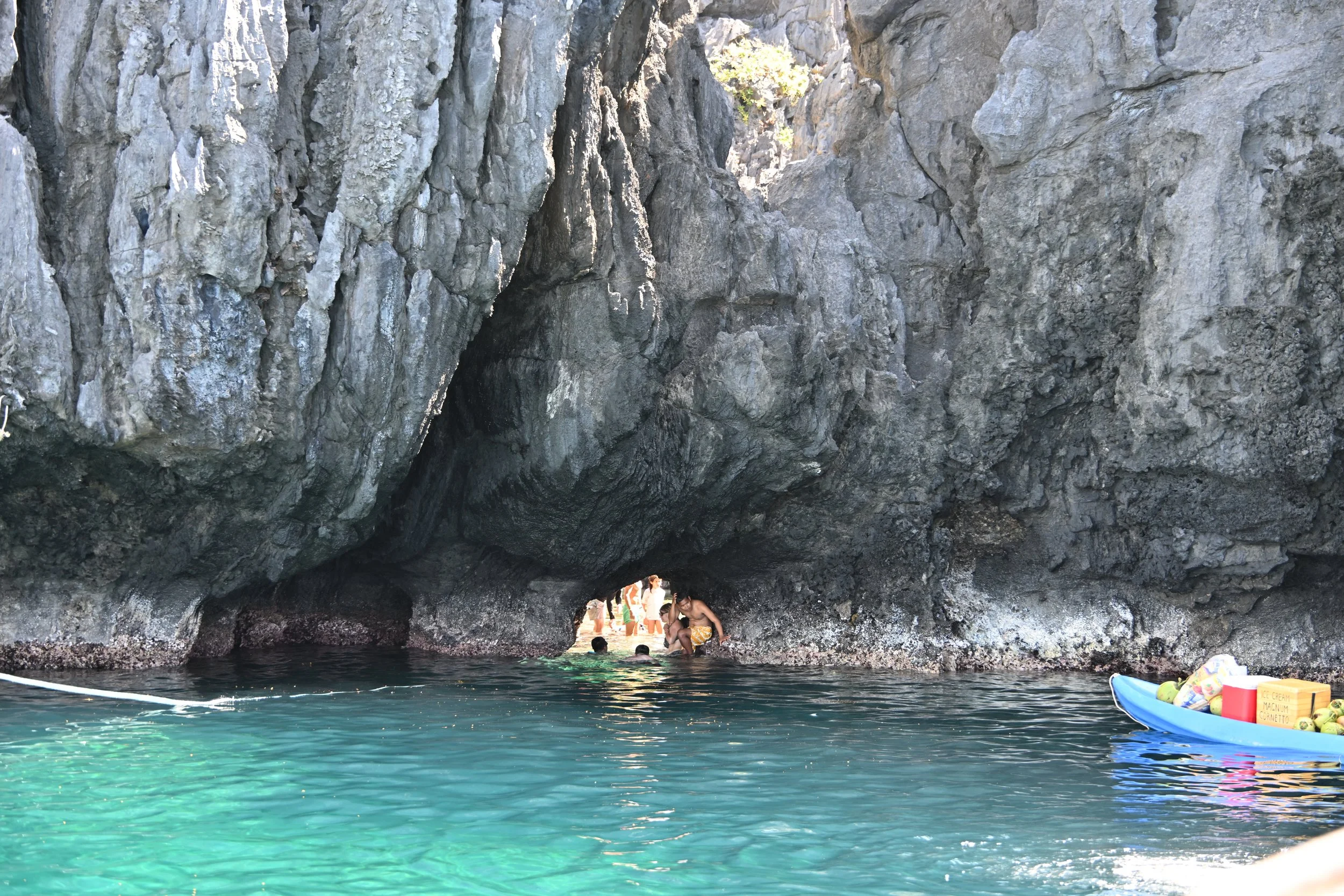
Next up was Secret Lagoon, where you had to crawl through a hole in the rock to reach it -

It was really pretty inside, and I was very happy that our guide got us there early…

… before all the crowds lined up waiting to get in -

At our next destination, Secret Beach, the boat dropped us off in deep water and we had to swim through that opening in the rock that you can see as a bright spot in the center of the following picture, just behind the two snorkelers.

I jumped off and made my way there, only to remember belatedly that I had forgotten my underwater camera on the boat! It was a really pretty beach, but I don’t have photographic evidence of it. Sorry. Here is a close-up of the swim-through entrance -

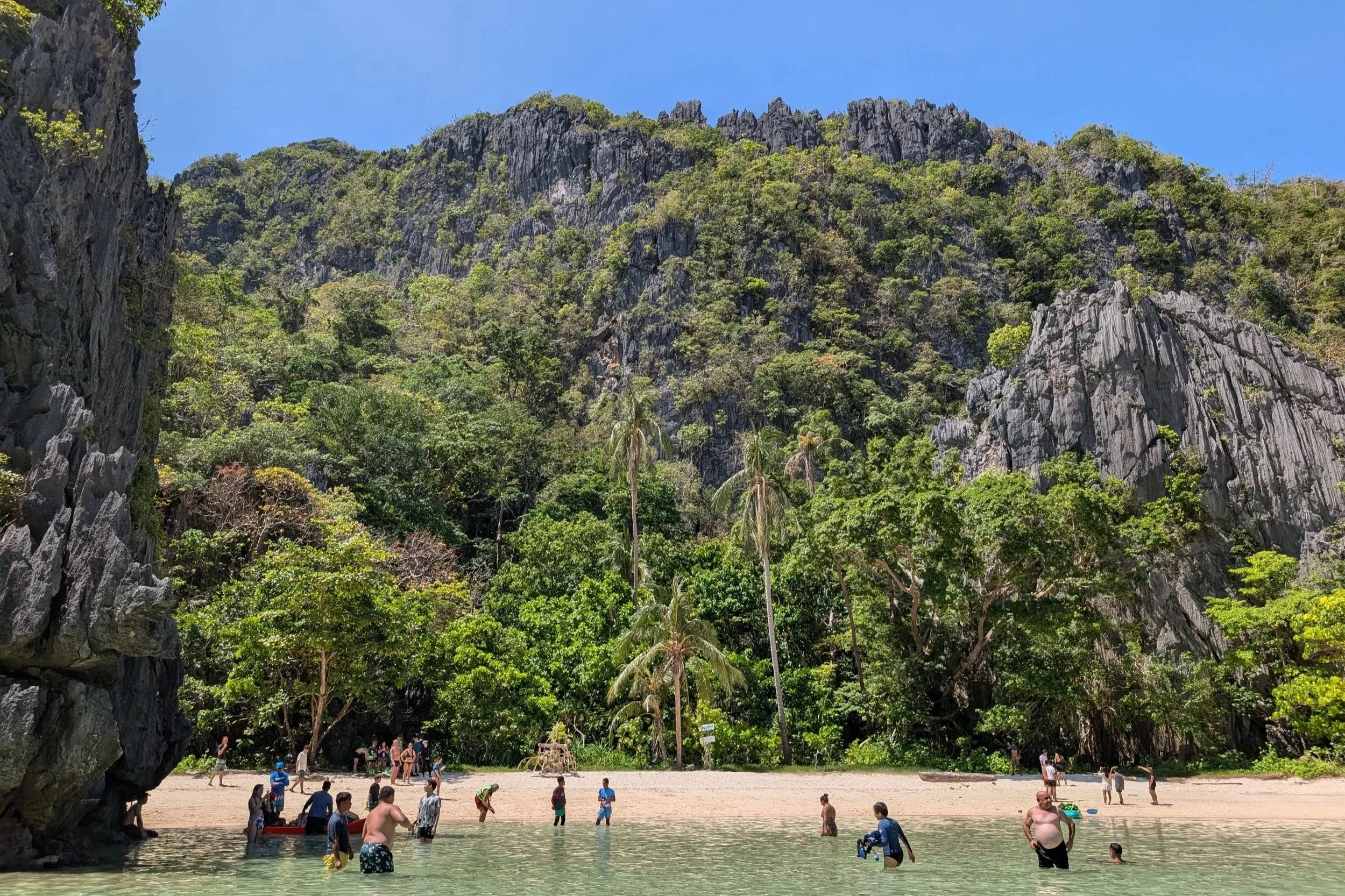
The tourist industry here really has a thing for concealed treasures, as our next stop was to Hidden Beach. The boat dropped you off and you waded in to…

… a nice broad beach, where apparently a season of “Survivor” was filmed. Our guide proudly had us keep wading around a corner to find what we dubbed the “super secret beach” -

I had forgotten to mention that we stopped to snorkel near Shimizu Island…

… but it was completely unimpressive, so enough said.

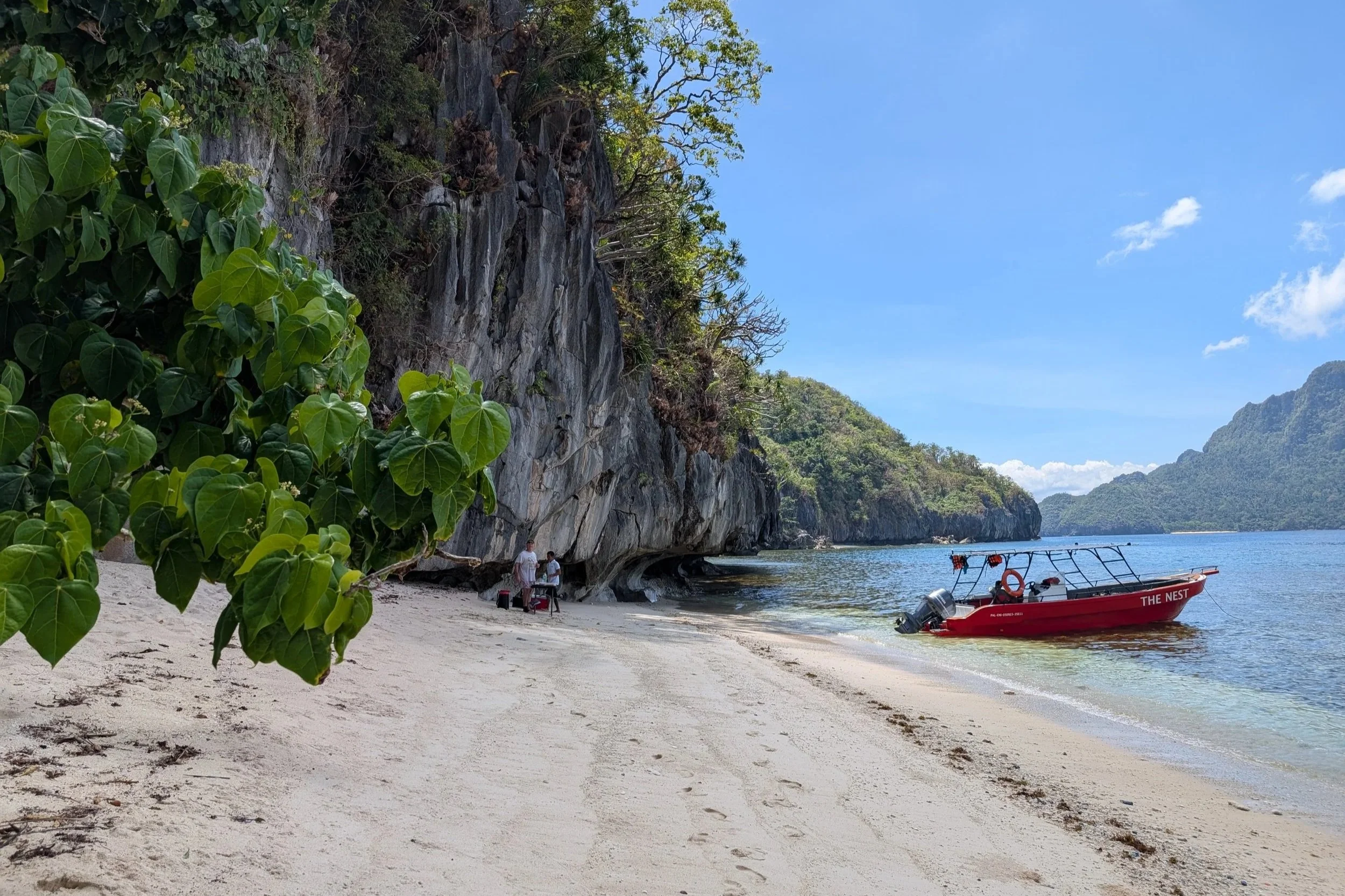
Our guide took us to a quiet little beach that the other tour boats don’t use…

… where we had a private lunch with peace and quiet -

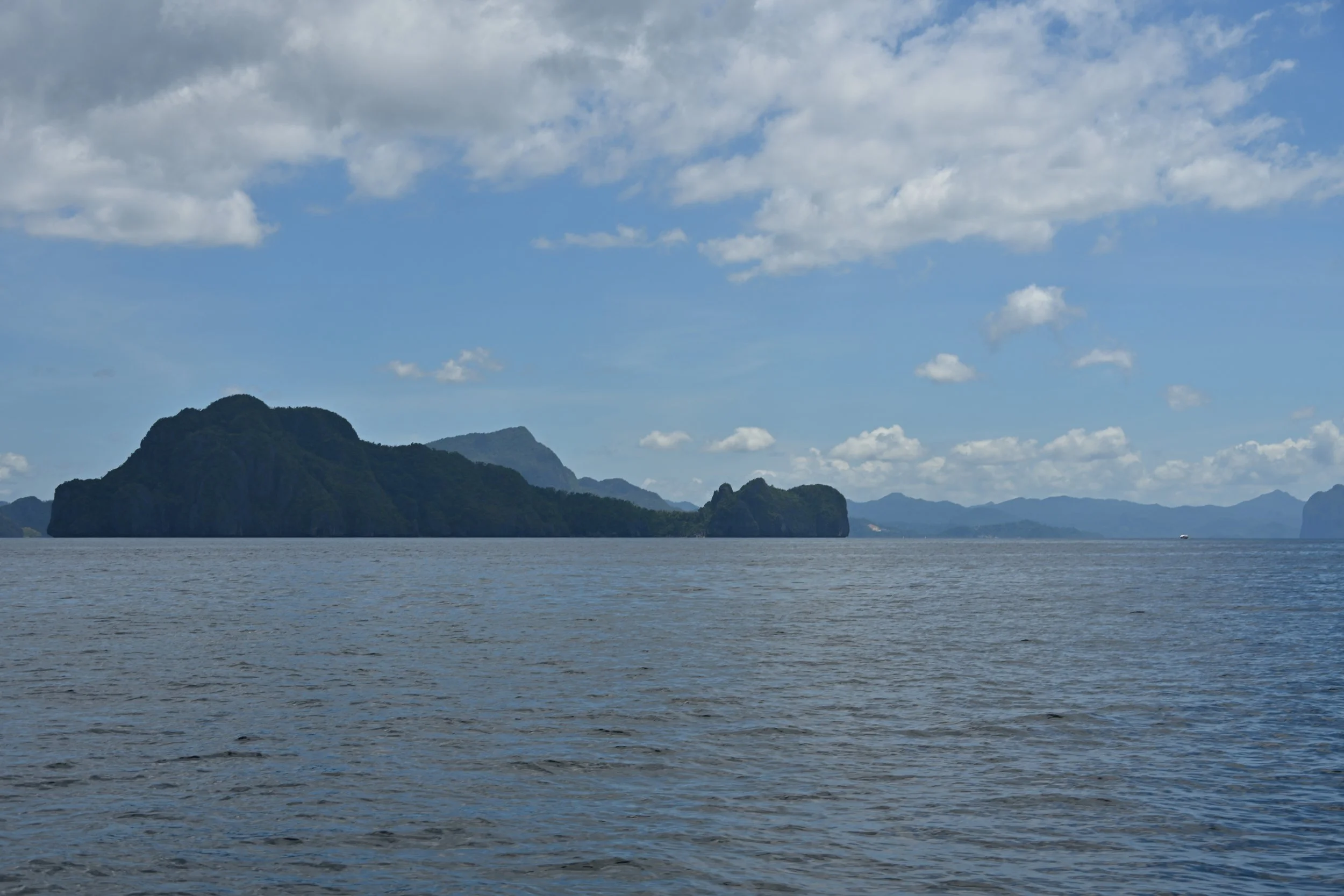
As we went by Helicopter Island, we were offered another snorkeling episode, but we declined. The island is so named as it is supposed to resemble a helicopter, but I personally thought it looked like the Moai statues on Easter Island -

We finished up early, as we didn’t spend the hours snorkeling or beach walking/lounging, so we got to visit Cadlao Lagoon (which isn’t included in the set tours we had booked) -

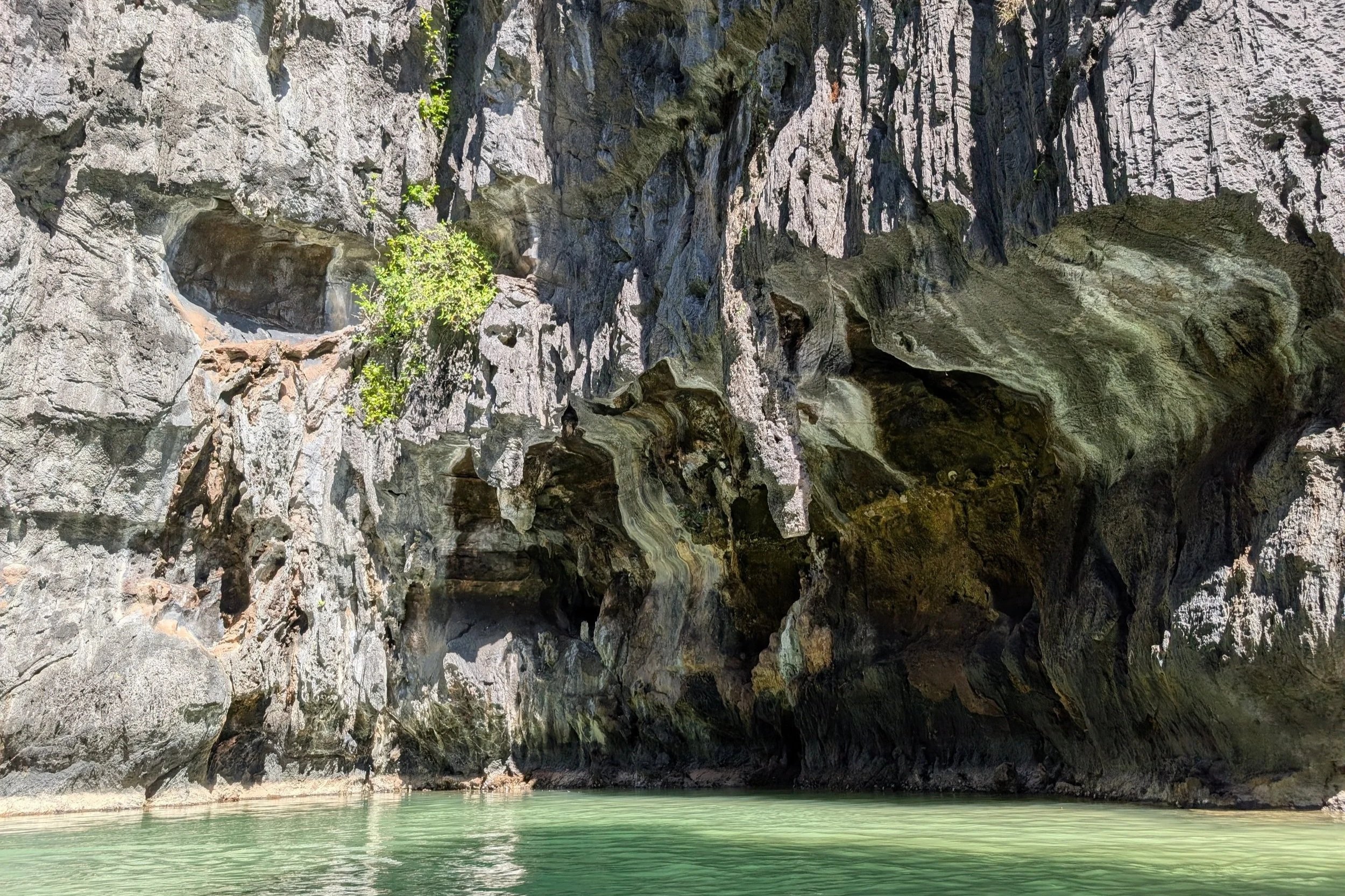
I thought these were the most impressive karst formations that we saw

We then headed back to El Nido…

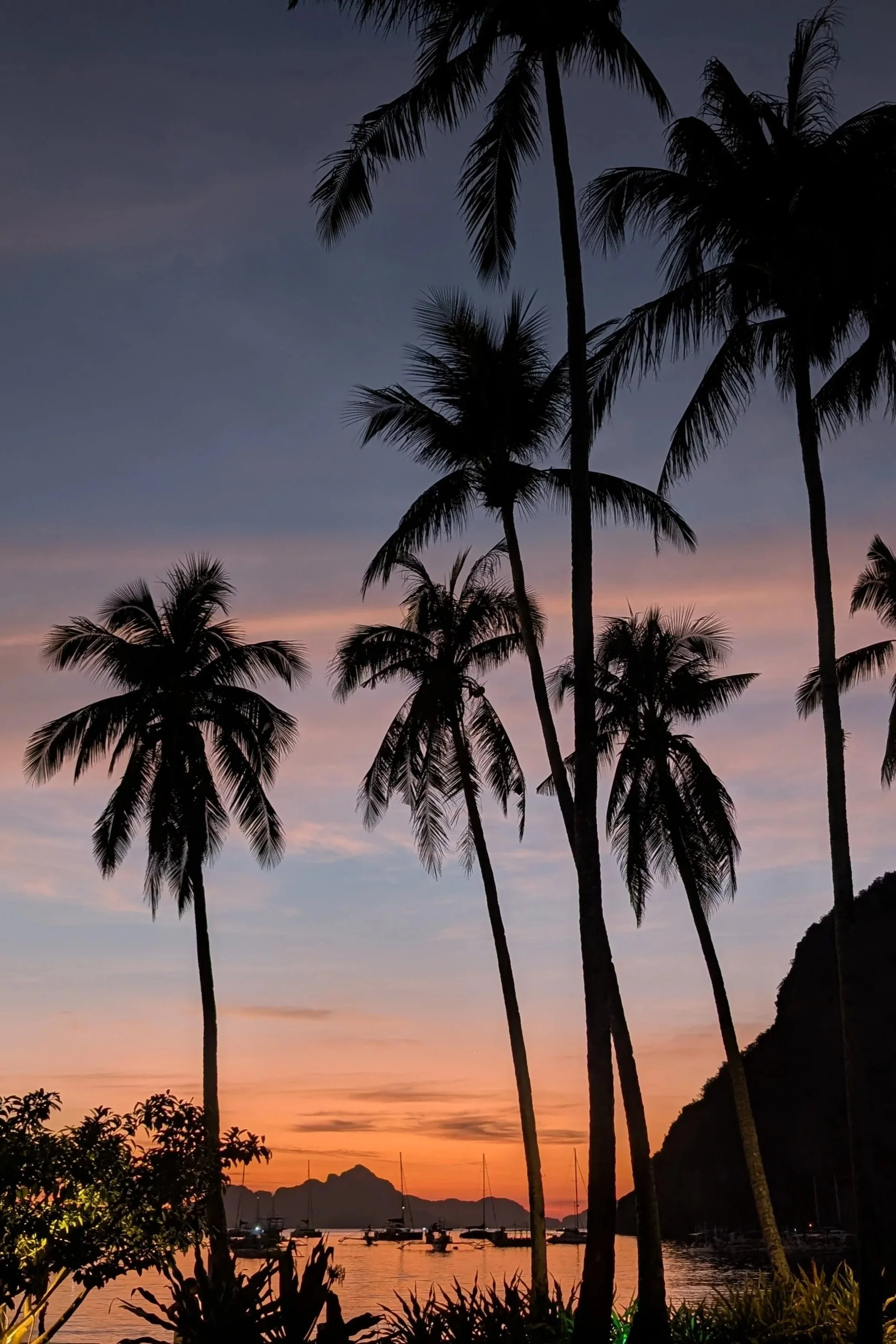
… and relaxed with a gorgeous sunset.

More diving...

I did tell you that this was a diving trip, didn’t I? I chose Anilao for both the tiny critters, as well as the chance to do Blackwater diving. This is done after dark in 300-600 ft of water! A lighted buoy is tossed overboard, with very bright lights attached to a line beneath it at 15 ft intervals, down to 60 ft. You then float at your chosen depth to see (and hopefully photograph) the weird and larval creatures that come up from the depths. I couldn’t get stills under these conditions, but I was able to capture several neat videos, as did Steve. As usual, be sure to open this post in your browser or click the link at the end, to be able to watch the videos.

It really felt like we were floating in space, and just watching for neat things to swim through our light beams. Steve filmed me hunting, so you can have some sense of the experience. And no, it wasn’t scary. You just have to be an advanced diver able to maintain your buoyancy without visual clues (like the bottom).

I have no idea what this is, but I loved its shimmy -

The next one definitely resembled a spaceship to me -

An Argonaut (also called a Paper Nautilus) is a pelagic (open sea) octopus. They live near the surface and are commonly found attached to leaves or sticks. Their shells are used to trap air and brood eggs. The first video is mine, and the second is Steve’s (he slowed it down so you might catch its movement a little better) -

Two more videos, and then I’ll move away from the Blackwater. The first resembles long line fishing…

… while the second turned out to be a short, spontaneous variety show -

I was just so thrilled with my camera, both with the clarity of the stills as well as of the videos. Previously, I had always used Steve’s videos to show the action and behavior that I couldn’t capture with stills. My camera is best for the little things close up, and it performs exceptionally well on video - if I can hold still, which is easier said than done when swimming or fighting currents.

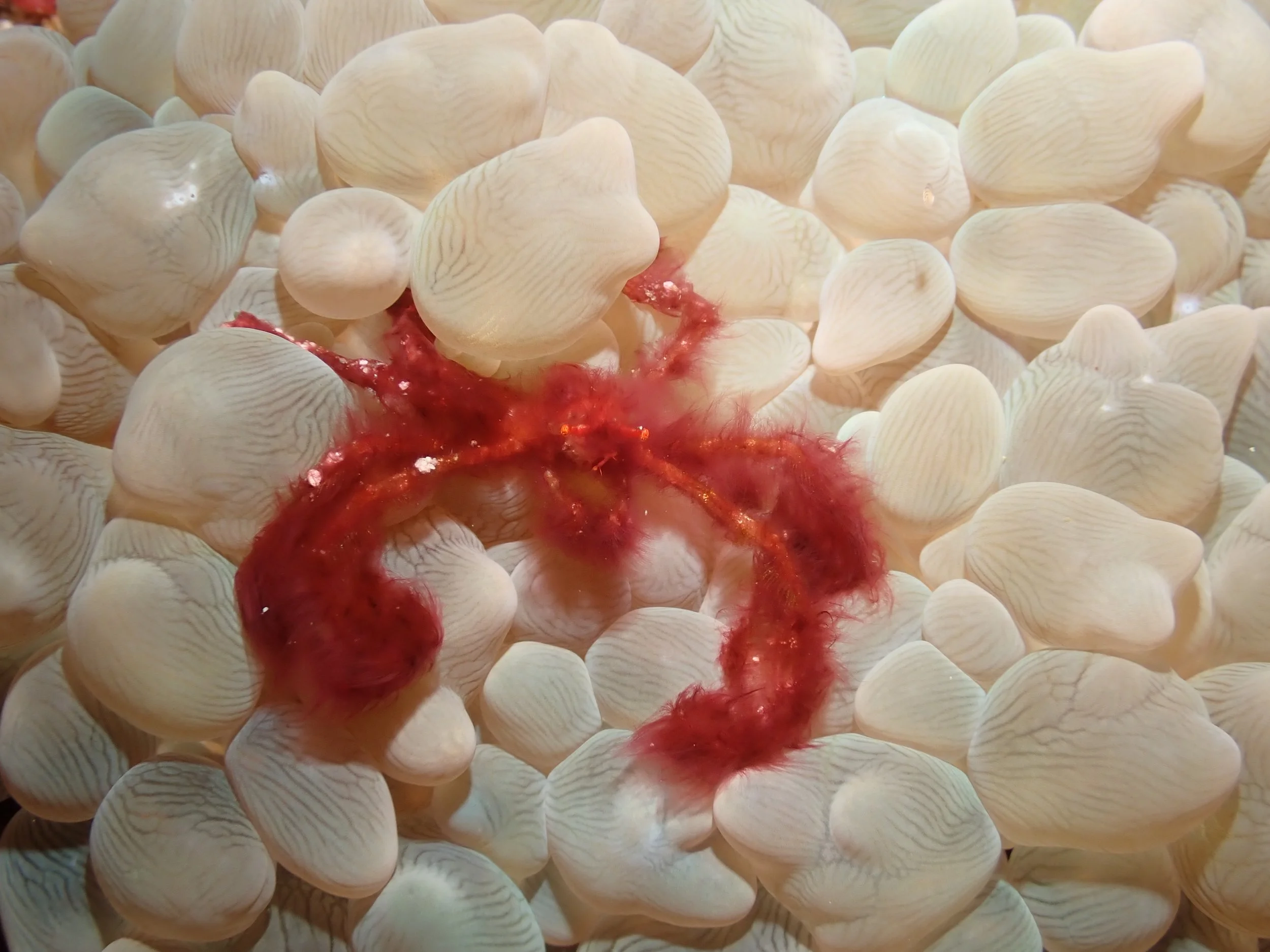
Orangutan Crab in Bubble Coral

That guy above was the best posed and most visible specimen I had ever seen! I bet you can easily figure out how it got its name.

Sometimes anemones ball up and leave little room for the resident “clown fish” to hang out -

False Clown anemonefish

This was the only Cuttlefish we saw in 10 days -

On a night dive in a mucky shallow bay, we found this little octopus gliding along -

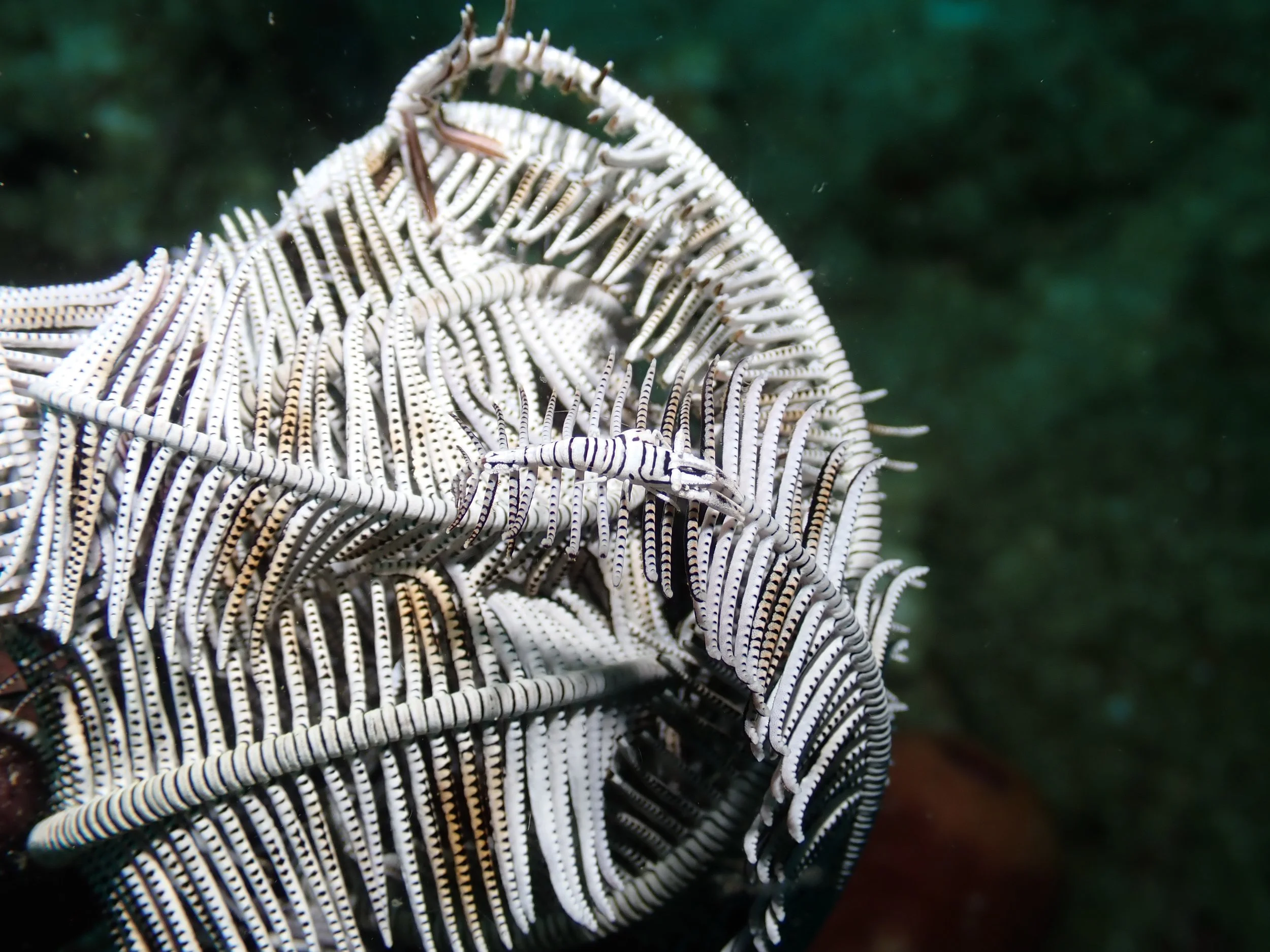
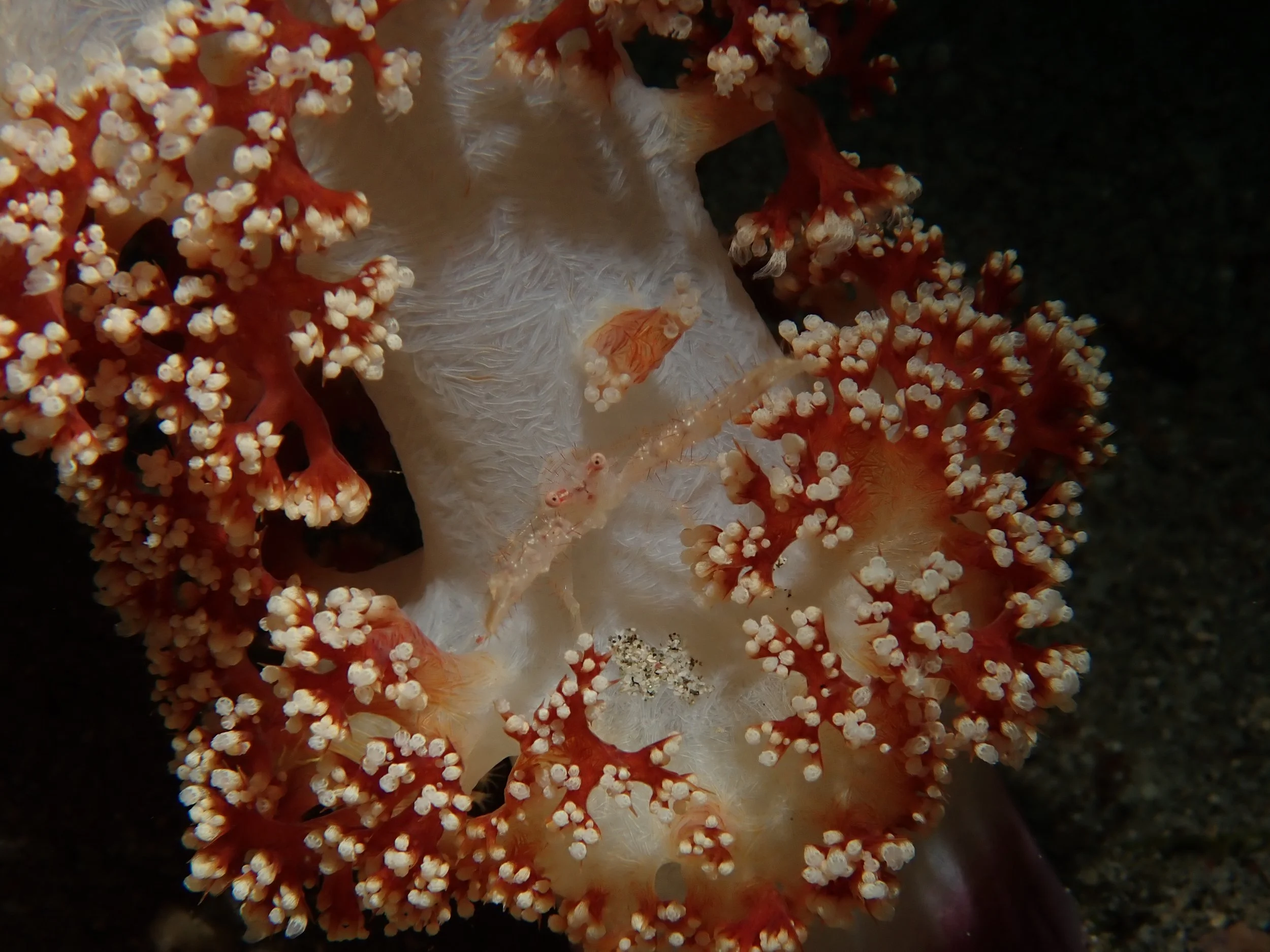
Can you spot the Crinoid Shrimp in the next picture?

Hint: check the center of the photo

The Warty Frogfish was not worried about camouflage…

… nor was he in a hurry -

We’ve seen large schools of Striped Catfish before, but we had never seen this activity - churning up the sand, leaving a cloud surrounding and behind them. Check out the placid response of the Flounder at the beginning -

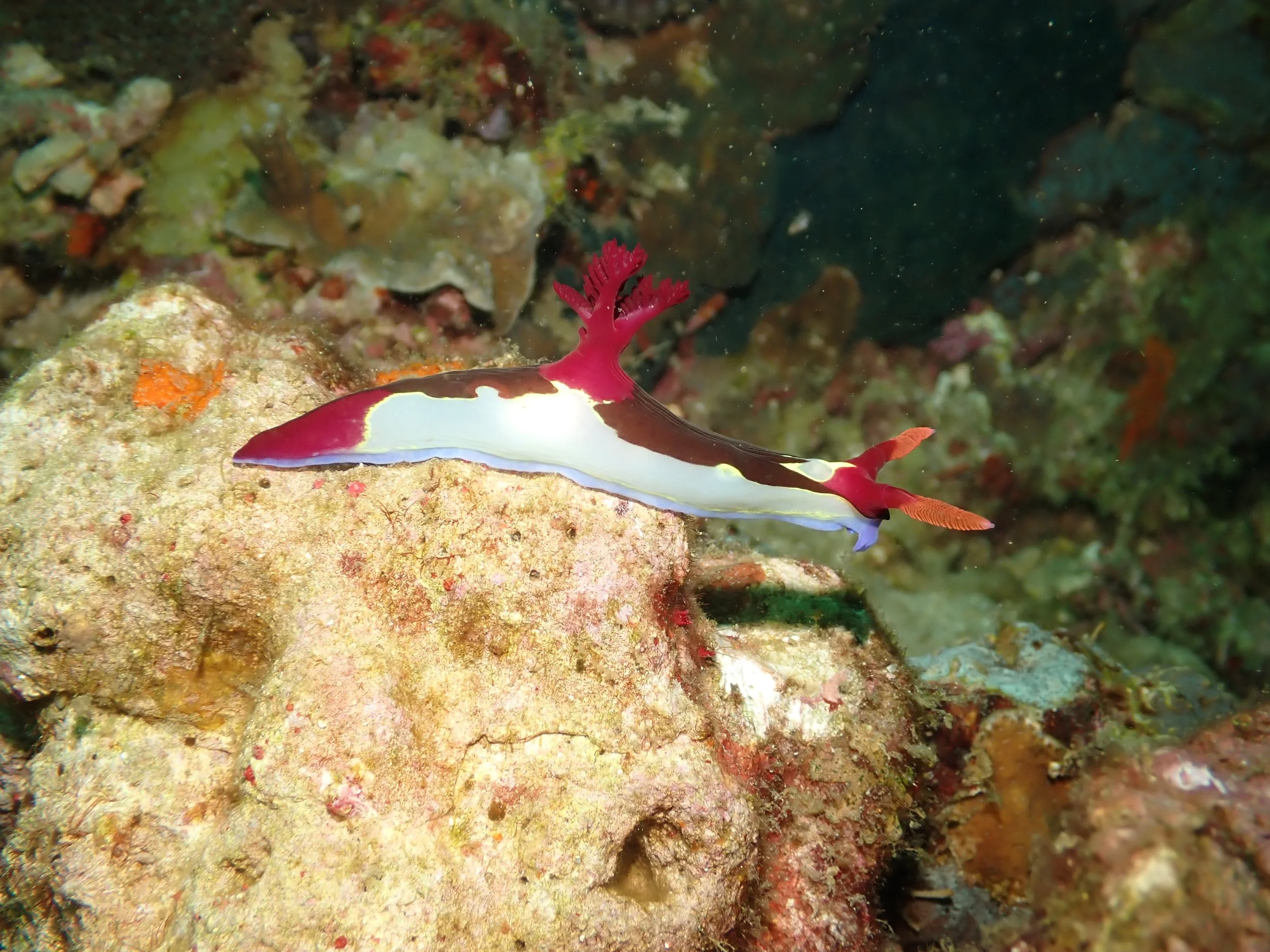
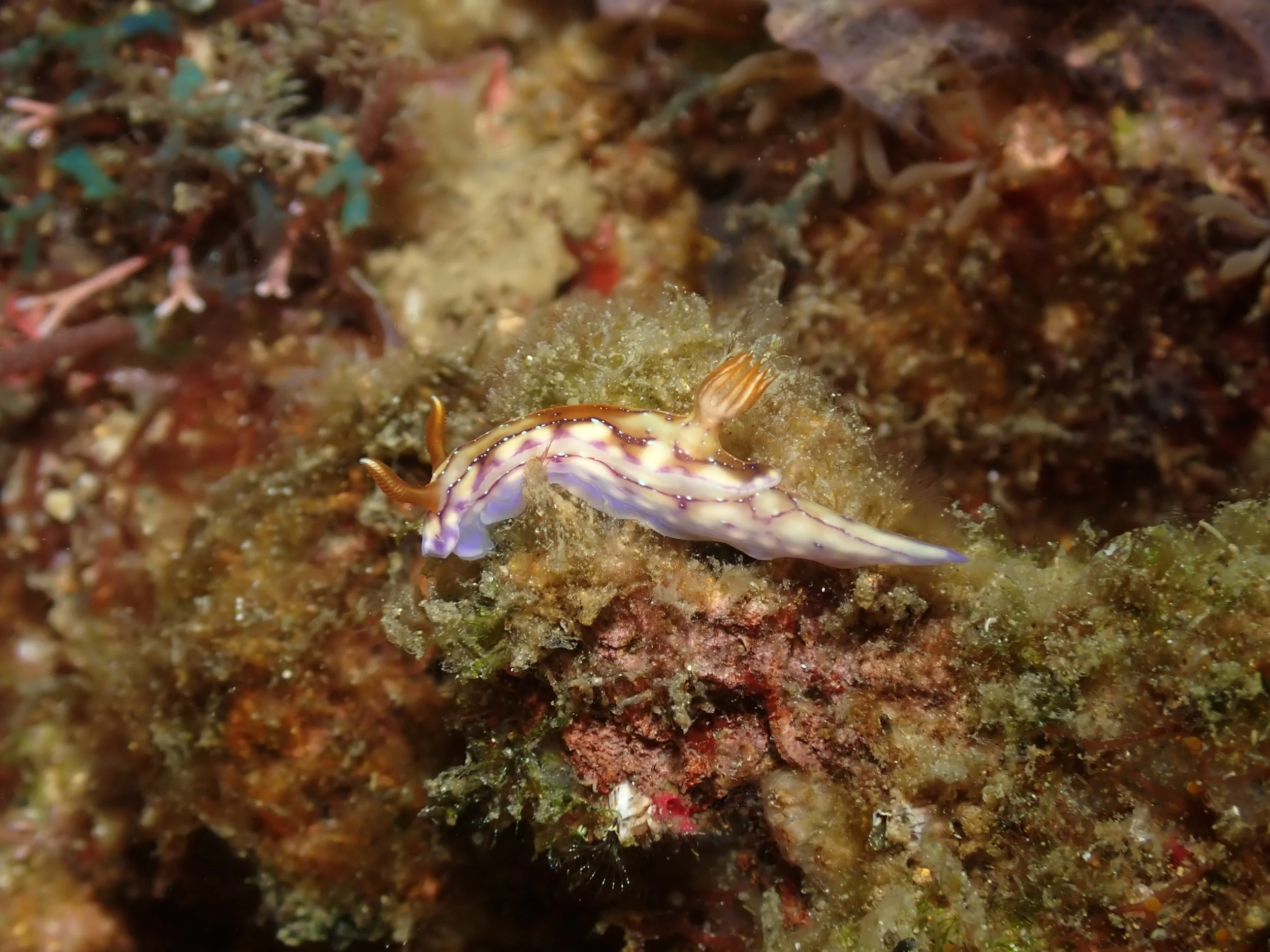
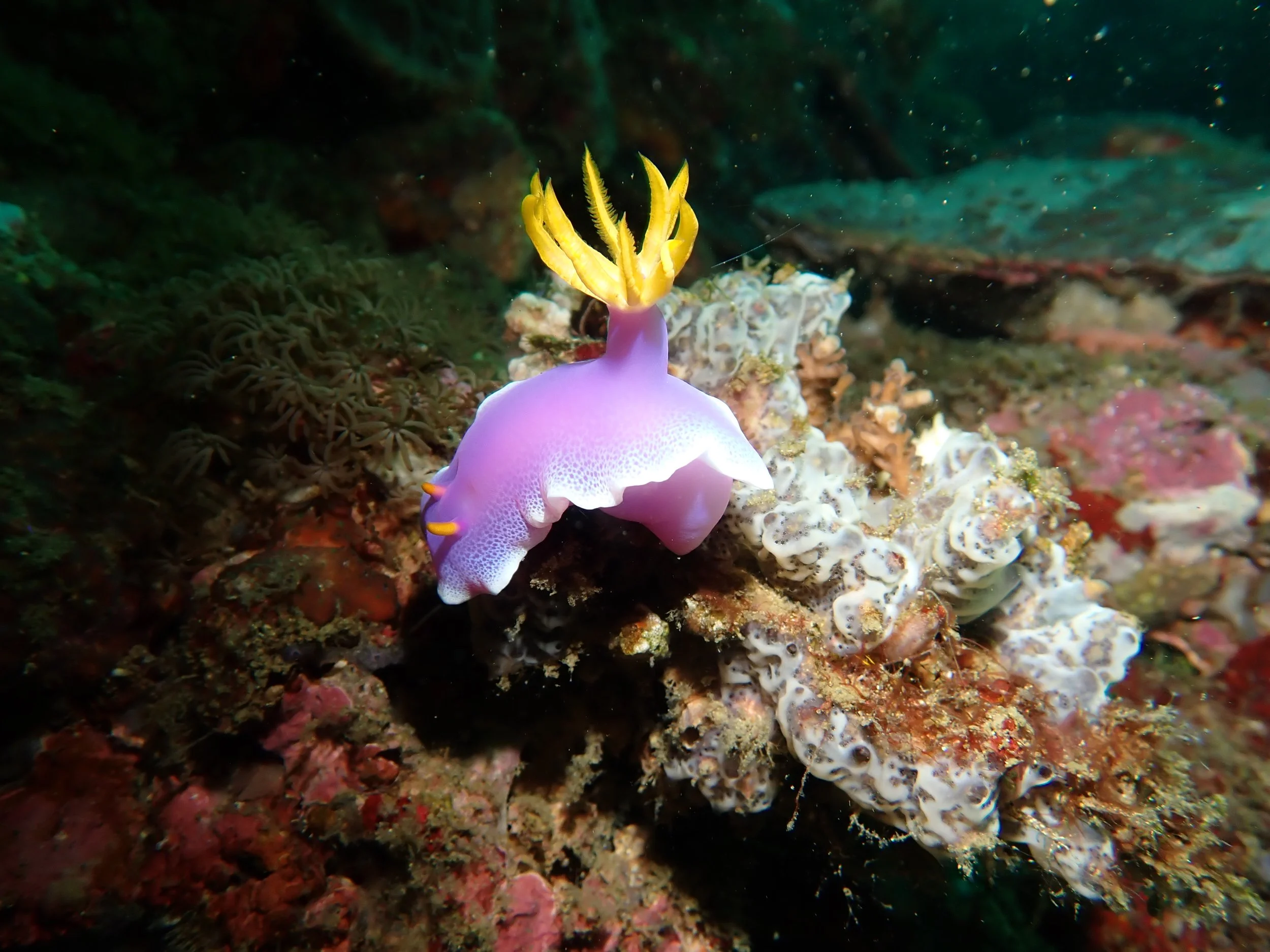
I think this was my favorite type of nudi because it’s big enough for me to find on my own (4 - 5 inches), and it was so colorful -

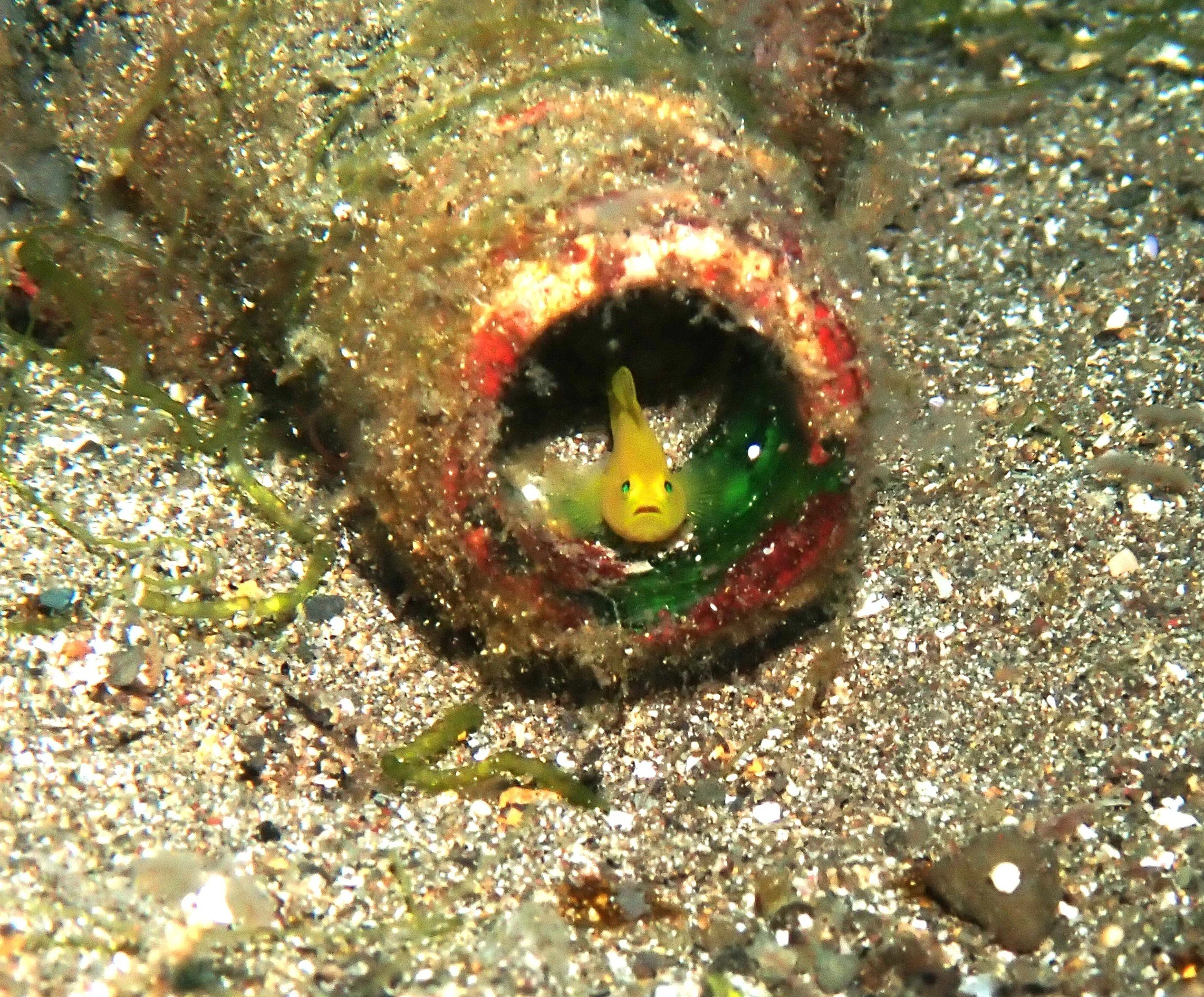
Now, this Ornate Goby says Enough! Goodbye!

Anilao diving continued

I just have so many neat or beautiful subjects that I want to share with you. Hopefully you won’t be too bored…

I’ll open with a video (my usual instruction - to be able to watch it, be sure and open this post in your browser or click the link at the bottom of the page). We’ve seen many large and colorful scallops during dives, but never an Electric Scallop!

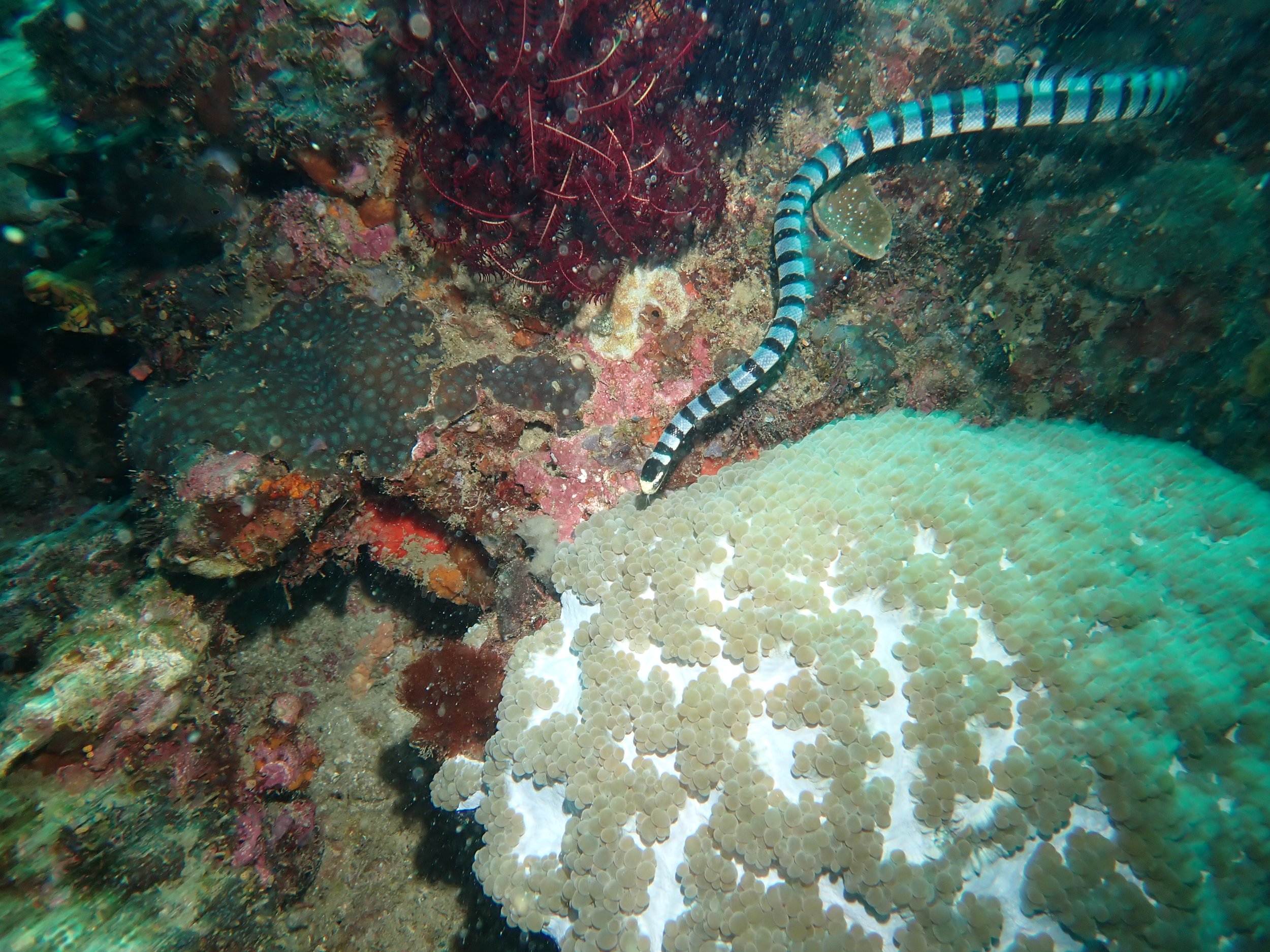
The next one isn’t the greatest picture, but this Banded Sea Snake is a very unusual sighting for us -

A fairly common activity for us to watch on sandy seafloors is the interaction between the Spotted Shrimpgoby and the shrimp that shares its burrow -

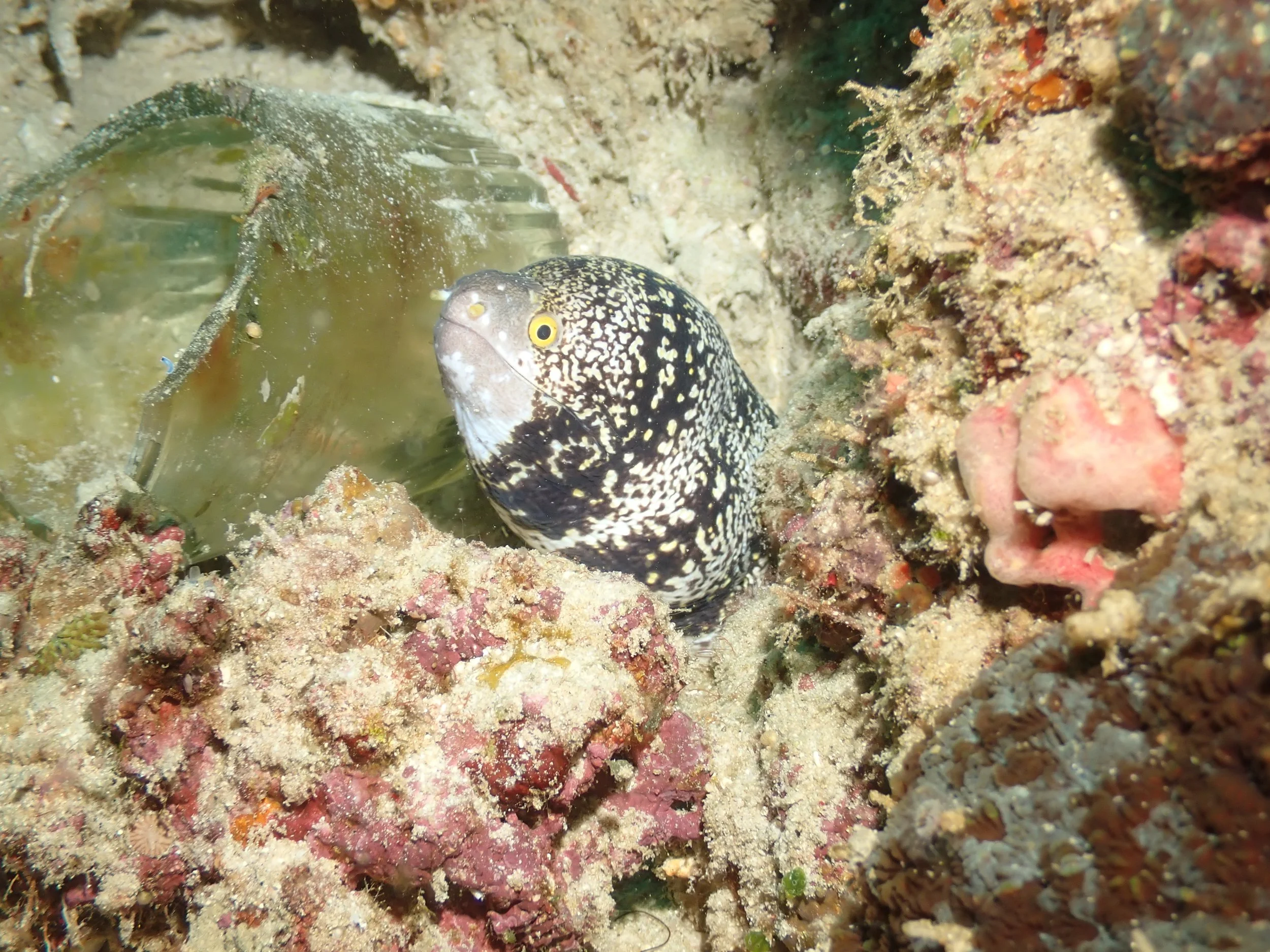
We saw tons of eels on this trip, many species for the first time, such as this Snowflake Eel -

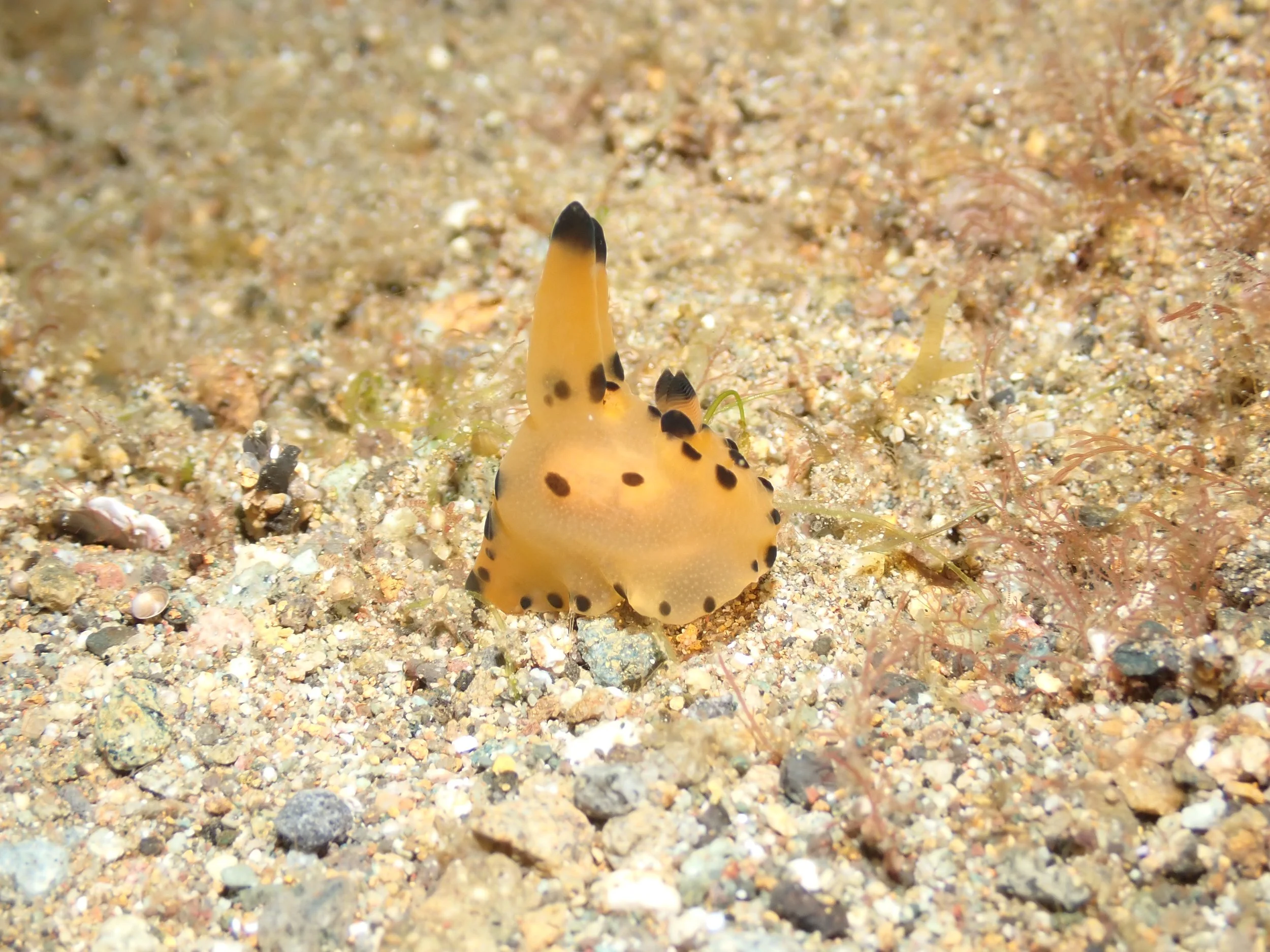
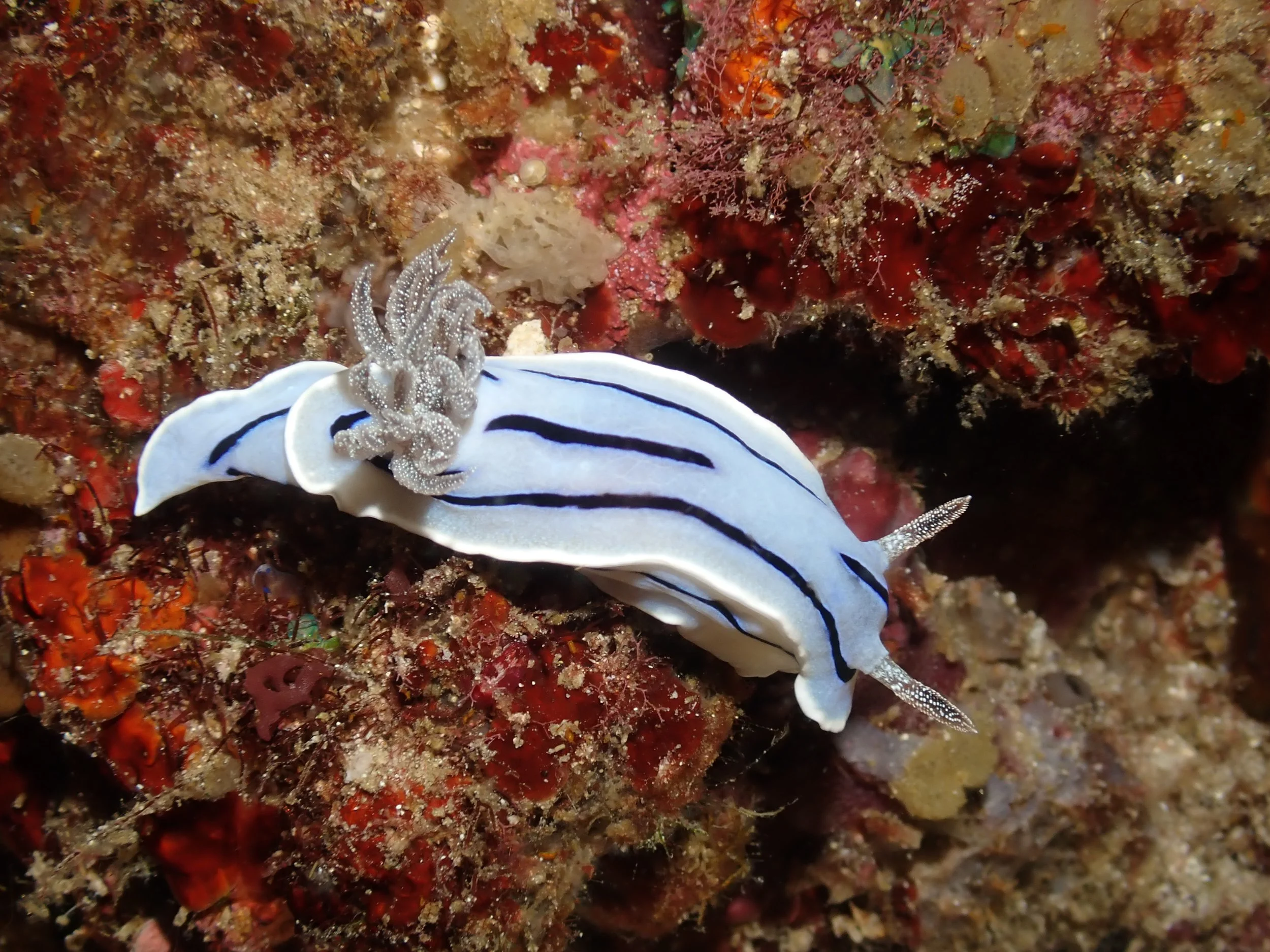
Moving from big critters back to the pretty nudibranchs…

… Pikachu may be only an inch long, but he sure gave me big smiles.

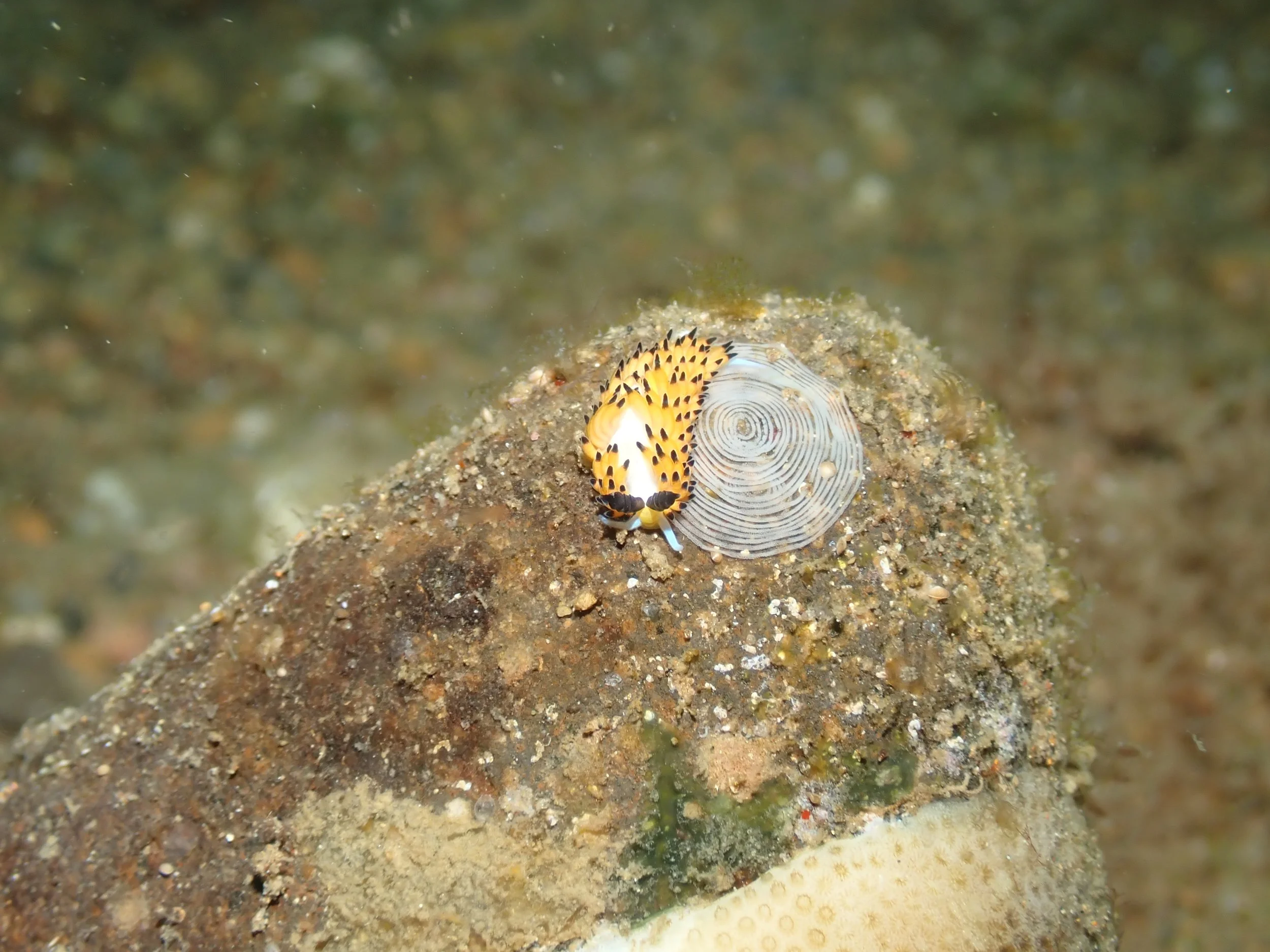
We were amazed at how many different nudis were laying eggs…

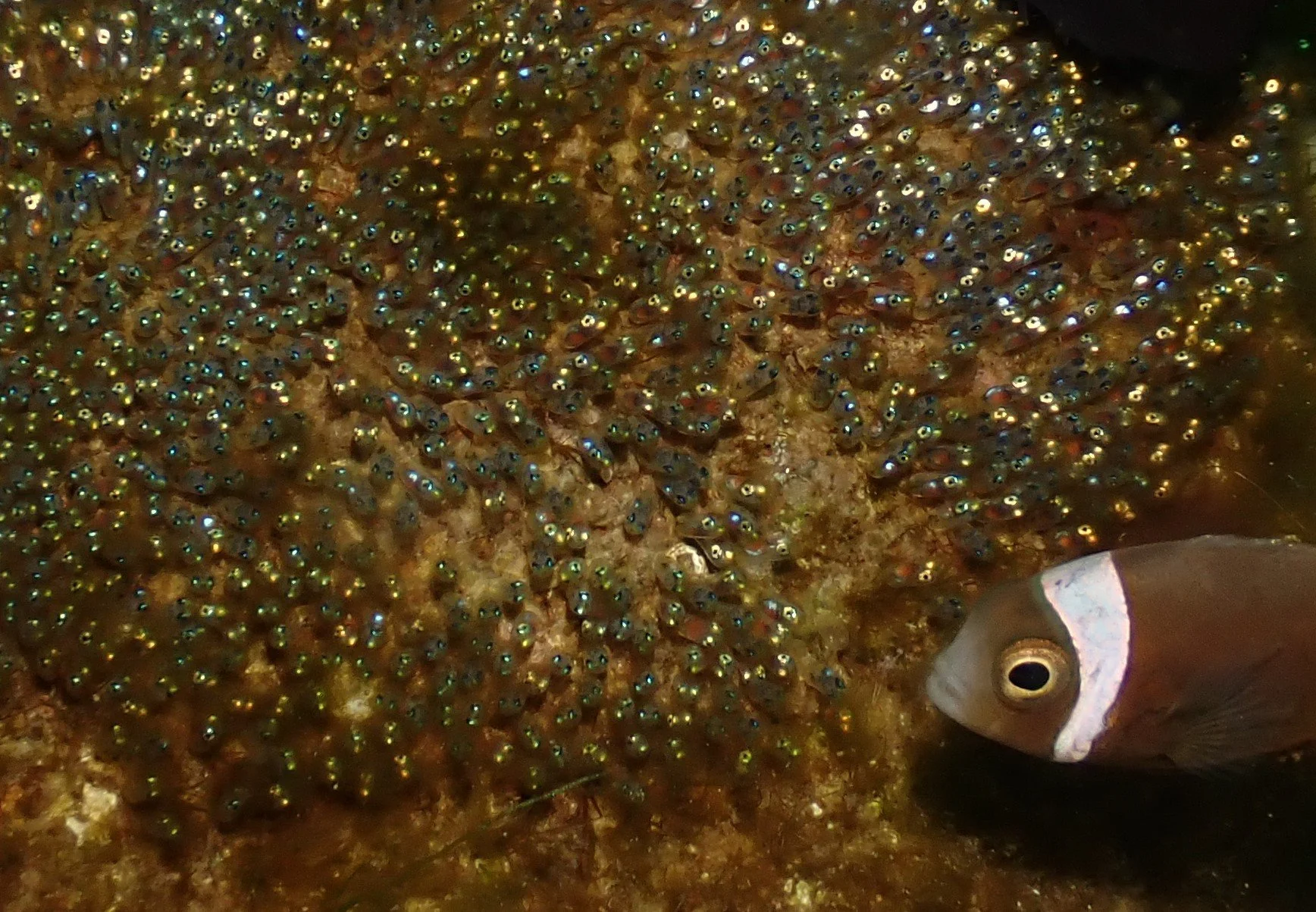
… and we also got to see a Saddleback Anemonefish tending to its eggs -

Here’s a still where you can see the growing babies attached to the rock -

Oops! I got carried away with eggs, and forgot I was talking about nudis. This beauty made me think of my granddaughters and their love of sparkly things -

And yet another sparkler…

… followed by a massive specimen. This one was as big as my palm!

Most nudis were in the 1-2 inch range (although our guides delighted in pointing out ones as small as 1/4 inch, and I could only see them when I put my photos on my computer and blew them up). I enjoyed getting down on the nudi’s level to take their picture -

I definitely had to lay on the sand to get this Thorny Seahorse -

I’m sorry for the green cast on the next video. I was having issues with my camera that day. I loved watching him trying to land safely -

This was a very unusual nudi, with all sharp corners and straight lines…

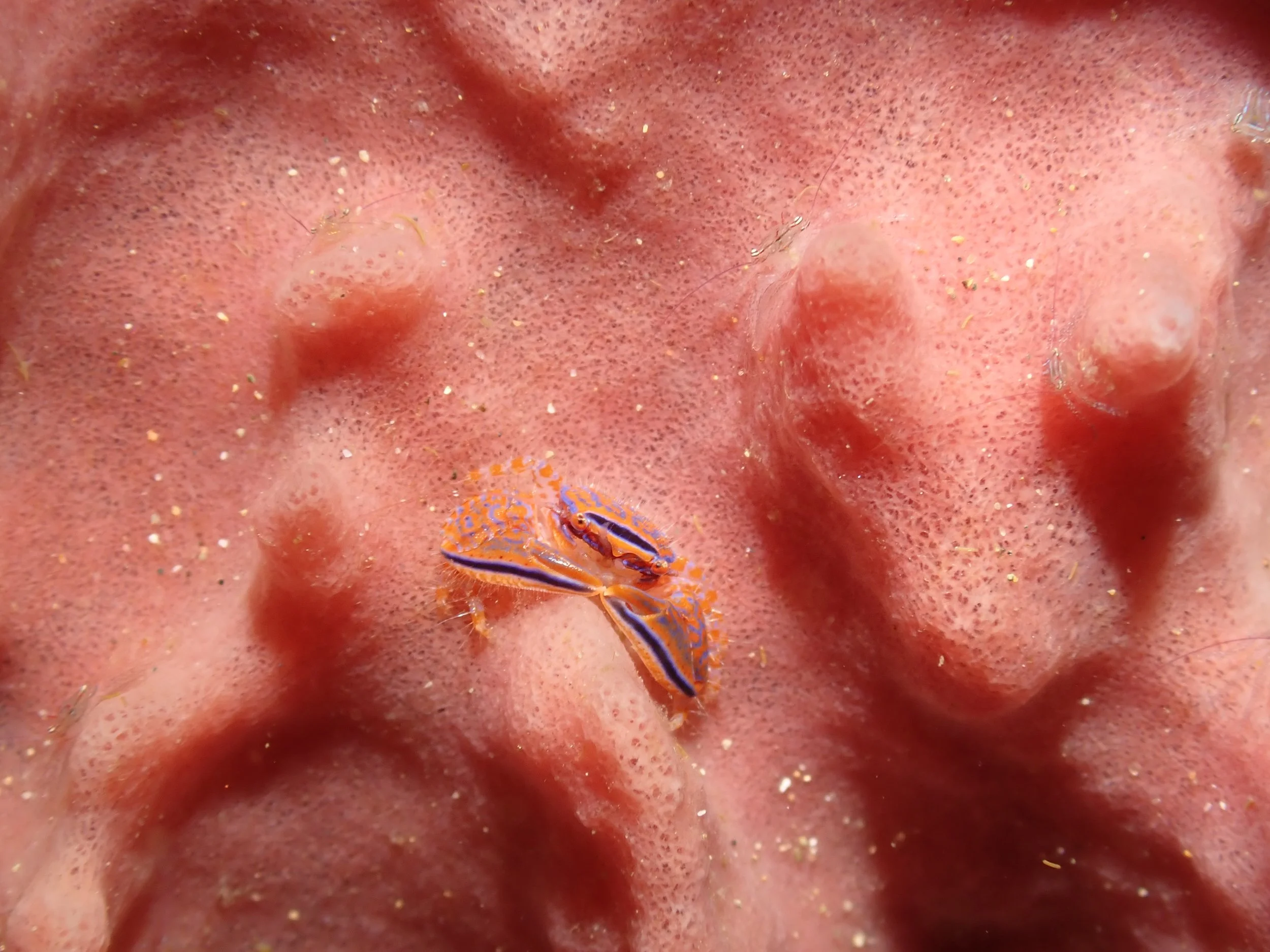
… and this Soft Coral Crab playing tough guy made me giggle, because he’s only about an inch wide -

Here’s another tiny beauty - a Spotted Crab on the outside of a barrel sponge:

Alright… enough for today… bye!

The Philippines

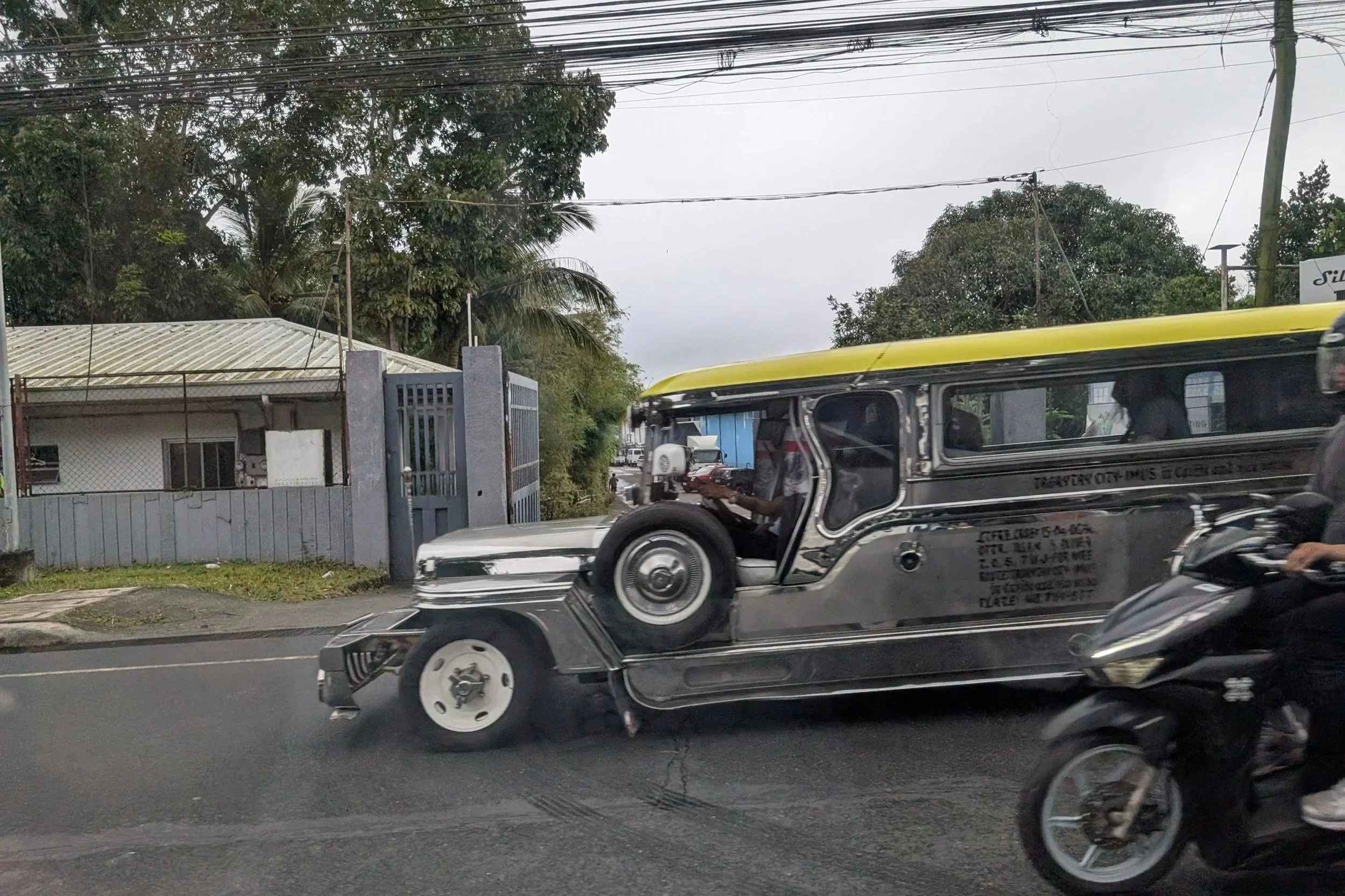
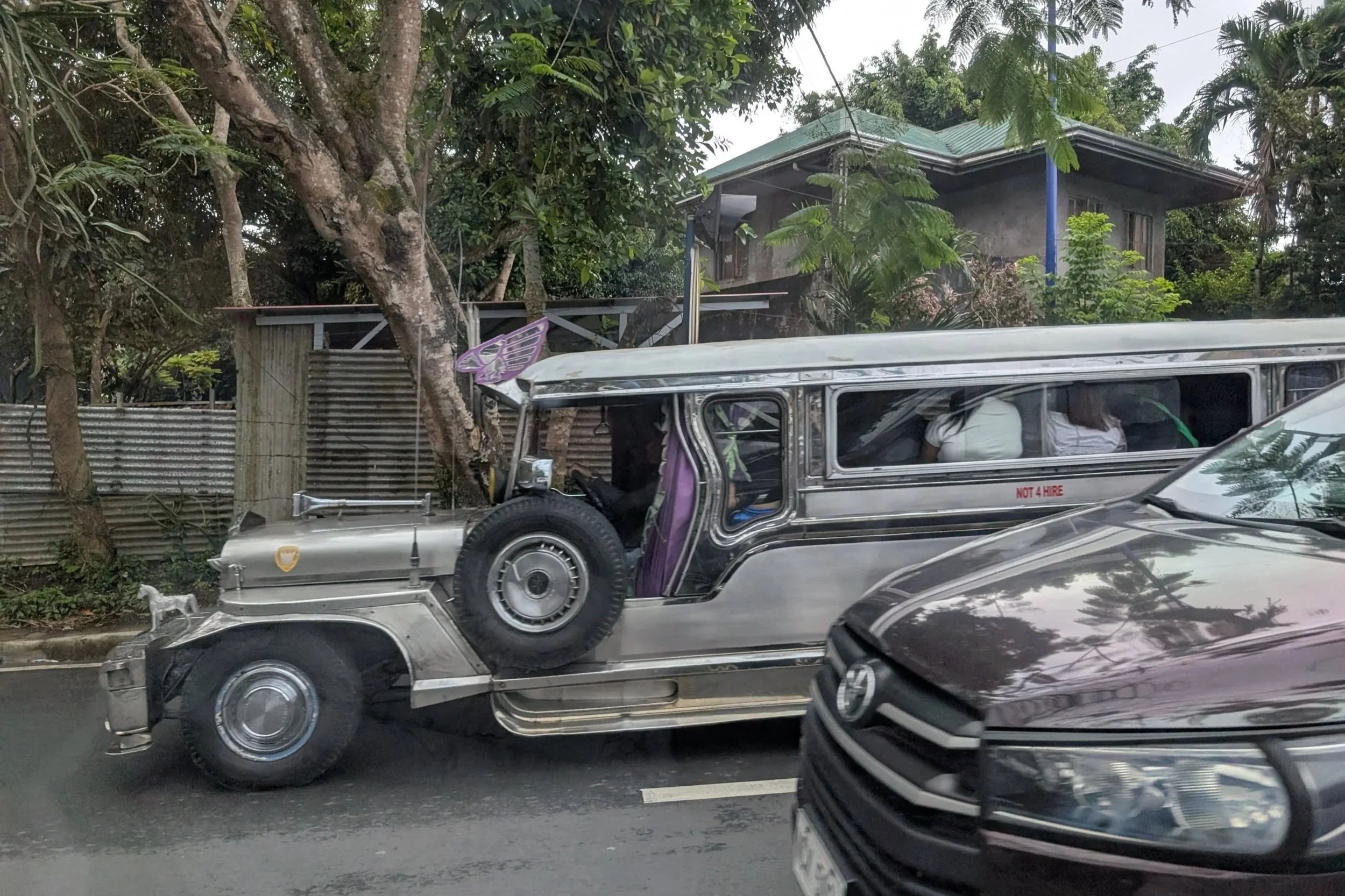
We hadn’t yet visited this country, and we were “needing” a dive trip. Nonstop flights from San Francisco made it so much easier to get there, rather than our favorite place to dive (Indonesia). Upon landing in Manila, we were driven about 2 hours south of the capital to an area in the highlands, which was cooler and less congested. Along the way, we kept seeing shiny elongated trucks acting as local buses:

They were quite fancy up front, and had a row of benches facing each other in the back -

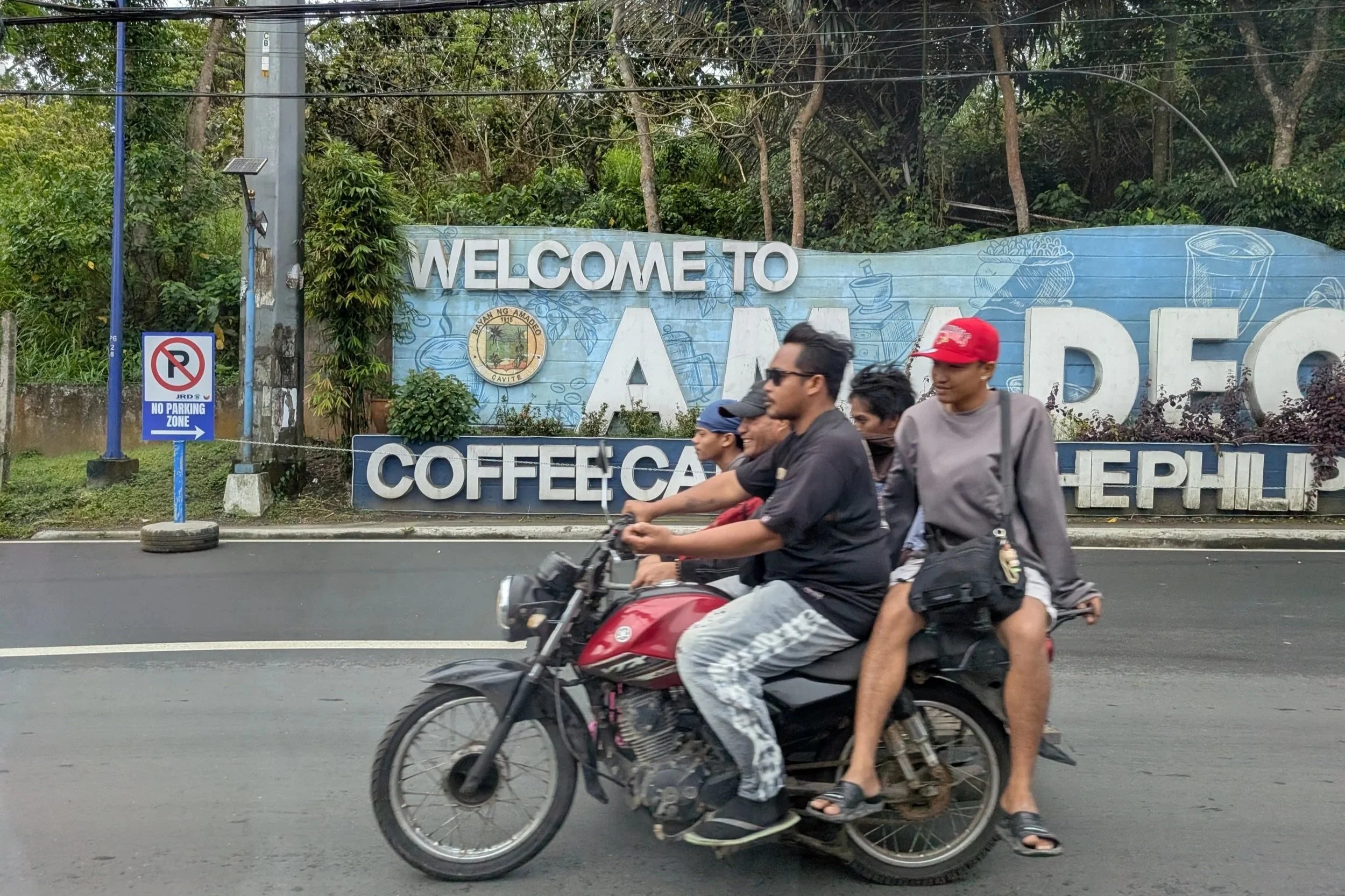
Motorcycles often had sidecars that were shiny metal, but I couldn’t ever get a good shot of one of them. Here’s a motorcycle with a sidecar hidden from view, but you can easily see all the passengers -

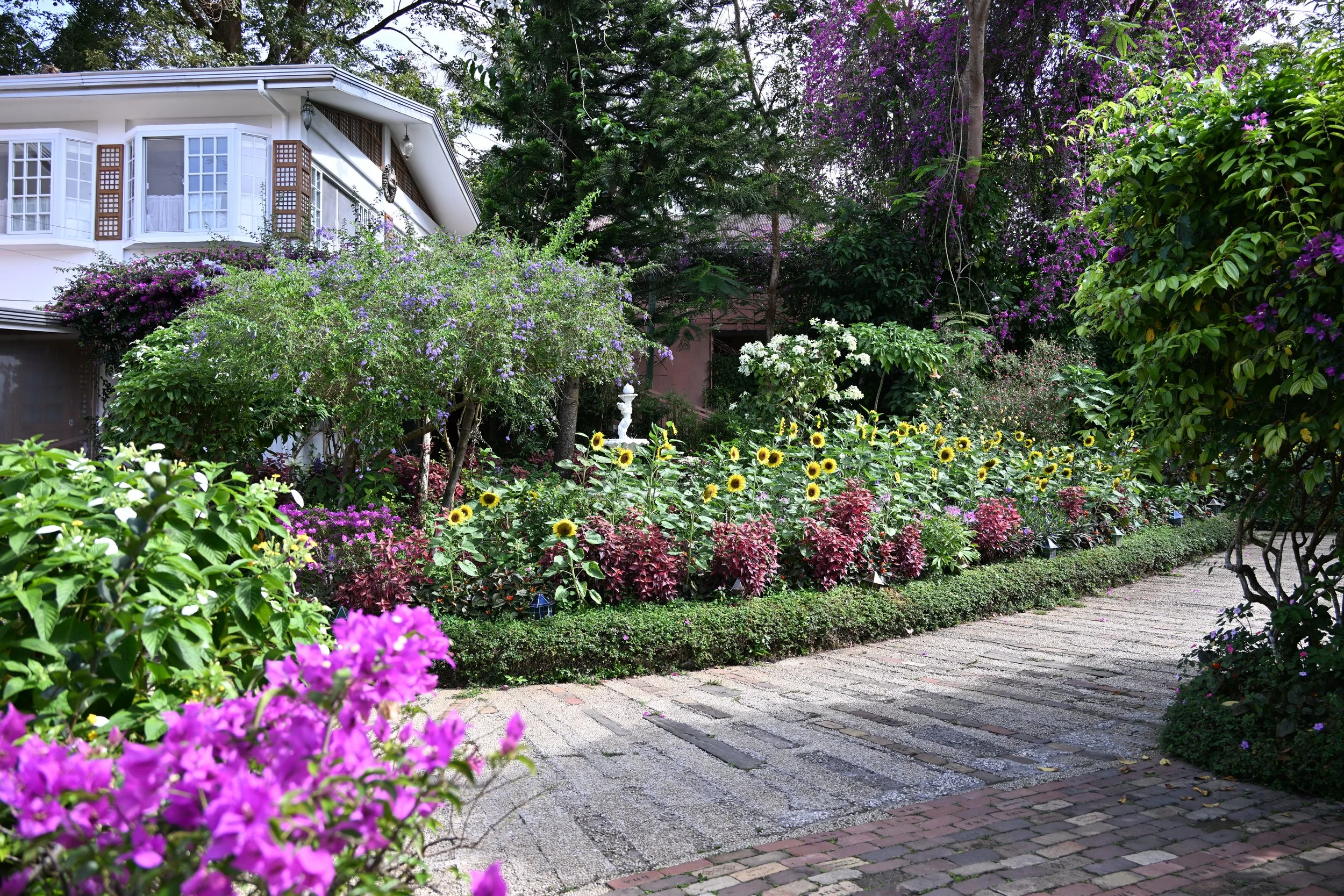
We were on the island of Luzon, which is the largest and most populous. Our stay was near Tagaytay City, in the municipality of Alfonso, which billed itself as the wedding capital of the Philippines. We certainly could understand the draw of the cooler and drier weather as a getaway from sweltering Manila. A lush, garden filled B&B offered the perfect place to relax for a few days…

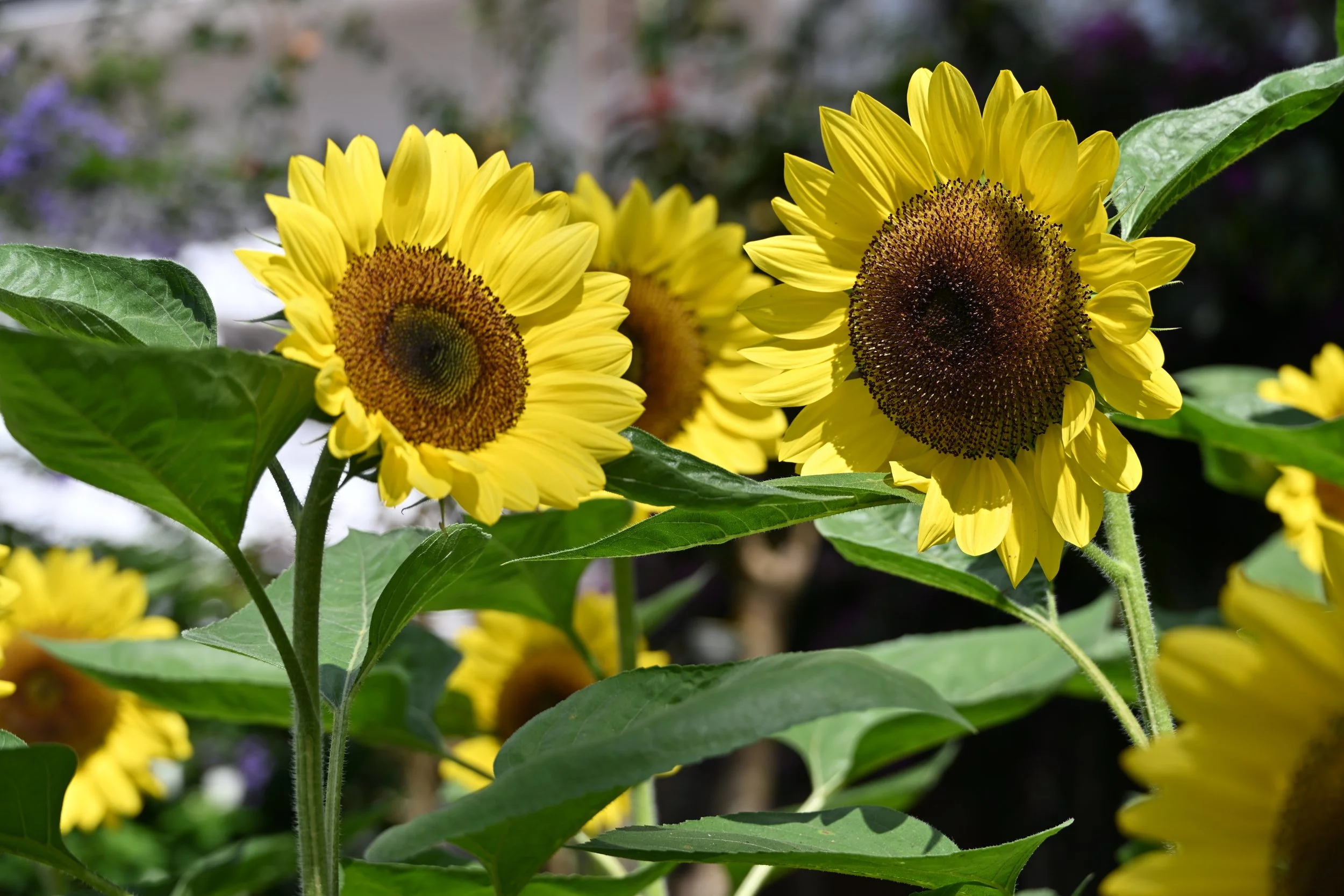
… and smell the roses sunflowers -

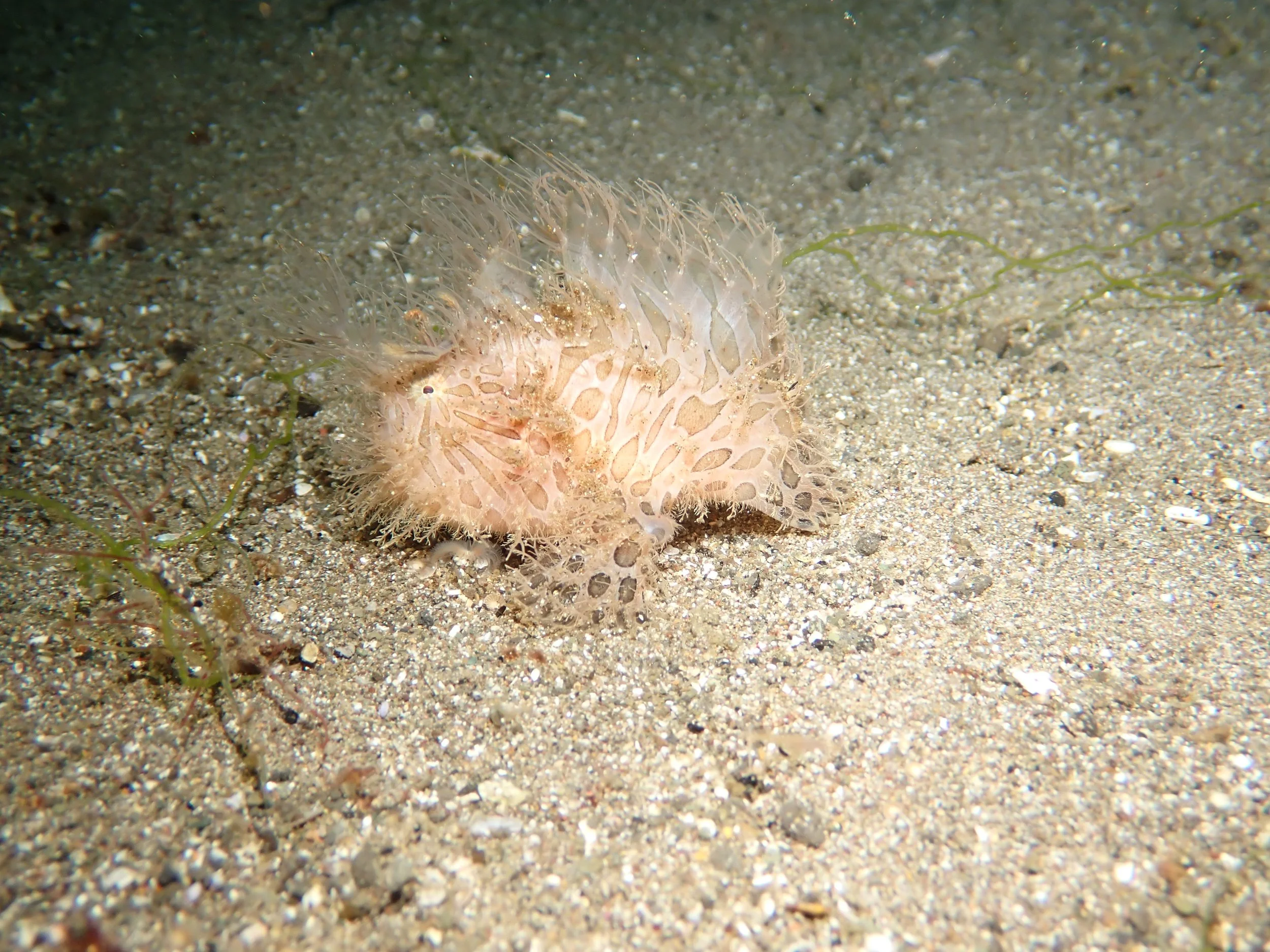
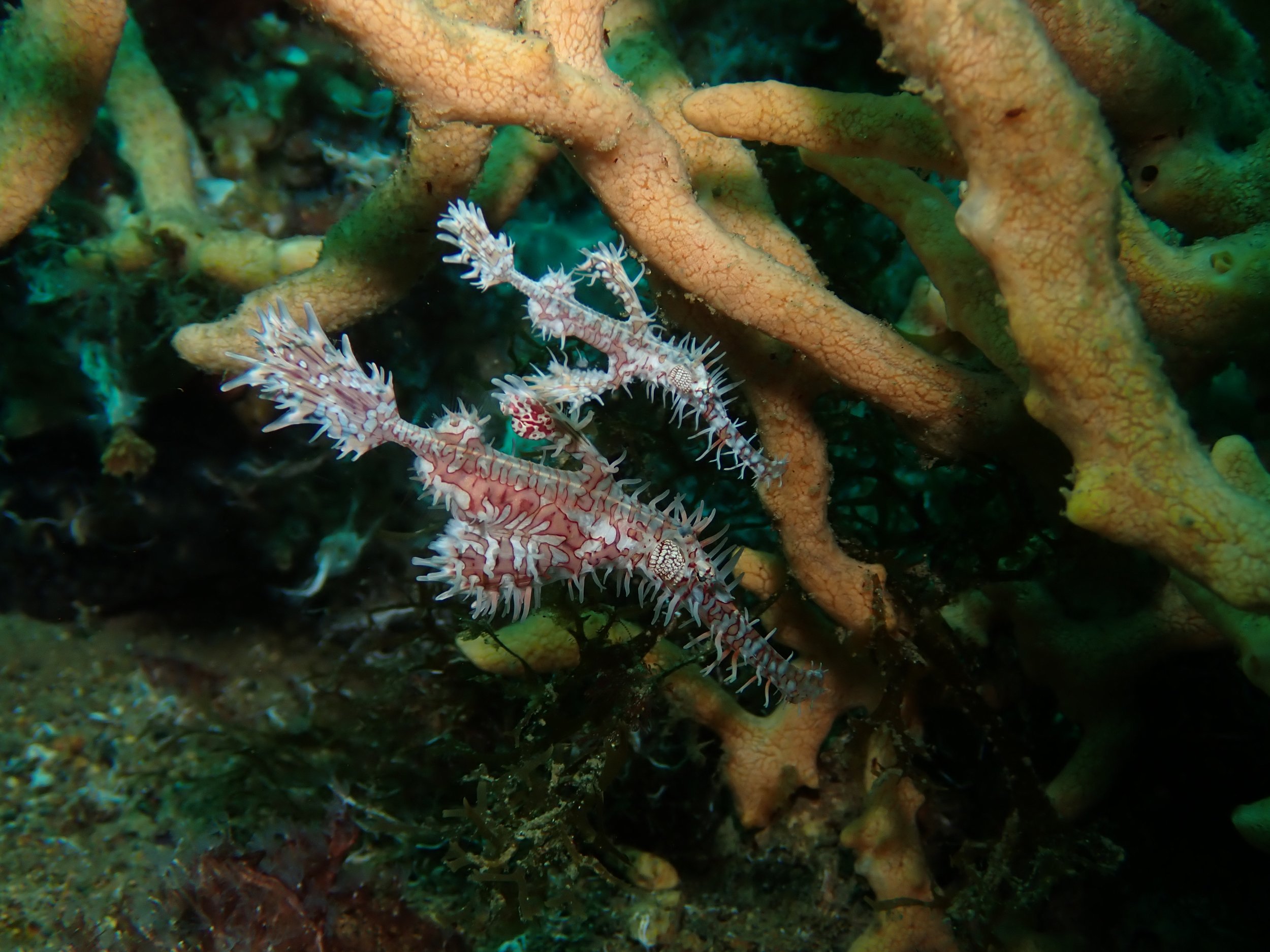
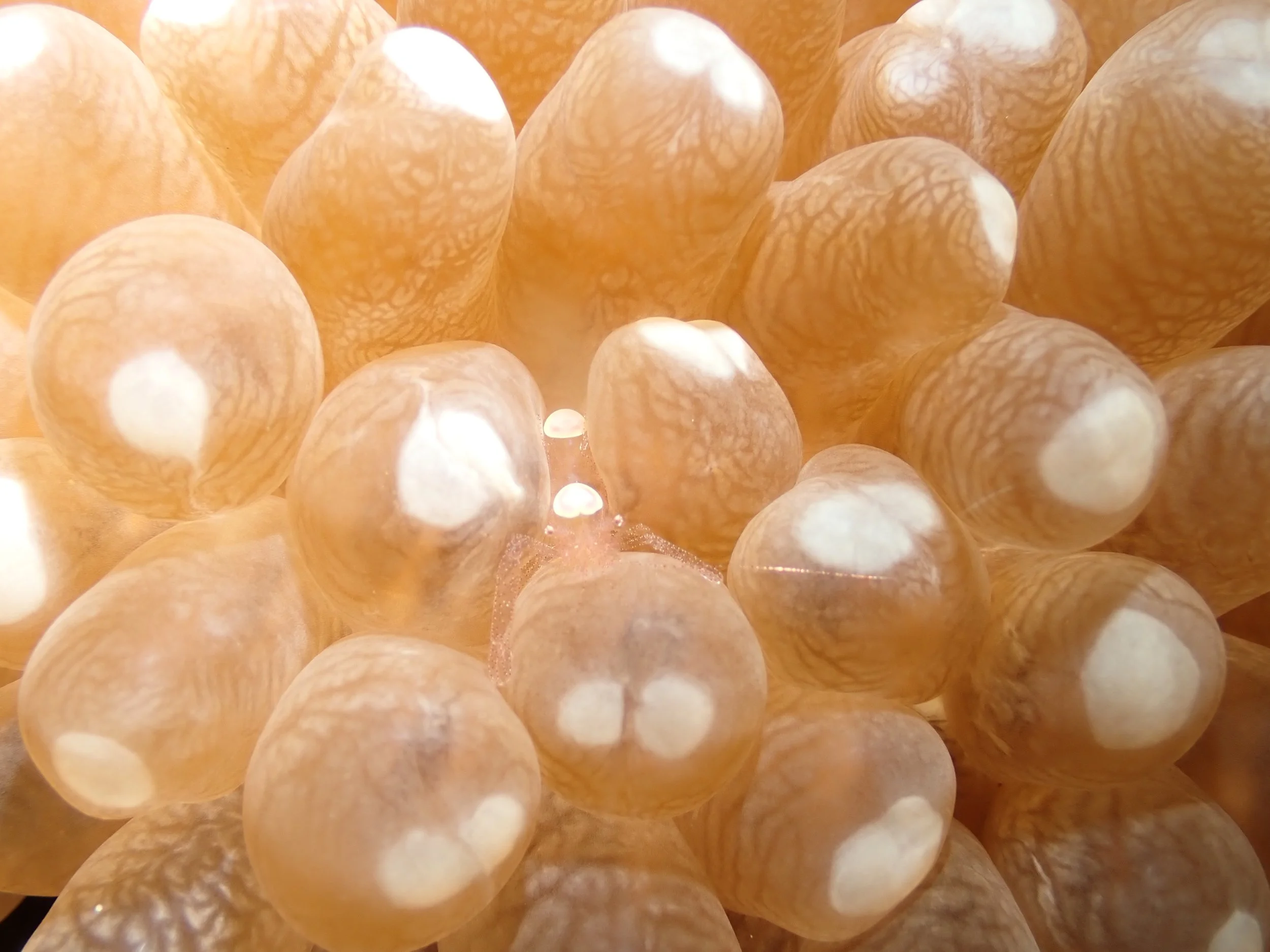
Our next stop was on the southern tip of Luzon, for our first diving adventure. The area near Anilao is known for weird…

Hairy Frogfish

… wonderful…

Ornate Ghost Pipefish

… and tiny -

look closely in the center to find the Anemone Shrimp

That Hairy Frogfish gave us quite the performance with his lure (video alert: be sure to have this post opened in your browser to see the video, or tap the link at the bottom of the email) -

I did an absolute happy dance underwater when we found the Ornate Ghost Pipefish pair (pictured above)! I never thought I’d see one, and then I (my little old self) found another pair (by accident) as I was filming a Crinoid waving its arms -

Did you see the small male at the top of the picture?

This is what the first pair looked like on video -

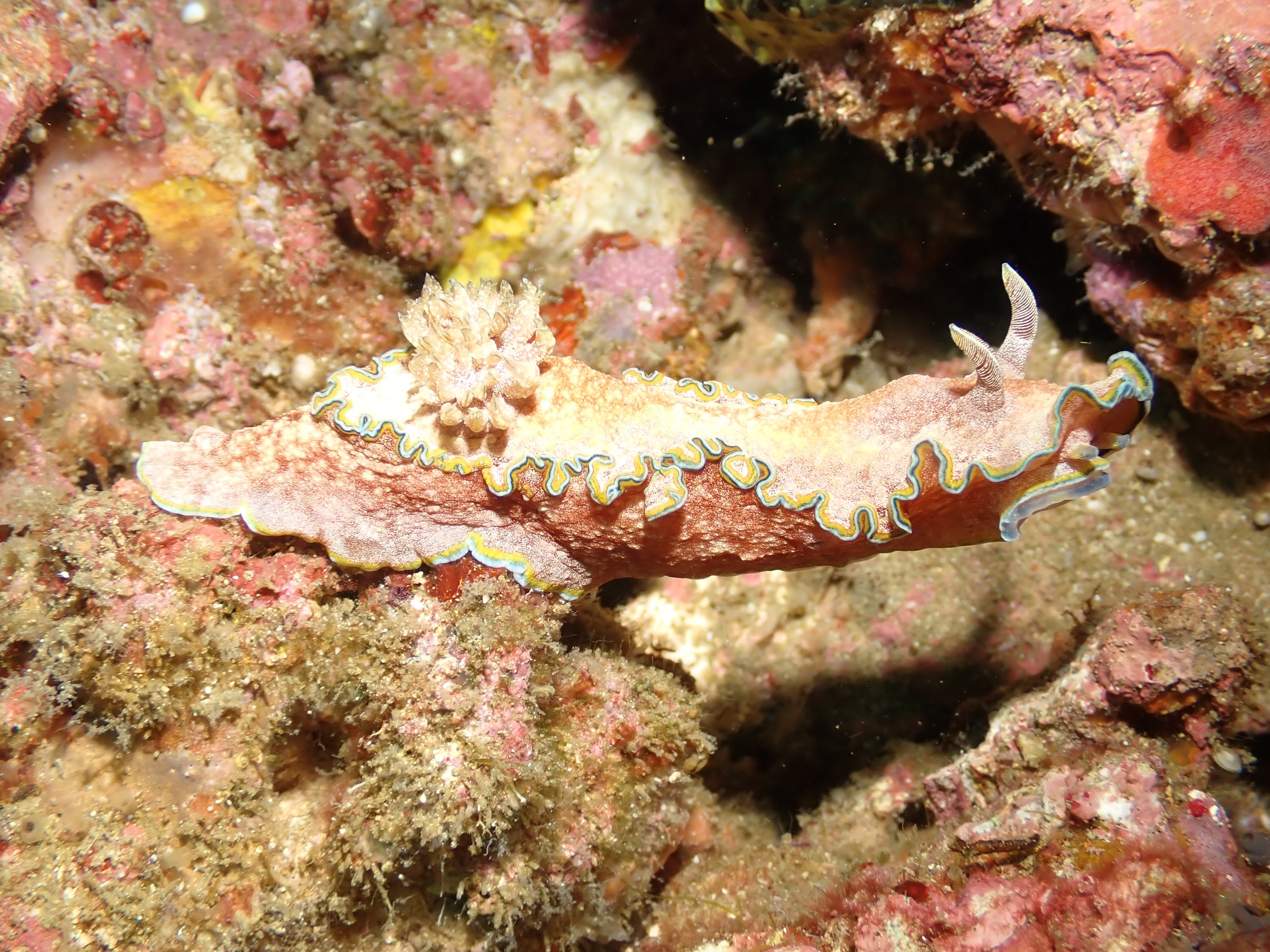
Nudibranchs are often referred to a “sea slugs”, but they are some of the most beautiful and varied slugs on earth (or I guess I should say underwater). The name means “naked gills”, and you’ll commonly see their breathing gills fluttering on their backs -

I was completely blown away by their variety in colors…

This one was at least 4-5 inches long and quite thick

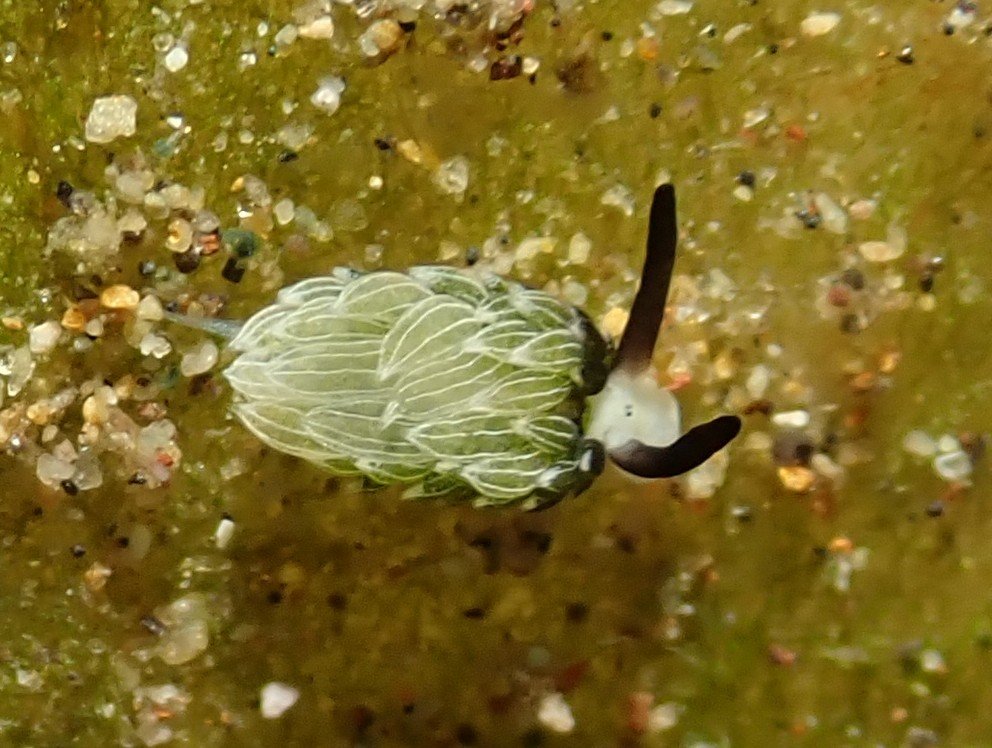
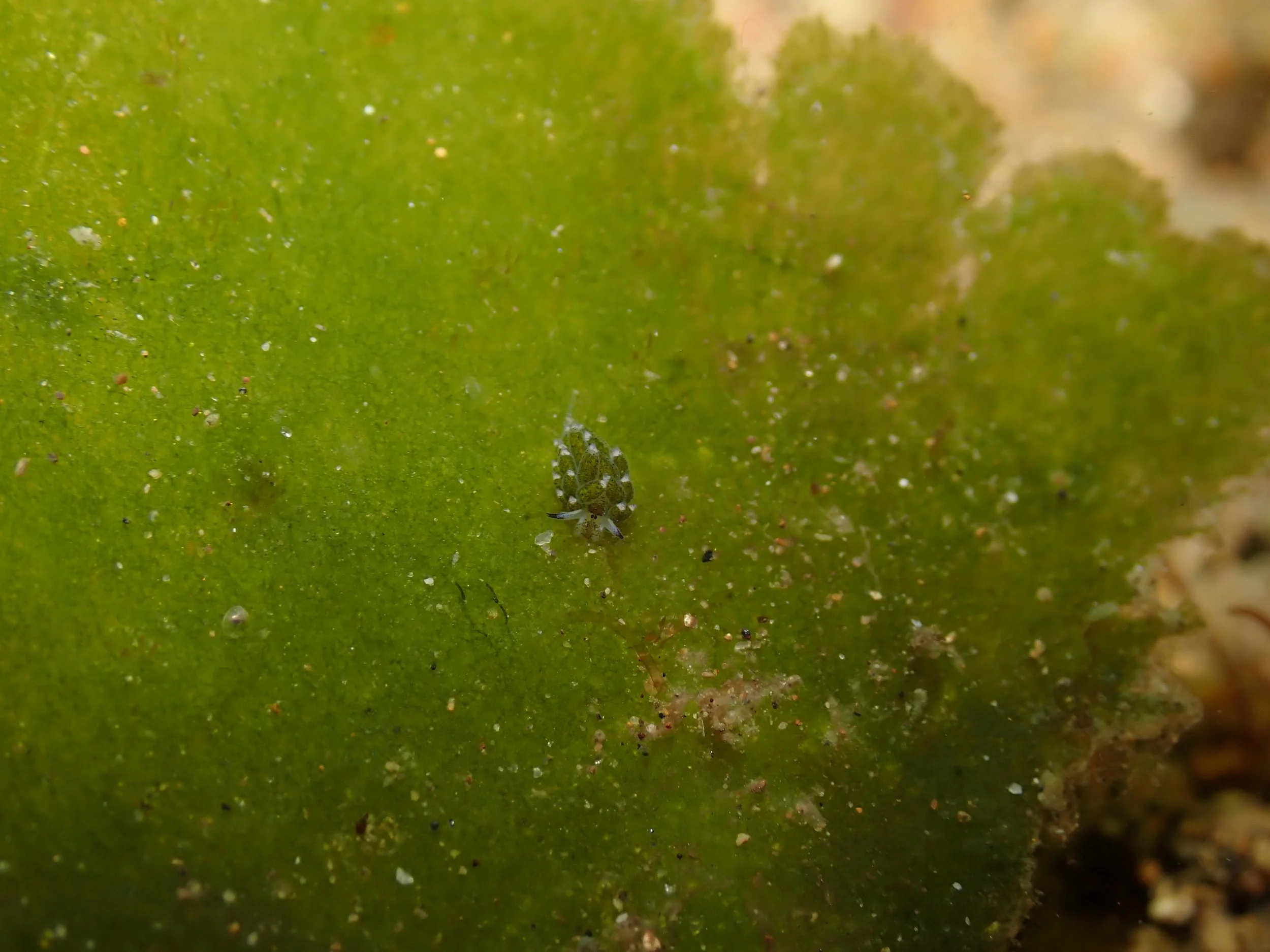
… and sizes. Check out Shawn the Sheep, only about 0.5 inches -

This is what we saw on the leaf -

be sure to enlarge it to see the amazing detail

The guides had amazing eagle eyes.

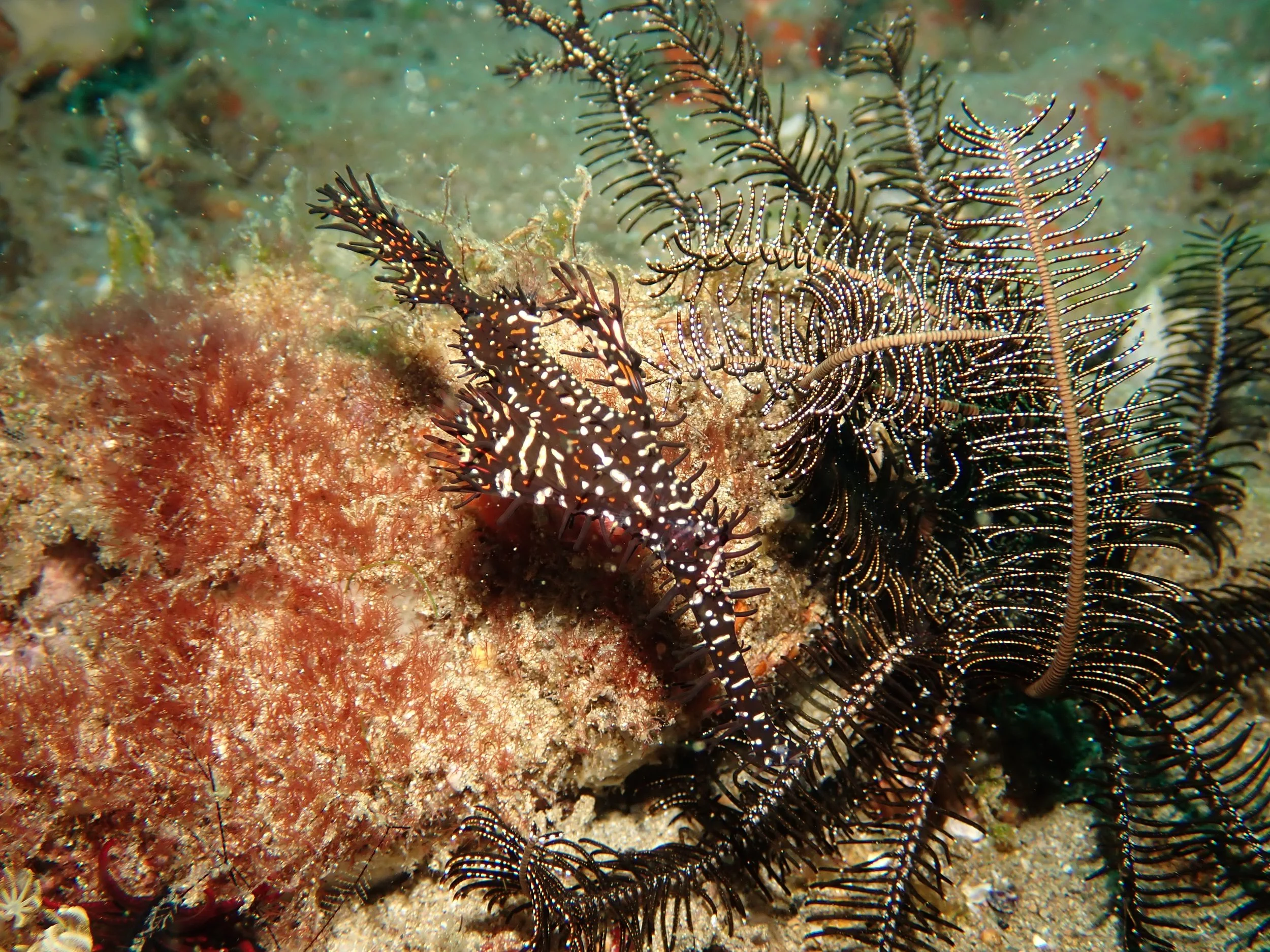
This Robust Ghost Pipefish definitely resembled the plant life near it -

That’s all for now. I’ll be seeing you…

Fangblenny